
Your air conditioner vibrating usually means something is not quite right inside the unit. This shaking or buzzing can come from various parts and might signal simple issues or more serious problems needing quick attention.
Air conditioners work by moving air and a special liquid called refrigerant. They have fans to move air and a compressor to pump the refrigerant. If any part of this system gets out of balance, becomes loose, or wears down, it can cause vibrations. Sometimes it’s just a small sound, but other times it’s a loud shaking that you can feel. Finding out why your AC is vibrating helps you fix it and keep your home cool.
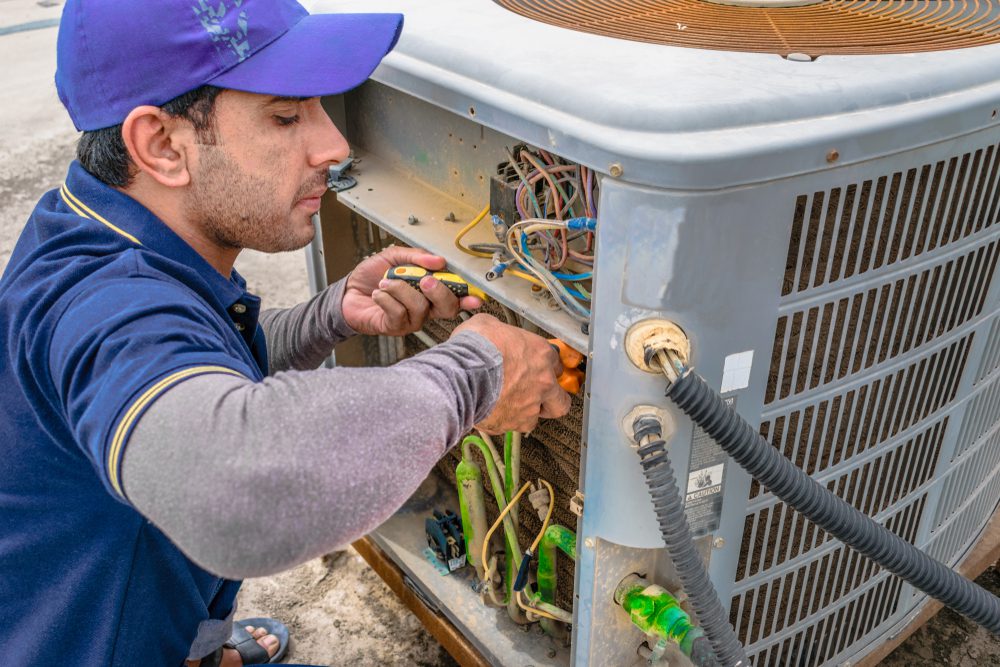
Image Source: sansone-ac.com
Figuring Out the Source of Vibration
The first step is to find out where the vibration is coming from. Is it the outdoor unit? Is it a window unit? Is it the indoor part of a central AC system? Or maybe it’s coming from a specific part you can see or hear?
The type of vibration can also tell you something. Is it a low hum, a loud shaking, a rattling sound, or a high-pitched buzz? Different sounds often point to different problems.
Here are some common reasons why an air conditioner might vibrate:
- Loose Parts: Screws, panels, or other components can become loose over time.
- Fan Problems: Issues with the fan blades or the motor that spins the fan.
- Compressor Issues: Problems with the main pump of the AC system.
- Debris: Things getting stuck inside the unit.
- Mounting Problems: How the unit is sitting or attached.
Let’s look at these common causes more closely.
Why Your AC Fan Is Shaking
The fan is a key part of your air conditioner. It moves air over coils to cool or heat it. There are fans in both indoor and outdoor units.
If you hear an AC fan vibrating or see the fan shaking, it’s often due to one of these reasons:
H4 – Unbalanced Fan Blades
Fan blades need to be perfectly balanced to spin smoothly. If a blade gets bent, cracked, or dirty, it can throw the balance off. This is like how a tire on your car feels wobbly if it’s not balanced right.
- Causes:
- Hitting something (like a stick or ice)
- Dirt and grime buildup on one side of a blade
- Blade warping from heat or age
- Effect: The uneven weight makes the fan wobble as it spins. This causes vibration and can lead to an air conditioner rattling noise.
H4 – Loose Fan Motor Mounts
The motor that spins the fan is held in place by mounts or brackets. If these mounts become loose, the motor and fan can shake around.
- Causes:
- Screws or bolts coming loose from vibration over time
- Mounts breaking or wearing out
- Effect: The motor isn’t held firmly, allowing it to move and vibrate.
H4 – Worn Fan Motor Bearings
Inside the fan motor are bearings. These small parts help the motor spin freely. If the bearings wear out, the motor can wobble or grind, causing an AC motor noise that includes vibration.
- Causes:
- Lack of lubrication
- Old age and normal wear and tear
- Effect: The motor doesn’t spin smoothly, leading to vibration and noise.
H4 – Fan Blade Hitting Something
Sometimes, something can get into the AC unit and hit the spinning fan blades. This could be a twig, leaves, or even a piece of ice.
- Causes:
- Debris falling into the outdoor unit
- Ice buildup in certain conditions
- Effect: Each time the blade hits the object, it causes a jolt and a noise, which feels like a vibration or a loud air conditioner rattling noise.
How to Check the Fan (Safety First!)
- Turn off the AC unit completely at the thermostat AND the circuit breaker. Make sure no power is going to the unit.
- Open the panel that covers the fan (usually on top of the outdoor unit or inside the indoor unit).
- Look at the fan blades. Are they straight? Do they look clean? Is there anything stuck in them?
- Try gently wiggling the fan motor. Does it feel loose on its mounts?
- Spin the fan by hand (carefully!). Does it spin smoothly, or does it wobble? Do you hear grinding sounds?
If you find loose parts or debris, you might be able to fix vibrating AC issues yourself. If the blades are bent or the motor bearings seem bad, you may need a technician.
Decoding Compressor Vibrations
The compressor is like the heart of your air conditioner. It’s a pump that pushes the refrigerant through the system. It’s a heavy, powerful component, and it naturally vibrates a little when it runs.
However, if the compressor vibrating seems excessive, louder than usual, or different, it can mean a problem.
H4 – Loose Mounting Bolts
The compressor sits on mounts, usually made of rubber or springs, inside the outdoor unit. These mounts absorb some of the normal vibration. If the bolts holding the compressor down come loose, the compressor can move around more than it should.
- Causes:
- Vibration over time loosening fasteners
- Mounts degrading or breaking
- Effect: The compressor’s normal vibration isn’t absorbed, leading to louder noise and noticeable air conditioner shaking.
H4 – Failing Internal Parts
Inside the compressor are moving parts. Like any mechanical part, they can wear out. If the internal components start to fail, it can cause the compressor to run roughly and vibrate excessively.
- Causes:
- Lack of proper lubrication within the sealed unit
- Electrical issues affecting motor performance
- Old age and wear
- Effect: The compressor makes grinding or knocking sounds and vibrates strongly. This is a serious issue, and you should turn off the AC immediately.
H4 – Refrigerant Issues
Incorrect levels of refrigerant (the cooling liquid) can also stress the compressor. If there’s too much or too little refrigerant, the compressor has to work harder or might not run smoothly.
- Causes:
- Overcharging or undercharging the system with refrigerant
- Refrigerant leaks
- Effect: This can cause the compressor to run hot, cycle on and off rapidly, and vibrate abnormally.
H4 – Electrical Problems
Issues with the electrical supply to the compressor, such as a failing capacitor (a part that helps the motor start), can cause it to struggle to start or run unevenly.
- Causes:
- Faulty run capacitor
- Wiring issues
- Effect: The compressor may make a loud hum or click and vibrate significantly when trying to start or while running poorly.
Compressor issues are often complex and require a trained technician. Do not attempt to open or repair the compressor itself, as it contains high-pressure refrigerant and electrical components. If you suspect the compressor vibrating is the source of your AC’s problem, call a professional.
Locating Loose AC Parts
Beyond the fan and compressor, many other parts in an air conditioner can become loose. These often cause an air conditioner rattling noise rather than a deep vibration, but shaking can also happen.
H4 – Loose Panels or Covers
The outer shell of the AC unit is made of panels and covers. These protect the internal parts and help direct airflow. If the screws or fasteners holding these panels come loose, the panels can rattle or vibrate against the frame.
- Location: Especially common on outdoor AC unit vibrating or window units.
- Fix: Inspect the unit’s exterior. Look for loose screws or panels that don’t sit flush. Tighten screws carefully. Do not overtighten, as you could strip the screw hole.
H4 – Loose Screws or Bolts Inside
Inside the unit, various components are held in place by screws, nuts, and bolts. This includes motor mounts (as mentioned earlier), control panels, wiring harnesses, and even the coils.
- Fix: With the power OFF, visually inspect inside the unit. Gently test components to see if they are securely fastened. Tighten any loose fasteners you find. Be careful not to touch electrical components unless you are trained.
H4 – Loose Fan Shroud or Grille
The fan shroud (a housing around the fan) or the protective grille on top of the outdoor unit or the front of a window unit can become loose.
- Effect: These parts can rattle or vibrate, especially when the fan is running.
- Fix: Check that the shroud and grille are properly attached and that their fasteners are tight.
H4 – Loose Piping or Tubing
The refrigerant flows through copper pipes and tubing. These pipes are usually secured to the unit’s frame with clamps or hangers. If these supports come loose, the pipes can vibrate as the refrigerant flows through them, or they might rattle against other parts.
- Effect: Can cause vibration or a knocking/rattling sound.
- Fix: Visually inspect the pipes. Are the clamps holding them tight? Are the pipes touching anything they shouldn’t be? Secure loose clamps. Be very careful not to bend or damage the refrigerant lines.
Identifying Loose AC parts is often the easiest vibration issue to find and fix yourself. A simple visual inspection and tightening screws can sometimes solve the problem. This is a good part of routine air conditioner maintenance noise checks.
Why Your Specific Unit Is Vibrating
Different types of AC units have specific potential vibration sources due to their design and location.
H3 – Why Your Outdoor AC Unit Is Vibrating
The outdoor AC unit vibrating is very common. It contains the compressor, the outdoor coil, and a large fan.
- Fan Problems: As discussed, the large fan is a frequent culprit. Bent blades, loose mounts, or debris are common issues.
- Compressor Issues: The compressor lives in the outdoor unit and is a major source of potential vibration if faulty.
- Loose Panels: The outer shell can rattle.
- Uneven Ground or Pad: The outdoor unit sits on a pad or concrete slab. If this pad is uneven or has settled, the unit might not sit level. This can cause the unit to vibrate against the pad or put stress on components inside, leading to vibration.
- Fix: Check if the pad is level. You might need to lift the unit slightly and level the pad underneath. This can be heavy work and may require help.
- Debris Under or Around Unit: Stones, leaves, or other debris under the unit can cause it to vibrate against them.
- Fix: Turn off the unit and clear away any debris from the base and sides.
H3 – Why Your Window AC Is Vibrating
A window AC vibrating can be particularly annoying because the unit is right there in your living space.
- Improper Installation: Window units need to be installed securely and level in the window frame. If not properly supported or tilted slightly for drainage, they can vibrate excessively against the frame or sash.
- Fix: Check the installation kit. Are all brackets and supports used correctly? Is the unit firmly secured? Is it level or slightly tilted downwards towards the outside? Adjust the installation if needed.
- Loose Casing or Grille: The plastic casing and front grille can rattle.
- Fix: Check that the casing is snapped together correctly and the front grille is securely attached. Sometimes adding a small piece of foam tape between rattling surfaces can help.
- Fan Hitting Ice or Debris: Ice can build up on the coils in certain conditions (like low refrigerant or very high humidity with low fan speed). The fan can hit this ice. Debris like curtains or small objects can also get pulled into the front grille and hit the fan.
- Fix: If ice is present, turn off the AC and let it thaw completely. Check for and remove any debris near the fan or grille.
- Internal Parts Loose: Screws or mounts inside the compact unit can become loose.
- Fix: With the unit unplugged, carefully remove the outer casing to inspect internal components for looseness. Be very careful as parts are packed tightly.
H3 – Vibration in Central AC (Indoor Unit or Ducts)
Less common, but indoor components of a central AC system can also vibrate.
- Air Handler Fan (Blower) Issues: Similar to the outdoor fan, the large blower fan in the indoor unit (air handler) can become unbalanced by dirt buildup or have loose motor mounts. This causes vibration that travels through the unit and possibly the ductwork.
- Loose Ductwork: The sheet metal ducts that carry air can sometimes vibrate if they are not properly secured or if airflow is restricted, causing pressure changes.
- Furnace or Air Handler Panel: Like outdoor units, the panels on the indoor unit can become loose and rattle.
- Filter Grill: The grill where the air filter is located can sometimes vibrate if not seated correctly or if airflow is high.
Air conditioner shaking indoors often points to issues with the blower fan or the duct system.
Addressing Air Conditioner Maintenance Noise
Regular air conditioner maintenance noise checks and general upkeep can prevent many vibration issues or help you catch them early.
H4 – Why Maintenance Helps Prevent Vibration
- Cleaning: Keeping coils, fans, and filters clean prevents dirt buildup that can cause imbalance (in fans) or stress components (like compressors).
- Inspections: Technicians check for loose parts, wear and tear, and proper operation of components like the compressor and fan motor.
- Lubrication: Some motors and parts require lubrication. Proper lubrication prevents wear that leads to vibration.
- Checking Refrigerant Levels: Ensuring correct refrigerant levels prevents the compressor from being stressed.
- Securing Components: Technicians make sure all panels and internal parts are securely fastened.
Think of maintenance as a check-up for your AC. It keeps everything running smoothly and quietly.
H4 – DIY Maintenance Steps to Reduce Vibration Risk
While a professional check is best, you can do some things yourself:
- Clean or Replace Filters: A clogged filter makes the blower work harder, which can cause noise and potentially vibration.
- Keep Outdoor Unit Clean: Remove leaves, grass clippings, and debris from around the outdoor unit. Make sure the fins are clean (you can gently rinse them with a hose, but avoid spraying electrical parts).
- Check Panels and Grilles: Periodically walk around your outdoor unit and check your window unit or indoor air handler panels. Are screws tight? Are covers secure?
- Listen: Pay attention to your AC’s normal sounds. If you hear new noises like air conditioner rattling noise, abnormal shaking, or a strange AC motor noise, investigate or call a professional.
Fixing Vibrating AC: What You Can Do
When you encounter a vibrating AC, here’s a general approach to fix vibrating AC problems:
H4 – Step-by-Step Troubleshooting
- Turn Off Power: Safety first! Switch off the AC at the thermostat AND the breaker box.
- Listen and Locate: Try to pinpoint where the sound is coming from (outdoor unit, window unit, indoor unit, specific part).
- Visual Inspection (External): Check the outer panels, grilles, and how the unit is sitting. Look for obvious looseness or debris.
- Visual Inspection (Internal – If Safe): If you are comfortable and have turned off power, carefully open panels to look inside. Check for loose wires, screws, debris near the fan, or obvious damage.
- Check for Loose Parts: Gently jiggle components like the fan motor, panels, or piping (away from electrical parts). Tighten any loose fasteners carefully. Do not overtighten.
- Clear Debris: Remove any leaves, sticks, or other foreign objects you find inside or under the unit.
- Check Fan Blades: With power OFF, gently inspect the fan blades for bends or dirt buildup. Clean them carefully if needed. Do not try to straighten bent metal blades yourself; you could break them.
- Check Mounting: For outdoor units, is the pad level? For window units, is it securely installed and supported?
- Restore Power and Test: Once you’ve checked and tightened what you safely can, close everything up, restore power, and turn the AC back on. Is the vibration gone or reduced?
H4 – When to Call a Professional
Some vibration issues are too complex or dangerous to fix yourself. Always call a qualified HVAC technician if:
- The vibration seems to be coming from the compressor.
- You suspect refrigerant issues.
- The fan blades are bent or broken (replacing them requires skill).
- The motor itself seems faulty (worn bearings, etc.).
- You see or smell signs of electrical problems (burnt wires, melting plastic).
- You are not comfortable opening the unit or working near electrical components.
- The problem persists after you’ve checked for simple loose parts and debris.
A professional has the tools, knowledge, and safety training to diagnose and repair complex AC problems, including those causing air conditioner shaking. They can correctly identify issues like AC motor noise from failing bearings or properly address loose AC parts in hard-to-reach areas.
Table: Common AC Vibration Causes & What They Might Sound Like
| Cause | Possible Sound/Feel | Location | DIY Check/Fix | When to Call Pro |
|---|---|---|---|---|
| Loose Panels/Grilles | Rattling, buzzing | Outdoor, Window, Indoor | Visually check, tighten screws. | If fasteners are stripped. |
| Unbalanced Fan Blades | Shaking, wobbling, rattling | Outdoor, Window, Indoor | Inspect blades, clean debris. | If blades are bent/broken. |
| Loose Fan Motor Mounts | Shaking, louder motor noise | Outdoor, Window, Indoor | Check motor mounting bolts. | If mounts are broken. |
| Worn Fan Motor Bearings | Grinding, whining (AC motor noise) | Outdoor, Window, Indoor | Listen closely to motor. | Always – needs motor repair/replacement. |
| Debris in Fan | Clicking, rattling, thumping | Outdoor, Window | Power off, remove debris. | If debris is stuck hard. |
| Loose Compressor Mounts | Louder hum, shaking (Compressor vibrating) | Outdoor | Check mounting bolts (carefully). | Always – high voltage/pressure. |
| Failing Compressor | Loud knocking, grinding, strong shaking (Compressor vibrating) | Outdoor | Listen and observe. | Immediately turn off, call pro. |
| Uneven Base/Mounting | Overall unit shaking | Outdoor, Window | Check level, adjust support. | If unit is heavy or needs lifting. |
| Loose Internal Parts | Rattling, slight vibration | Outdoor, Window, Indoor | Power off, check for loose parts. | If parts are hard to access/identify. |
| Loose Piping | Rattling, knocking | Outdoor, Indoor | Check pipe clamps/hangers. | If pipes are bent or leaking. |
| Refrigerant Issues | Compressor runs rough, cycles | Outdoor | Cannot check DIY. | Always – requires specialized tools. |
More Insights into Air Conditioner Noises
Vibration is just one type of noise your AC can make. Sometimes, what sounds like vibration is actually another noise type.
H4 – Beyond Vibration: Other AC Noises
- Clicking: Often heard when the unit starts or stops. A few clicks are normal (relays). Constant clicking might mean an electrical issue or something hitting the fan.
- Hissing or Bubbling: Can indicate a refrigerant leak or moisture issues. This isn’t usually a vibration source directly but points to a problem needing attention.
- Humming: A low hum is normal for the compressor and motors running. A loud or changing hum can mean electrical problems or a struggling motor.
- Screeching or Squealing: Often points to a motor issue, possibly bearings failing or a belt (less common in modern residential units) needing replacement. This can come with vibration.
- Popping: Can happen when plastic parts expand or contract with temperature changes, or sometimes due to ice melting.
An air conditioner rattling noise is frequently linked to vibration, usually from loose panels or debris being hit by a fan. AC motor noise, especially if it includes grinding or whining, often signals a problem that causes vibration as the motor struggles.
Paying close attention to when you hear the vibration (only on start-up, constantly, only when the fan is on, etc.) and what it sounds like can help diagnose the root cause.
Preventing Future Vibrations
Once you’ve fixed the current vibration, taking steps to prevent it from coming back is smart.
- Schedule Regular Professional Maintenance: Having an HVAC technician inspect your unit yearly (or even twice a year) is the best way to catch small issues like loose parts, worn bearings, or potential compressor problems before they cause noticeable vibration or failure. This is proactive air conditioner maintenance noise prevention.
- Keep the Unit Clean: Regularly clean the area around the outdoor unit. Rinse the outdoor coil fins gently. Change indoor air filters on time. Clean window unit filters.
- Ensure Proper Installation: If installing a new unit or reinstalling a window unit, make sure it’s done correctly, securely, and on a level surface (for outdoor units) or with proper support (for window units).
- Check Fasteners Periodically: During your own cleaning or filter changes, take a moment (with power off!) to visually inspect accessible panels and parts for any obvious looseness.
By being proactive with cleaning and maintenance, you can help ensure your AC runs smoothly and quietly for years to come, avoiding that annoying air conditioner shaking.
Wrapping Up
Finding out why is my air conditioner vibrating can range from a simple fix like tightening a screw to a major repair like replacing a compressor. While some causes, like loose panels or debris, can often be addressed safely by a homeowner after turning off the power, more complex issues involving the compressor, motors, or refrigerant require the expertise of a trained HVAC professional.
Ignoring a vibrating AC is never a good idea. Vibration is often a symptom that something is working harder than it should or wearing out. Leaving it unfixed can lead to increased wear and tear on other components, higher energy bills, or even complete system breakdown.
By understanding the common causes – from an AC fan vibrating due to unbalanced blades, to a compressor vibrating from internal problems, to a simple air conditioner rattling noise from loose AC parts – you can better determine the next steps, whether it’s a simple DIY fix or calling in help. Regular air conditioner maintenance noise checks are key to keeping your system running quietly and efficiently. Don’t let that air conditioner shaking go unchecked!
Frequently Asked Questions (FAQ)
H4 – Is a little AC vibration normal?
Yes, some low-level vibration is normal, especially in the outdoor unit when the compressor and fan are running. These are mechanical parts that move. However, excessive vibration, sudden new vibration, or vibration accompanied by loud noises like grinding, rattling, or shaking is not normal and should be investigated.
H4 – Can I use foam or rubber pads to stop outdoor unit vibration?
Vibration pads can help reduce the transmission of normal AC vibration to the ground or structure, potentially making it sound quieter. However, they will not fix the root cause of excessive vibration if it’s due to a faulty part like an unbalanced fan or failing compressor. Address the cause first, then consider pads if residual normal vibration is bothersome.
H4 – My AC vibrates mostly when it starts up, then calms down. What does that mean?
This can sometimes point to an issue with the starting components, like a weak run capacitor, especially if the vibration is accompanied by a loud hum or struggle to start. It could also be the system briefly stabilizing as pressure builds. If it’s a new or worsening issue, have it checked.
H4 – How much does it cost to fix an AC vibration?
The cost varies greatly depending on the cause. Tightening a loose panel might cost nothing if you do it yourself. Clearing debris is also usually free. Replacing a fan motor or compressor, however, can be expensive, ranging from a few hundred dollars for a motor to well over a thousand for a compressor. Getting a diagnostic from a technician will give you an accurate estimate.
H4 – Is it dangerous if my AC is vibrating?
It can be. Excessive vibration puts stress on components, potentially leading to parts breaking (like fan blades which can be dangerous) or electrical connections coming loose (risk of fire or shock). Compressor issues are also potentially dangerous due to high pressure and voltage. It’s safest to turn the unit off if the vibration is severe or sounds like internal damage and call a professional.
H4 – My AC unit is leaning, could that cause vibration?
Yes. If an outdoor unit pad has settled or cracked, causing the unit to lean significantly, it can put strain on internal components like the compressor mounts and bearings, leading to abnormal vibration. A window unit that isn’t properly supported or is leaning can also vibrate against the window frame.
H4 – Can a dirty AC coil cause vibration?
While a dirty coil doesn’t directly cause vibration, it can make components work harder. A very dirty outdoor coil restricts airflow, making the compressor run hotter and under more stress, which could potentially exacerbate existing compressor vibration issues. A frozen indoor coil (often caused by low airflow from a dirty filter or low refrigerant) can cause the fan to hit ice, leading to vibration/noise.