
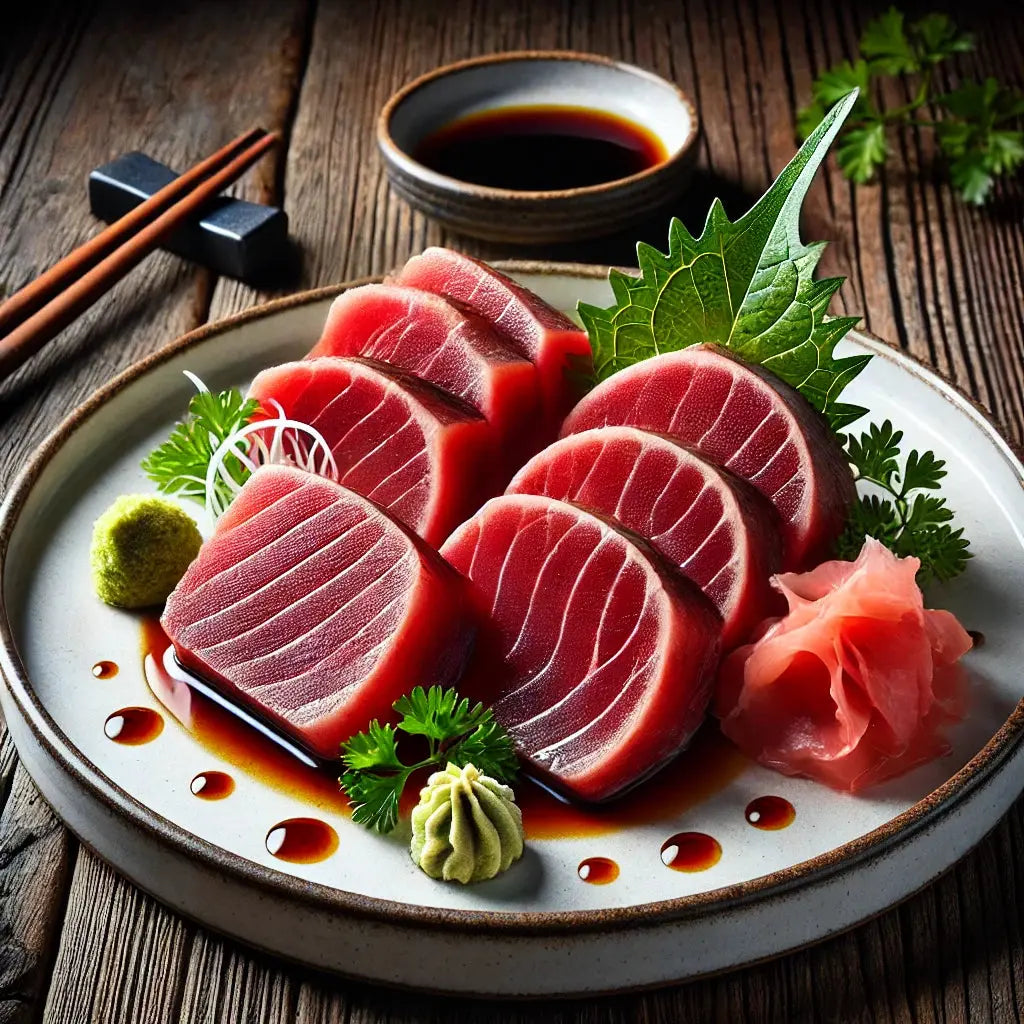
Image Source: fridge.com
Learn How Long Does Fresh Tuna Last In The Fridge Safely
So, you have some fresh tuna and wonder how long it will stay good in your fridge? Generally, raw tuna fridge life is quite short. Fresh, raw tuna is best used within 1 to 2 days when stored correctly in the coldest part of your refrigerator. Cooked tuna fridge life is a bit longer, usually lasting 3 to 4 days. Knowing how long does fresh tuna last in the fridge safely is key to enjoying its flavor and avoiding health risks. This guide will cover everything you need to know about keeping tuna fresh and safe, from how to store fresh tuna to recognizing signs of spoiled tuna.
Grasping Tuna Freshness
Tuna is a type of fish loved by many. People eat it raw in sushi or sashimi, or cooked as a steak. No matter how you eat it, freshness is very important. Fresh fish tastes better. It is also much safer to eat.
Many things can change how long fresh tuna stays good. These include:
- How fresh was it when you bought it?
- How was it handled before you got it?
- How cold is your fridge?
- How did you wrap and store it?
Fish goes bad faster than many other foods. This is because of tiny living things called bacteria. Bacteria grow well on fish. Cold temperatures slow this growth down. But even in the fridge, bacteria are still active. They slowly make the fish spoil. Knowing how long does fish last in fridge helps prevent food poisoning.
The Short Timeframe
Fresh tuna, meaning tuna that has not been cooked or frozen, has a very short fresh tuna shelf life in the fridge.
- Raw Tuna: Plan to use it within 1 to 2 days.
- Cooked Tuna: You have a little more time, 3 to 4 days.
These times are for safety and best quality. After this time, the risk of getting sick goes up. The taste and texture also get worse.
Best Ways to Store Fresh Tuna
Storing fresh tuna the right way is very important. It helps keep the fish safe to eat. It also helps keep the good taste. Storing tuna steak or any fresh tuna needs care.
Keep it Really Cold
The fridge temperature matters a lot. It should be at 40°F (4°C) or lower. Colder is better for fresh fish. Some fridges have a special drawer for meat and fish. This drawer is often the coldest spot. Store your tuna there.
Why keep it so cold? Cold temperatures slow down bacteria growth. This growth causes fish to spoil. Keeping the temperature low makes the raw tuna fridge life and cooked tuna fridge life as long as possible safely.
Wrap it Right
Air is not good for fresh fish storage. Air lets in more bacteria. It also dries out the fish. Proper wrapping is key for how to store fresh tuna.
Here is a good way to wrap fresh tuna:
- Wrap First: Wrap the tuna tightly in plastic wrap. Get rid of as much air as you can.
- Add Another Layer: Wrap the plastic-wrapped fish in aluminum foil. Or put it in a resealable plastic bag. The foil or bag adds extra protection.
- Use Ice (Optional but Recommended): Put the wrapped tuna on top of ice or ice packs in a dish or container. This keeps it even colder than the fridge air. Place this setup in the coldest part of the fridge. The dish catches melting ice water.
This method, wrapping and placing on ice, is often called the best way to store fresh tuna. It helps keep the fish very cold, close to 32°F (0°C). This temperature is ideal for slowing spoilage.
Containers Help
Using a container with a lid is also a good idea.
- Put the wrapped tuna inside a clean container.
- If using ice, put the wrapped tuna on a bed of ice in the container.
- Make sure the lid fits well.
A container helps prevent smells from spreading in your fridge. It also stops juices from leaking onto other foods. This is part of food safety tuna storage.
Quick Steps for Storing Fresh Tuna
Here are the steps for how to store fresh tuna safely:
- Get the tuna into the fridge as fast as possible after buying it.
- Keep it in its store wrapping for a short time, but rewrap it for longer storage.
- Wrap the tuna tightly in plastic wrap.
- Wrap again in foil or place in a sealed bag or container.
- Place it on ice or ice packs in a dish or container if you can.
- Put it in the coldest part of your fridge (40°F / 4°C or below).
- Use raw tuna within 1-2 days.
- Use cooked tuna within 3-4 days.
Following these steps helps keep your fresh tuna shelf life as long and safe as possible.
Interpreting Raw Tuna Fridge Life
When you buy tuna to eat raw, like for sushi or sashimi, it needs extra care. The raw tuna fridge life is very short because you are not cooking it. Cooking kills many bacteria. Eating raw fish means you need to be very careful about bacteria that might be present.
Sushi-grade or sashimi-grade tuna is usually handled with special care from the moment it is caught. This reduces the risk of harmful bacteria. However, even this type of tuna can only be stored safely for a short time in your home fridge.
- Ideal Time: Use raw tuna for sushi/sashimi on the same day you buy it if possible.
- Maximum Time: Store it for no more than 1 to 2 days in the fridge at 40°F (4°C) or below.
If you plan to cook the tuna, the 1-2 day rule still applies for storing it raw before cooking. Storing tuna steak that you will cook follows the same initial steps as storing raw tuna.
It is very important to keep raw tuna separate from other foods, especially foods that are eaten raw (like vegetables or fruits). This stops bacteria from the fish spreading to other foods. This is called preventing cross-contamination and is a key part of food safety tuna storage.
Grasping Cooked Tuna Fridge Life
Cooking tuna changes its fridge life. Cooked foods generally last longer than raw foods in the fridge. This is because the cooking process kills most of the bacteria that were on the raw fish.
After cooking tuna, you need to store it safely to prevent new bacteria from growing.
- Cool it Fast: Do not leave cooked tuna out at room temperature for long. Bacteria grow fastest between 40°F (4°C) and 140°F (60°C). This is called the “danger zone.” Cool cooked tuna quickly to get it out of this zone. Break large pieces into smaller ones to help them cool faster. Put it in the fridge within 2 hours of cooking. If the room is hot (above 90°F / 32°C), put it in the fridge within 1 hour.
- Store it Well: Put cooled cooked tuna in clean, airtight containers. This protects it from air and other foods in the fridge.
The cooked tuna fridge life is typically 3 to 4 days. After this time, you should not eat it, even if it looks and smells okay. Harmful bacteria can grow without making the food smell or look bad.
Deciphering Signs of Spoiled Tuna
Even if you store tuna correctly, you must still check it before eating, especially after a day or two. Knowing the signs of spoiled tuna is very important for safety. Never taste fish to see if it is still good.
Here are the main signs that fresh or cooked tuna has gone bad:
- Smell: Fresh tuna should smell clean, maybe a little like the ocean or metal, but not strongly “fishy.” Spoiled tuna will have a strong, bad smell. It might smell sour, like ammonia, or just generally rotten. This is the most common sign.
- Look: Fresh tuna should have a bright color. Raw tuna is often deep red or pinkish. Cooked tuna should look cooked through. Spoiled raw tuna might look dull, gray, brown, or have a slimy coating. Cooked tuna might also look dull or show slimy spots.
- Feel: Fresh tuna should feel firm and moist but not sticky or slimy. Spoiled tuna will often feel slimy or sticky on the surface.
- Texture: Raw tuna should be firm. If it feels very soft, mushy, or falls apart easily, it might be bad.
If you see or smell any of these signs of spoiled tuna, it is best to throw it away. Do not take chances with fish. Food poisoning from fish can be very serious. Always remember: When in doubt, throw it out.
Exploring Freezing Fresh Tuna
If you cannot use fresh tuna within the 1-2 day raw tuna fridge life, freezing fresh tuna is a good option to keep it safe for much longer. Freezing stops bacteria growth almost completely. It puts the fresh tuna shelf life on hold.
How to Freeze Tuna
Proper freezing helps keep the quality of the tuna good when you thaw it later.
- Start Fresh: Only freeze tuna that is very fresh. Freezing does not make bad fish good. It only stops the changes happening.
- Prepare: Cut the tuna into the sizes you will use later (steaks, chunks). This makes thawing easier.
- Wrap Tightly: Air is the enemy in the freezer too. Air causes “freezer burn.” This makes the fish dry and changes the color and taste. Wrap tuna tightly in plastic wrap first. Press out all the air.
- Add More Protection: Wrap the plastic-wrapped fish again in aluminum foil designed for freezing, freezer paper, or place it in a freezer bag. Make sure freezer bags have the air squeezed out before sealing. Using a vacuum sealer is the best way to prevent freezer burn.
- Label: Write the date on the package. This helps you know how long it has been frozen.
- Freeze Fast: Put the tuna in the coldest part of your freezer. Quick freezing helps keep the fish quality.
How Long Does Frozen Tuna Last?
In a regular freezer (0°F / -18°C), properly wrapped tuna can stay good for 3 to 6 months. Some sources say up to 9 months, but quality is best in the first few months. While technically safe for longer if frozen solid, the taste and texture can get worse over time.
Thawing Frozen Tuna Safely
Thawing tuna the right way is just as important as freezing it right.
- Best Method (Fridge): The safest way to thaw tuna is in the refrigerator. Place the frozen, wrapped tuna on a plate or in a dish to catch any drips. Let it thaw slowly in the fridge. This can take 12 to 24 hours depending on the size. Once thawed in the fridge, use the tuna within 1-2 days. Do not refreeze tuna that has been thawed in the fridge.
- Faster Method (Cold Water): For quicker thawing, put the wrapped tuna in a sealed plastic bag. Put the bag in a bowl of cold tap water. Change the water every 30 minutes. This method is faster but needs attention. Cook the tuna right after it is thawed using this method.
- Do Not Thaw at Room Temp: Never thaw frozen tuna on the kitchen counter. This puts it in the “danger zone” where bacteria grow fast.
- Microwave Thawing: You can use the microwave to thaw if you will cook the tuna right away. Use the defrost setting. Stop when the fish is still very cold and icy in the center. Then cook it immediately. Microwave thawing can sometimes start cooking parts of the fish and affect the texture.
Implementing Food Safety Tuna Storage
Food safety tuna storage is not just about how long it lasts. It is about preventing harm from bacteria. Here are key points for food safety tuna storage:
- Buy from Trusted Places: Buy fish from clean stores with good practices. The fish should be on ice or well-chilled. It should not smell bad when you buy it.
- Get it Home Fast: Use a cooler bag with ice or ice packs to bring fresh fish home from the store. Do not let it sit in a warm car. Get it into your fridge quickly. This keeps the “cold chain” strong. The cold chain is keeping food cold from where it is caught or made until you eat it.
- Prevent Cross-Contamination:
- Keep raw fish separate from other foods in your shopping cart and fridge.
- Use different cutting boards and knives for raw fish and other foods. If you cannot, wash them very well with hot, soapy water after cutting raw fish.
- Wash your hands well with soap and water before and after handling raw fish.
- Cook Properly: If you are cooking tuna, make sure it reaches a safe internal temperature. For most fish, this is 145°F (63°C). Use a food thermometer to check the thickest part. This kills harmful bacteria. (Note: Some people prefer tuna steak rare in the center, but fully cooking is safest).
- Handle Leftovers Safely: Cool cooked tuna fast and store it well in the fridge (as mentioned earlier). Reheat cooked tuna leftovers thoroughly until steaming hot.
Following these food safety tuna storage rules helps protect you and your family from illness.
More Tips for Freshness
Beyond the main rules, a few other things can help with fresh tuna shelf life:
- Avoid Washing Raw Fish: Some people wash raw fish before cooking. Experts often advise against this. Washing can spread bacteria from the fish to your sink, counter, and other surfaces (cross-contamination). Proper cooking or handling takes care of bacteria.
- Know Your Source: If you can, learn about where your tuna came from. Was it caught recently? How was it handled? This can give you an idea of its starting freshness.
- Small Amounts: Buy only what you plan to use within the safe fridge time frame (1-2 days raw, 3-4 days cooked). Buying smaller amounts more often helps ensure freshness.
Comparing Raw vs. Cooked Storage
Let’s look at the storage times side-by-side:
| Tuna Type | How to Store Safely | Fridge Shelf Life (at 40°F / 4°C or below) | Notes |
|---|---|---|---|
| Raw Tuna | Wrapped tightly in plastic and foil/bag, on ice if possible, coldest part of fridge | 1 to 2 days | Shorter time because not cooked. Extra care needed for raw consumption. |
| Cooked Tuna | Cooled quickly, in airtight container, coldest part of fridge | 3 to 4 days | Longer time because cooking kills bacteria. |
This table makes it clear why the raw tuna fridge life is shorter than the cooked tuna fridge life. It highlights the difference when storing tuna steak raw versus cooked.
Final Thoughts on Freshness and Safety
Getting how long does fresh tuna last in the fridge right is a mix of time and proper handling. The fresh tuna shelf life is short for good reasons – mainly to keep you safe from bacteria.
Always aim to use fresh tuna quickly. Follow the best way to store fresh tuna: keep it very cold (on ice if possible), wrap it tightly, and keep it separate from other foods. Be extra careful with raw tuna fridge life.
Learn to spot the signs of spoiled tuna. Your eyes and nose are good tools, but safety times are key. When the time is up, even if it looks okay, it is safer to throw it out.
If you cannot use it in time, freezing fresh tuna is a great option. Freeze it well-wrapped to keep the quality. Thaw it safely in the fridge.
By following these steps for food safety tuna storage, you can enjoy delicious tuna while keeping health risks low. Being careful with how long raw tuna fridge life and cooked tuna fridge life extend is a simple step that makes a big difference.
Frequently Asked Questions (FAQ)
Here are answers to common questions about storing tuna:
h4 Is it okay if my raw tuna smells a little fishy?
A very mild, clean smell like the ocean is normal for fresh tuna. A strong, unpleasant fishy smell, especially like ammonia, is a clear sign of spoilage. If it smells bad, do not eat it.
h4 Can I leave fresh tuna out at room temperature?
No. You should never leave fresh tuna or any raw fish out at room temperature for more than two hours (or one hour if it’s warm, above 90°F / 32°C). Bacteria multiply rapidly in this “danger zone” temperature range. Get it into the fridge or onto ice quickly.
h4 What is the difference between “sell by” and “use by” dates on fish?
“Sell by” tells the store how long to display the product for sale. You should buy it before this date. “Use by” is about quality and safety. It is the last date the food is expected to be at peak quality and safe to eat if stored properly. For fresh fish like tuna, the fresh tuna shelf life in your fridge after buying is still only 1-2 days raw, or 3-4 days cooked, regardless of the “sell by” date.
h4 Can I refreeze tuna after it has thawed?
It is generally not recommended to refreeze tuna (or any meat/fish) that has completely thawed. When food thaws, bacteria can become active again. Refreezing stops them but does not kill them. The quality (texture and taste) also gets worse each time food is frozen and thawed. If it was thawed in the fridge, you might be able to cook it and then freeze the cooked version, but it is best to avoid multiple freeze-thaw cycles.
h4 How should I store cooked tuna leftovers?
Cool cooked tuna quickly after your meal. Put it in a clean, airtight container. Store it in the coldest part of your fridge (40°F / 4°C or lower). Use it within 3 to 4 days.
h4 Does buying “sushi-grade” tuna mean I don’t need to be careful with storage times?
No. “Sushi-grade” is a term used by fish sellers. It usually means the fish was handled very carefully and quickly after being caught. It might have been frozen at very low temperatures on the boat to kill parasites. However, once it thaws and is in your fridge, it is still raw fish. The raw tuna fridge life of 1-2 days still applies for safety and best quality. Proper food safety tuna storage is still a must.
h4 What is the danger zone for fish storage?
The danger zone is the temperature range where bacteria grow fastest. It is between 40°F (4°C) and 140°F (60°C). Keep fresh tuna below 40°F and cook it to 145°F (63°C) to move it out of the danger zone quickly.
h4 Is it safe to eat raw tuna that has been in the fridge for 3 days?
No, it is not recommended. The raw tuna fridge life is typically only 1 to 2 days. After 3 days, the risk of harmful bacteria being present is too high for safe raw consumption, even if it looks and smells okay. It is best to discard it.
h4 Can I vacuum seal fresh tuna before putting it in the fridge?
Vacuum sealing can help protect tuna from air and extend its fridge life slightly by reducing exposure, but it does not replace refrigeration or change the fundamental 1-2 day rule for raw tuna safety. It is very useful for freezing fresh tuna as it prevents freezer burn effectively. For fridge storage, vacuum sealing requires extra care because some dangerous bacteria that grow without air can be a risk if temperatures are not kept strictly low. Standard tight wrapping and refrigeration is usually sufficient and safer if not handled perfectly.
h4 How does storing tuna steak differ from storing smaller pieces?
The method is largely the same: wrap tightly, keep cold, store in the coldest part of the fridge. The main difference might be cooling time if you are cooking a very thick steak. Cool cooked steaks quickly before storing. For raw steaks, the 1-2 day raw tuna fridge life still holds true.