
So, how long is white wine good in the fridge after opening? Generally, an opened bottle of white wine is best enjoyed within 3 to 5 days when stored properly in the refrigerator. Putting the opened wine in the fridge helps keep it fresh. This simple step slows down changes that make the wine taste bad. But how long it really lasts can change. It depends on things like the type of wine and how you close the bottle. We will look at all these points.
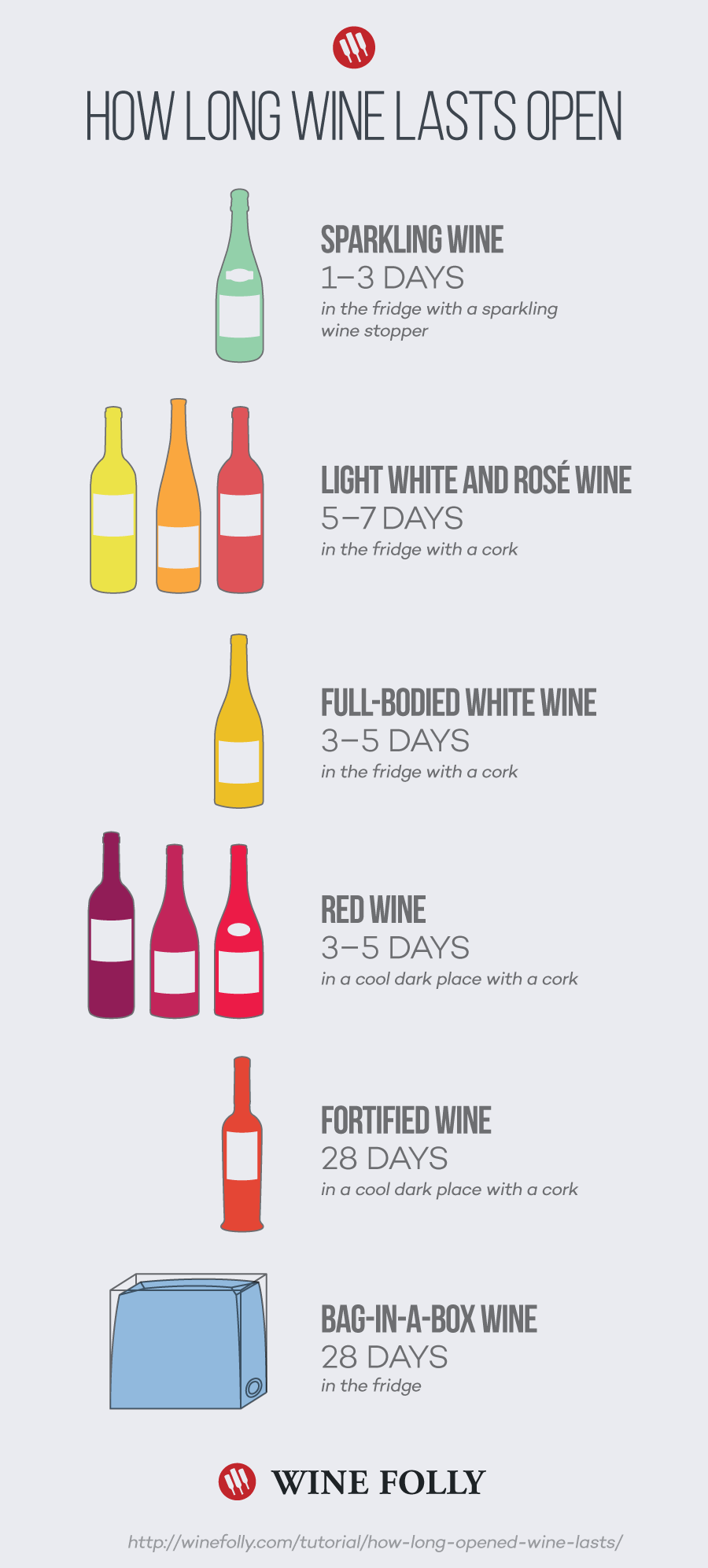
Image Source: winefolly.com
The Clock Starts Ticking
When you open a bottle of white wine, something important happens. Air gets into the bottle. This air has oxygen in it. Oxygen is what makes the wine go bad over time. It is the main enemy of open wine. Think of an apple slice. If you leave it out, it turns brown. That is oxygen doing its work. Wine changes too, but in a different way.
Oxygen starts a process called oxidation. This process changes how the wine tastes and smells. It can make the wine lose its fresh fruit flavors. It can make the wine taste flat or even like vinegar. This is why the shelf life of opened white wine is limited. The moment the seal is broken, the process begins. Keeping the wine cold in the fridge slows this process down.
Factors Changing Wine Freshness
Not all white wines last the same amount of time after opening. Some types of wine stay good longer than others. Many things affect how long open wine tastes fresh. These are called factors affecting wine freshness.
- Type of Wine: Some white wines are more fragile than others.
- Light white wines, like Pinot Grigio or Sauvignon Blanc, are often best within 3 days. They have delicate flavors. These flavors fade faster.
- Fuller-bodied white wines, like Chardonnay (especially oaked ones), might last a little longer, perhaps 3 to 5 days. Their strong flavors can handle oxygen a bit better.
- Sweet white wines, like Riesling or Moscato, often last longer, maybe 5 to 7 days. Sugar acts a little like a protector.
- Sparkling wines, like Champagne or Prosecco, lose their bubbles fast. They might only be good for 1 to 2 days. The loss of bubbles makes them taste flat. Even if they don’t taste bad, they aren’t fun to drink flat.
- How Much Wine is Left: A nearly full bottle will last longer than a bottle with just a little wine left. Why? Because there is less air in the full bottle. Less air means less oxygen. Less oxygen means slower oxidation.
- How You Close the Bottle: Putting the original cork back in is okay, but it often does not make a tight seal. Using a good wine stopper helps a lot. Special stoppers that suck air out (vacuum pumps) or add gas (inert gas preservers) work even better. We will talk more about these later.
- Temperature: This is where storing opened wine in refrigerator is very important. Cold temperatures slow down chemical reactions, including oxidation. Wine in the fridge goes bad much slower than wine left out on the counter. Refrigerating white wine after opening is the single most important step to make it last longer.
Table: Typical Shelf Life in Fridge
Here is a simple table showing how long different white wines usually last in the fridge after opening. Remember, this is just a general guide.
| Type of White Wine | Typical Fridge Life After Opening |
|---|---|
| Light & Dry (Pinot Grigio, Sauvignon Blanc) | 3 days |
| Medium to Full-Bodied (Chardonnay, Viognier) | 3 to 5 days |
| Sweet (Riesling, Moscato) | 5 to 7 days |
| Sparkling (Champagne, Prosecco) | 1 to 2 days (loses bubbles fast) |
This table gives you a quick idea. It helps you know what to expect.
Signs White Wine is Bad
How do you know if your opened white wine has gone bad? You can use your senses. Your eyes and nose can tell you a lot. Tasting is the final test, but you can often tell before you taste. Knowing the signs white wine is bad is helpful. It helps you decide if you should pour it or drink it. Here are the things to look for:
Looking at the Wine
Hold the bottle or glass up to the light. What do you see?
* Color Change: White wine should be clear and bright. If it looks dull or brownish, it is a sign of oxidation. Most white wines get darker as they oxidize. A light yellow wine might turn golden. A golden wine might turn amber or brown. This color change is one of the first how to tell if wine is spoiled signs.
* Cloudiness: If the wine looks cloudy or hazy, this is usually a bad sign. It could mean microbes have grown in the wine. Fresh wine should be clear.
Smelling the Wine
Smell the wine before you taste it. Swirl it a little in the glass. This helps release smells.
* Loss of Fresh Fruit Smell: Fresh white wine smells like fruit, maybe citrus, apple, pear, or tropical fruits. As it goes bad, these fresh smells fade away.
* Vinegar Smell: A strong, sharp, vinegary smell means the wine has turned. This smell comes from bacteria that can grow in opened wine. They turn alcohol into acetic acid, which is vinegar. This is a clear sign the wine is not good anymore.
* Sherry or Nutty Smell: This is a classic smell of oxidized wine. It might smell like sherry, almonds, or walnuts. For most white wines (unless they are supposed to taste like this, which is rare), this smell means it has gone bad. It is not the fresh, fruity smell you want.
* Other Weird Smells: Any strange smell that wasn’t there when you opened the bottle is a warning sign. Moldy smells, chemical smells, or just generally unpleasant smells mean the wine is likely spoiled.
Tasting the Wine
If the wine looks and smells okay, you can take a small sip.
* Lack of Flavor: Fresh wine has clear flavors. Bad wine often tastes flat. It might not taste like much of anything anymore. The fresh fruit flavors are gone.
* Sharp, Sour Taste: A strong, sharp, or vinegary taste means the wine is bad. This sourness is different from the pleasant acidity in fresh white wine. It tastes like vinegar.
* Nutty or Sherry Taste: Just like the smell, a nutty or sherry taste means the wine is oxidized. It is not necessarily harmful, but it is not how the wine is supposed to taste.
* Fizzy Where It Shouldn’t Be: If a still white wine has a slight fizz, it could mean unwanted fermentation is happening. This is a sign it is going bad.
Don’t worry too much about taking a small sip. Drinking old white wine that has just oxidized or turned vinegary is not usually harmful. It just tastes very unpleasant. It won’t make you sick like spoiled food might. But it is not enjoyable to drink. If it smells or tastes very off, it is best to pour it away.
Composing the Best Way to Store Open Wine
Okay, you have opened a bottle and only want a glass or two. You want to save the rest. What is the best way to store opened wine to keep it fresh as long as possible? Refrigerating white wine after opening is the first and most important step. But there are other things you can do.
- Refrigerate Immediately: As soon as you are done pouring, put the bottle in the fridge. Don’t leave it on the counter for hours. The cold slows down oxidation and other changes. This is key for storing opened wine in refrigerator.
- Seal the Bottle Tightly: This is the second most important step.
- Original Cork: If using the original cork, put the end that was in the bottle back in. It might be hard to get in all the way. Try to get it in as far as you can. A cork does not always make a perfect seal. Air can still get in.
- Wine Stopper: A simple wine stopper that seals the neck of the bottle is usually better than the cork. You can buy rubber or silicone stoppers made for wine bottles. They make a tighter seal.
- Use a Vacuum Pump: These devices are quite popular. They come with special stoppers. You put the stopper in the bottle. Then you put the pump on top of the stopper and pump air out of the bottle. Removing air means removing oxygen. This slows down oxidation a lot. Wine stored this way can sometimes last 5 to 7 days, or even longer for some types. This is a great step for extending the shelf life of opened white wine.
- Use an Inert Gas Preserver: These are cans of harmless gas (like Argon) that is heavier than air. You spray a little bit of the gas into the open bottle. The gas forms a layer on top of the wine. This layer stops the oxygen in the air from touching the wine. These can be very effective. Wine might last a week or more.
- Transfer to a Smaller Bottle: If you have a lot of wine left, you can pour it into a smaller bottle. Fill the smaller bottle all the way to the top. Then seal it well. This leaves less air space in the bottle. Less air means less oxygen reaching the wine. This method works well if you have smaller bottles with good seals available.
Putting the wine bottle upright in the fridge is usually better than laying it on its side. If it is upright, less wine touches the closure. This is less likely to cause leaks.
Comprehending Oxidation Simply
Let’s look more closely at oxidized wine. What exactly happens? Think of wine like a delicate food. When it touches air, it starts to change. Oxygen from the air reacts with things in the wine. It reacts with the fruit flavors and the alcohol. These reactions change how the wine smells and tastes.
- Fresh Wine: Tastes bright, fruity, maybe floral. It feels lively in your mouth.
- Slightly Oxidized Wine: The fresh fruit smells start to fade. The taste might be less bright. It might start to get a nutty hint.
- Very Oxidized Wine: Smells like sherry or nuts strongly. Tastes flat, maybe sour or vinegary. The color is darker. This wine is past its best.
Oxidation is different from wine turning into vinegar. Turning into vinegar (called acetic spoilage) happens when certain bacteria get into the wine and react with the alcohol and oxygen. This makes acetic acid. Oxidation is a chemical change caused by oxygen itself, not necessarily bacteria. However, both make the wine taste bad.
Grasping How Long Does Opened Wine Last in Fridge
To be clear about how long does opened wine last in fridge:
* Most standard still white wines: 3 to 5 days.
* Sparkling white wines: 1 to 2 days (loses fizz).
* Sweet white wines: 5 to 7 days.
These are just rules of thumb. Always use your senses. Check the color. Smell it. Take a tiny sip. If it seems off, it is likely past its peak. The how to tell if wine is spoiled methods (look, smell, taste) are your best guide.
Drinking Old White Wine: Is it Safe?
Many people wonder, “Is it safe to drink old white wine that has been opened and stored?” As we touched on before, drinking old white wine that has simply oxidized or started to turn into vinegar is generally not harmful. It will taste bad, but it won’t make you sick in the way that eating spoiled food might.
The things that make opened wine taste bad – oxidation and acetic acid – do not create harmful toxins for most people. There are very rare cases of other kinds of spoilage, but the common “gone bad” wine from being open too long is just unpleasant.
So, if you find an opened bottle of white wine in your fridge that is past the typical 3-5 days, but it doesn’t smell or look terribly wrong, you can taste a tiny bit. If it tastes just flat or a little nutty but not vinegary, it is probably just oxidized. It is safe to drink, but maybe not enjoyable. If it tastes strongly like vinegar, it is also safe but truly unpleasant.
The risk comes if the wine has been contaminated by something else, which is unlikely with just normal storage in the fridge. If the wine has visible mold growing in it (very rare but possible), or smells truly foul and not just vinegary or nutty, then it is best not to risk it. But simple oxidation or vinaigrette is harmless.
The main issue with drinking old white wine is quality. The wine will not taste like it should. The flavors will be gone or changed for the worse. The point of drinking wine is enjoyment. Oxidized or vinegary wine is not enjoyable.
Interpreting Best Practices for Opened White Wine
Let’s put together the best ways to handle opened white wine. Following these steps will help you get the most out of your bottle and keep it fresh for as long as possible within its natural shelf life of opened white wine.
- Decide If You Will Finish It Soon: If you only plan to have one glass and the rest of the bottle will sit for more than a few days, consider using a preservation method from the start.
- Refrigerate Always: This is the golden rule for white wine. Put it in the fridge as soon as possible after opening. This is the cornerstone of storing opened wine in refrigerator.
- Seal Tightly: Use a good stopper or the original cork pushed in firmly.
- Consider Preservation Tools: If you want the wine to last longer than 3-5 days, a vacuum pump or inert gas spray can make a big difference. These tools actively fight oxidation.
- Minimize Air Space: If you don’t have preservation tools, pouring the wine into a smaller bottle can reduce the air left with the wine.
- Store Upright: Keep the bottle standing up in the fridge.
By doing these things, you give your opened white wine the best chance to stay enjoyable for its possible how long does opened wine last in fridge timeframe.
Fathoming Why Some Wines Last Longer
We mentioned earlier that different types of white wine last different amounts of time. Let’s look at why.
- Acidity: Wines with higher acidity tend to last a bit longer. Acidity helps protect the wine from spoilage. Think of lemons – they are acidic and last a while. Crisp, high-acid white wines like Sauvignon Blanc or Riesling have some natural protection. However, their light fruit flavors are still easily lost to oxidation.
- Sugar: Sweet wines have sugar, which can act as a natural preservative. This is why wines like Sauternes or late-harvest Rieslings can last longer after opening than dry wines.
- Sulfites: Most wines have sulfites added. These also help protect the wine from oxidation and spoilage. Wines with higher sulfite levels (though winemakers use minimums) might resist spoilage a little longer.
- Body and Tannins (Less Relevant for White, but General Principle): For red wines, tannins help preservation. White wines usually don’t have tannins like reds. Fuller-bodied white wines might have more structure or compounds that offer slight resistance compared to very light wines, but it is not as big a factor as it is for reds.
- Winemaking Style: Some winemaking choices can affect how a wine ages or keeps. For example, wines made with minimal intervention and very low sulfites might be more sensitive to oxygen once opened.
All these internal factors combine with the external factors (air, temperature, storage method) to determine the true shelf life of opened white wine.
Looking Closer at Best Way to Store Opened Wine Tools
Let’s talk more about the tools that help storing opened wine in refrigerator.
Simple Stoppers
These are the easiest to use. They are usually made of rubber or silicone. They fit snugly into the neck of the bottle. They are better than corks because they make a tighter seal. They stop air from easily going in and out. They are affordable. They are a good basic step after putting the wine in the fridge.
Vacuum Pumps
These kits come with special stoppers with a valve. You insert the stopper. Then you attach a pump to the stopper and pump air out. You will hear a click when enough air is removed. This reduces the amount of oxygen left in the bottle with the wine. This is a much better way to fight oxidation than just sealing. Brands like Vacu Vin are well known for this.
Inert Gas Preservers
These are cans (often look like air dusters) that contain gases like Argon or Nitrogen. These gases are heavier than air. You spray a short burst into the bottle. The gas forms a layer over the wine, pushing the lighter oxygen out. This stops the wine from touching the oxygen in the air space above it. This method is also very effective at preventing oxidized wine. Wine Saver Pro is a common brand.
Using one of these methods, along with refrigerating white wine after opening, is the best way to store opened wine if you want it to last more than 3 days.
Final Thoughts on How Long Does Opened Wine Last in Fridge
The simple answer is 3 to 5 days for most white wines in the fridge. But knowing the reasons why this time changes helps you make the best choice. Oxygen is the enemy. Cold is your friend. Sealing the bottle well is important. Using tools like vacuum pumps or gas preservers can extend the time.
Always use your senses to check if the wine is still good. Look for color changes or cloudiness. Smell for lost fruit or nutty/vinegary smells. Taste for flatness or sourness. These are your reliable how to tell if wine is spoiled methods.
Don’t be afraid to open a nice bottle, even if you only want a glass. With proper storage, you can enjoy the rest of the bottle over the next few days. Storing opened wine in refrigerator is a simple habit that saves your wine. Understanding the simple science behind oxidized wine helps you store it better. Enjoy your wine!
Frequently Asked Questions
h4 How long does opened white wine last at room temperature?
Opened white wine will go bad much faster at room temperature. It might only be good for 1 or 2 days. The warmth speeds up oxidation and other changes. Always keep opened white wine in the fridge.
h4 Can opened white wine make you sick?
Usually, no. Oxidized wine or wine that has turned to vinegar will taste bad. But it is not harmful to drink in small amounts. It is not like spoiled food. However, if there are signs of mold or other strange things, it is best not to risk it.
h4 Is it okay to put the original cork back in?
Putting the original cork back in is better than nothing. But corks often do not make a tight seal once removed. Using a dedicated wine stopper is better for keeping air out.
h4 How do you store sparkling white wine after opening?
Sparkling wine needs a special stopper that seals tightly and can hold in the bubbles. You can find stoppers made specifically for sparkling wine. Even with these, sparkling wine usually loses its fizz within 1-2 days in the fridge.
h4 Does sweetness affect how long white wine lasts?
Yes, sweet white wines tend to last a little longer after opening than dry white wines. The sugar acts as a preservative. They might last 5-7 days in the fridge.
h4 What does oxidized white wine taste like?
Oxidized white wine loses its fresh fruit flavors. It often tastes flat, nutty (like almonds or walnuts), or like sherry. It does not taste fresh or lively.
h4 Should I pump the air out with a vacuum sealer for every bottle?
Vacuum pumps work well for most still white wines. They are a great way to extend the shelf life of opened white wine. They do not work for sparkling wines, as they would remove the bubbles.
h4 Does the quality of the wine affect how long it lasts opened?
Higher quality or more complex wines might show signs of oxidation or spoilage more clearly or sooner because their delicate flavors are easily changed. However, some robust or higher-acid wines might resist change a bit better. It depends more on the wine style and structure than just “quality.” Proper storage is key for all wines.
h4 Can I freeze opened white wine to save it?
You can freeze wine, but it is not recommended for drinking. Freezing changes the wine’s structure and flavor a lot. It might be okay for cooking later, but not for enjoying in a glass. Refrigeration is the correct way to store opened wine.