
How long is opened white wine good for? If you open a bottle of white wine and put it in the fridge, it is usually still good to drink for about 3 to 5 days. This time can change based on the type of wine and how you store it. The goal is to keep air away from the wine as much as possible to slow down changes.
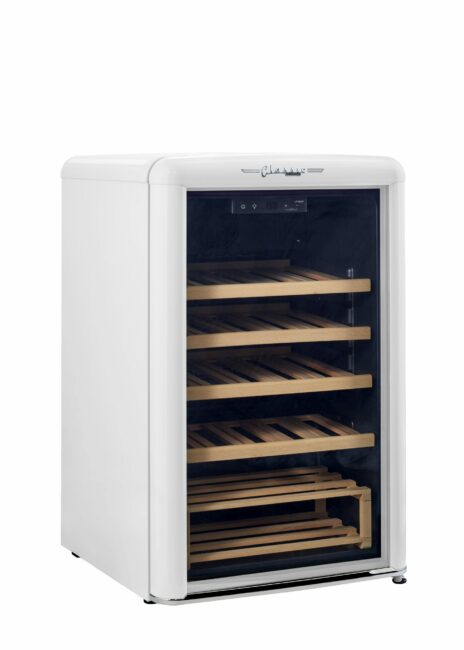
Image Source: uniqueappliances.com
Why White Wine Changes After Opening
When you pull the cork or twist off the cap on a bottle of white wine, air gets in. This is the start of a process called oxidation. Oxygen from the air mixes with the wine. This changes how the wine tastes and smells.
Think of cutting an apple. If you leave it out, it turns brown. That is oxidation too. Wine does not turn brown in the same way, but the effects are similar. The fresh fruit smells can fade away. New smells can show up, like nuts or sherry. The wine can lose its bright taste and become flat.
White wine storage temperature is very important for opened bottles. Putting the wine in the fridge slows down the oxidation process. Cold temperatures make the chemical reactions happen more slowly. This helps the wine stay fresh longer. If you leave an opened bottle of white wine out on the counter, it will go bad much faster, sometimes in just a day or two.
How Long Can Opened White Wine Stay Good?
The exact shelf life opened white wine fridge depends on a few things. The main factor is the wine itself. Different types of white wine last for different amounts of time after opening.
Here is a simple guide:
- Light-Bodied White Wines: Wines like Pinot Grigio, Sauvignon Blanc, and unoaked Chardonnay are very fresh and fruity. These wines are more sensitive to air. They usually taste best in the first 1 to 3 days after opening. After that, their bright flavors start to fade.
- Medium to Full-Bodied White Wines: Wines like Oaked Chardonnay, Viognier, and Chenin Blanc have more body and structure. They can handle air a little better than lighter wines. These often stay good for 3 to 5 days in the fridge.
- Sweet White Wines: Wines like Riesling (off-dry or sweet styles), Moscato, and Sauternes have sugar in them. Sugar can act as a kind of helper in keeping the wine fresh. These wines can often last for 3 to 5 days, sometimes even up to a week, in the fridge.
- Sparkling White Wines: Wines like Champagne, Prosecco, and Cava are made with bubbles (carbonation). The bubbles protect the wine from oxygen a bit. However, the bubbles themselves disappear quickly once opened. The wine might taste okay for 1 to 2 days, but it will be flat. Using a special sparkling wine stopper can help keep some bubbles for a day.
It is important to check your opened white wine expiration by smelling and tasting it before you drink it. Even within these time frames, a wine might go bad sooner or later.
Factors That Affect How Long Wine Lasts
Many things play a role in how long opened white wine is good for.
Contact with Air
This is the biggest factor. The more air that touches the wine, the faster it changes. A full bottle with just one glass poured out will last longer than a bottle that is almost empty. This is because there is less air in the fuller bottle. When you store white wine after opening, reducing the amount of air in the bottle is key.
Wine Type
As mentioned before, some wines are more delicate than others.
- Wines with higher acidity often last longer because acidity helps protect against spoilage. Sauvignon Blanc has high acidity, but its light body makes it sensitive. Riesling has high acidity and often sugar, which helps it last well.
- Wines with more tannins (though less common in white wine) or residual sugar can be more stable.
Storage Temperature
Keeping the wine cold slows down the chemical reactions that cause it to go bad. The best way to store opened wine is in the fridge. White wine storage temperature in the fridge should be consistently cold.
Storage Method
How you close the bottle matters a lot. Just putting the cork back in loosely is not the best way. Using a good stopper or a vacuum pump can make a big difference in the shelf life opened white wine fridge.
Original Quality and Age
A wine that was already old or not made very well might go bad faster after opening.
Spotting Bad White Wine
How do you know if your opened white wine has gone bad? There are clear signs of bad white wine.
Look at the Color
White wine should generally look clear and bright. As it oxidizes, it can change color. It might turn a darker yellow, sometimes even brownish. This color change is a sign that it has been exposed to too much air. It shows the wine is likely past its prime.
Smell the Wine
This is often the first and best way to tell if wine is bad. Fresh white wine smells like fruit, flowers, or minerals. When it goes bad, the smells change.
- Oxidized wine taste and smell: The fresh fruit smells disappear. You might smell nutty aromas, like almonds or walnuts. Sometimes it can smell like sherry or even apple cider vinegar. This is a strong sign of oxidation.
- Other bad smells: You might smell something like wet cardboard, burnt rubber, or just a generally off-putting, stale smell. If it smells vinegary, it is definitely bad. This means the wine has started to turn into vinegar.
Taste the Wine
If the smell seems okay but you are unsure, take a tiny sip. Bad white wine will not taste good.
- Oxidized wine taste: The wine will taste flat. It will lack freshness and vibrancy. The fruit flavors will be gone or taste stewed. It might have a nutty or sherry-like flavor. It can feel dull on your tongue.
- Other bad tastes: It might taste bitter, sour (like vinegar), or just unpleasant. If it tastes bad, do not drink it.
Signs of bad white wine are usually very noticeable. Your senses will tell you something is wrong. It won’t hurt you to taste a tiny bit of spoiled wine, but it won’t be enjoyable.
Interpreting Oxidation
Oxidation is the main enemy of opened wine. When oxygen touches the wine, it reacts with compounds in the wine, like polyphenols and ethanol. This causes the chemical changes that alter the smell, taste, and color.
Oxidized wine taste is characterized by:
- Loss of fresh fruit aromas (like citrus, green apple, tropical fruit).
- Appearance of nutty or sherry-like aromas (sometimes described as “nutty” or “bruised apple”).
- Reduced acidity, making the wine taste flat.
- Darker color.
While a little bit of oxidation is part of the aging process for some wines (like Oloroso Sherry), it is not wanted in most white table wines. For everyday white wine, oxidation means the wine is losing its intended character and going bad.
Best Ways to Store Opened White Wine
To give your opened white wine the longest possible shelf life opened white wine fridge, you need to store white wine after opening correctly. The main goal is to limit contact with oxygen and keep the wine cold.
Re-corking or Re-sealing
The first step is to close the bottle. Putting the original cork back is better than leaving it open. However, the cork might not fit perfectly once it has been pulled out.
- Original Cork: Put the wider, unused end of the cork back into the bottle. It might be a tight fit.
- Rubber Stopper: Simple rubber or silicone stoppers create a better seal than a used cork. They are easy to use and readily available.
- Screw Cap: If the bottle had a screw cap, simply screw it back on tightly. Screw caps usually provide a good seal.
Using a Vacuum Pump
A vacuum pump is a tool that comes with special rubber stoppers. You put the stopper in the bottle and then place the pump over it. You pump air out of the bottle. This creates a partial vacuum, meaning there is less oxygen inside the bottle to react with the wine.
Using a vacuum pump is one of the best way to store opened wine for basic needs. It can often extend the freshness of white wine by an extra day or two compared to just re-corking. However, some experts say it can also pull out some of the wine’s delicate aromas.
Using Inert Gas
Another method uses a can of inert gas (usually argon or nitrogen). These gases are heavier than oxygen. You spray the gas into the bottle before sealing it. The gas forms a protective layer on top of the wine, keeping oxygen away.
This is considered a very effective wine preservation method for opened bottles. It does not affect the wine’s aromas. Products like Private Preserve are examples of this method.
Smaller Bottles
If you know you will not finish a bottle quickly, you can pour the leftover wine into a smaller bottle. Fill the smaller bottle right up to the top, then seal it. This dramatically reduces the amount of air touching the wine. Use a clean bottle and funnel for this.
Keeping it Cold
No matter how you seal the bottle, always store white wine after opening in the refrigerator. White wine storage temperature in the fridge slows down oxidation. The ideal temperature for storing opened white wine is the same as serving temperature, around 45-50°F (7-10°C). Your regular fridge temperature is usually in this range.
Comparing Opened vs. Unopened Wine
The shelf life opened white wine fridge is very short compared to unopened bottles. Unopened white wine storage time can be anywhere from 1 to 5 years or even much longer for some high-quality wines meant for aging.
- Unopened Wine: When a bottle is sealed, very little oxygen can get in. The slow aging process that happens in an unopened bottle is different from the rapid oxidation that occurs in an opened bottle. Unopened wine stored properly (cool, dark place, on its side if corked) can develop complex flavors over time.
- Opened Wine: Once opened, the clock starts ticking quickly due to the sudden exposure to a large amount of oxygen. The wine starts to degrade, not age gracefully.
Knowing the difference is key. Do not expect an opened bottle to improve or even stay the same for long. Your opened white wine expiration is measured in days, not years.
Wine Preservation Methods Reviewed
There are several tools and techniques that act as wine preservation methods. Each has its pros and cons for keeping opened white wine fresh.
- Re-corking/Screw Cap: Simple and free. Provides some seal but not airtight. Least effective way to store white wine after opening.
- Rubber Stoppers: Cheap and easy. Better seal than corks. Still allows some air in.
- Vacuum Pumps (e.g., Vacu Vin): Removes air from the bottle. Extends life by a few days. Might subtly change aroma. Good value.
- Inert Gas Sprays (e.g., Private Preserve): Creates a protective layer of gas heavier than air. Very effective at preventing oxidation. Does not affect taste. More expensive per use than pumps.
- Wine Preservation Systems (Higher End):
- Coravin: A system that lets you pour wine without removing the cork, using a needle and argon gas. The cork reseals. This is excellent for preserving wine for weeks or months, but it’s an expensive device.
- Wine Refrigerators with Preservation Features: Some high-end wine fridges have built-in systems to keep opened bottles fresh, often using gas.
For most people looking to extend the shelf life opened white wine fridge for a few days, a good rubber stopper or a simple vacuum pump is sufficient. For more expensive wines you want to keep longer after just having a glass, a gas system or Coravin might be worth the investment. The best way to store opened wine really depends on how long you need it to last and how much you want to spend.
Grasping Why Wine Changes
Delving deeper into why opened wine spoils involves chemistry. Wine contains many different chemical compounds, including alcohols, acids, sugars, phenols, and volatile aromatic compounds. These compounds create the wine’s taste, smell, and color.
When oxygen is introduced, it reacts with some of these compounds.
- Ethanol (alcohol) + Oxygen: With the help of certain microbes (like Acetobacter bacteria, often present in the air), ethanol can turn into acetaldehyde and then acetic acid. Acetic acid is vinegar. This is why old, bad wine often smells and tastes vinegary.
- Phenols + Oxygen: Phenols are compounds that contribute to color and texture. Oxidation of phenols leads to browning in white wines and a loss of fresh fruit flavors. It can also create nutty aromas (oxidized wine taste).
- Aromatic Compounds + Oxygen: The volatile compounds that give wine its fresh, fruity, and floral smells are very sensitive to oxygen. They can break down or change into different compounds that smell less pleasant.
White wine storage temperature impacts the speed of these reactions. Cold temperatures slow down both the chemical oxidation reactions and the activity of any spoilage microbes.
How Air Gets In
Even when you put a cork back in, some air is still in the bottle, especially in the space between the wine and the cork (called the ullage). More air is in the bottle when you have drunk more wine. This is why a half-full bottle goes bad faster than a nearly full one.
The seal matters too. A natural cork is not perfectly airtight. Small amounts of oxygen can pass through it over time, even in an unopened bottle (this is part of slow aging). Once the cork is removed, it is even less effective at sealing. Screw caps are better at keeping air out before opening, and they seal tightly after opening.
Understanding these processes helps explain why reducing air contact and keeping it cold are the most effective strategies for extending the shelf life opened white wine fridge.
Practical Steps for Storing Opened White Wine
Let’s make it simple with steps you can take right away to store white wine after opening:
- Close it quickly: As soon as you are done pouring, put the seal back on. Do not leave the bottle open on the counter while you eat dinner.
- Use a good seal: The original screw cap is great. A fresh rubber stopper is better than the used cork. Consider a vacuum pump or inert gas if you want extra time.
- Put it in the fridge: This is not optional for keeping white wine fresh after opening. White wine storage temperature in the fridge is crucial.
- Stand it up: Storing the bottle upright in the fridge minimizes the surface area of the wine exposed to the air in the bottle. (For long-term storage of unopened corked wine, store on its side to keep the cork wet, but that’s different).
- Check it before drinking: Each time you go back to the bottle, smell it. Look at the color. If it seems off, taste a tiny bit. If the signs of bad white wine are there, it is time to open a new bottle.
By following these simple steps, you can maximize how long opened white wine is good for.
Unopened White Wine Storage Time: A Quick Look
While this guide is mainly about opened wine, it is useful to know about unopened wine. Unopened white wine storage time depends greatly on the wine type and quality.
- Most inexpensive white wines (under $15): These are made to be drunk young and fresh. They usually stay good for 1-2 years after the vintage date (the year on the bottle). They won’t necessarily go “bad” after this, but they will lose their fresh fruit flavors.
- Higher quality white wines (Sauvignon Blanc, Pinot Grigio): These might be good for 2-3 years.
- Structured white wines (Oaked Chardonnay, White Burgundy): Many can age for 3-5 years, some much longer.
- Acidic or Sweet white wines (Riesling, Chenin Blanc, Sauternes): Some of these wines have incredible aging potential, lasting for 10, 20, or even 50+ years, developing complex flavors.
Proper storage conditions are vital for unopened wine: cool, dark, and consistent temperature (ideally 50-55°F or 10-13°C). Avoid heat, light, and temperature swings.
This contrasts sharply with the typical shelf life opened white wine fridge, which is measured in just days.
Summing Up How Long White Wine Lasts Opened in the Fridge
To recap, how long is opened white wine good for when kept in the fridge?
Generally:
* Sparkling wines: 1-2 days (losing bubbles)
* Light, crisp whites: 1-3 days
* Medium to full-bodied whites: 3-5 days
* Sweet whites: 3-7 days
The shelf life opened white wine fridge is shortest for fresh, light wines and a bit longer for richer or sweeter ones. Always store white wine after opening in the fridge. Use a good seal. Watch for the signs of bad white wine: color changes, loss of fresh smells, nutty or vinegary odors, and flat or off tastes (oxidized wine taste). Using wine preservation methods like vacuum pumps or gas can help extend the time, but opened white wine expiration is usually within a week.
Table: Typical Opened White Wine Fridge Life
| Wine Type | Typical Days in Fridge After Opening | Notes |
|---|---|---|
| Sparkling (Champagne, Prosecco) | 1-2 days | Loses bubbles quickly. Use special stopper. |
| Light White (Pinot Grigio, Sauv Blanc) | 1-3 days | Freshness fades fast. |
| Medium/Full White (Oaked Chardonnay, Viognier) | 3-5 days | More body helps a bit. |
| Sweet White (Riesling, Moscato) | 3-7 days | Sugar helps preserve. |
Remember this table shows typical times. Your results may vary based on how full the bottle is and how well it is sealed.
Frequently Asked Questions (FAQ)
Q: Can I get sick from drinking old opened white wine?
A: It is very unlikely you will get sick. Opened wine that has gone bad might taste very unpleasant (sour, vinegary, nutty, flat) but it typically does not grow harmful bacteria like spoiled food does. The alcohol and acidity prevent that. The worst likely outcome is an unpleasant taste experience.
Q: Should I store opened white wine on its side or standing up in the fridge?
A: Store opened white wine standing up. This minimizes the surface area of the wine exposed to the air trapped in the bottle, slowing down oxidation.
Q: Does re-corking really help?
A: Yes, putting the cork back in is better than leaving the bottle open. It slows down air exposure. However, a new rubber stopper or screw cap provides a better seal than a used cork.
Q: What is oxidized wine taste like?
A: Oxidized wine taste is often described as flat, lacking fresh fruit flavors, and having nutty or sherry-like notes. Think of a bruised apple taste. It loses its vibrant, lively character.
Q: How does white wine storage temperature affect opened bottles?
A: Cold temperatures slow down the chemical reactions that cause wine to go bad (oxidation). Storing opened white wine in the fridge is essential to make it last as long as possible, typically extending its life by several days compared to leaving it at room temperature.
Q: Are wine preservation methods like vacuum pumps worth it?
A: For many people, yes. Simple vacuum pumps or inert gas sprays can extend the shelf life opened white wine fridge by 1-3 extra days, allowing you to enjoy the wine longer. They are relatively inexpensive and easy to use.
Q: Can opened white wine freeze in the fridge?
A: Standard fridges are usually set above freezing. Wine’s freezing point is lower than water’s due to the alcohol, typically around 20°F (-7°C). Your fridge is likely around 35-40°F (2-4°C), so opened wine won’t freeze there.
Q: How long is unopened white wine storage time typically?
A: Most simple, inexpensive white wines are best drunk within 1-2 years of the vintage date. Higher quality or sweeter whites can last longer, sometimes many years, if stored properly in a cool, dark place.
Q: What are the first signs of bad white wine?
A: The earliest signs are often changes in smell. The fresh fruit smells fade, and you might notice nutty or slightly dull aromas. The color might also start to deepen.
Q: Does the amount of wine left in the bottle matter?
A: Yes, a lot. A nearly empty bottle has much more oxygen in the bottle compared to the wine than a nearly full bottle. This means a bottle with just a glass left will go bad much faster than one that is only a quarter empty.