
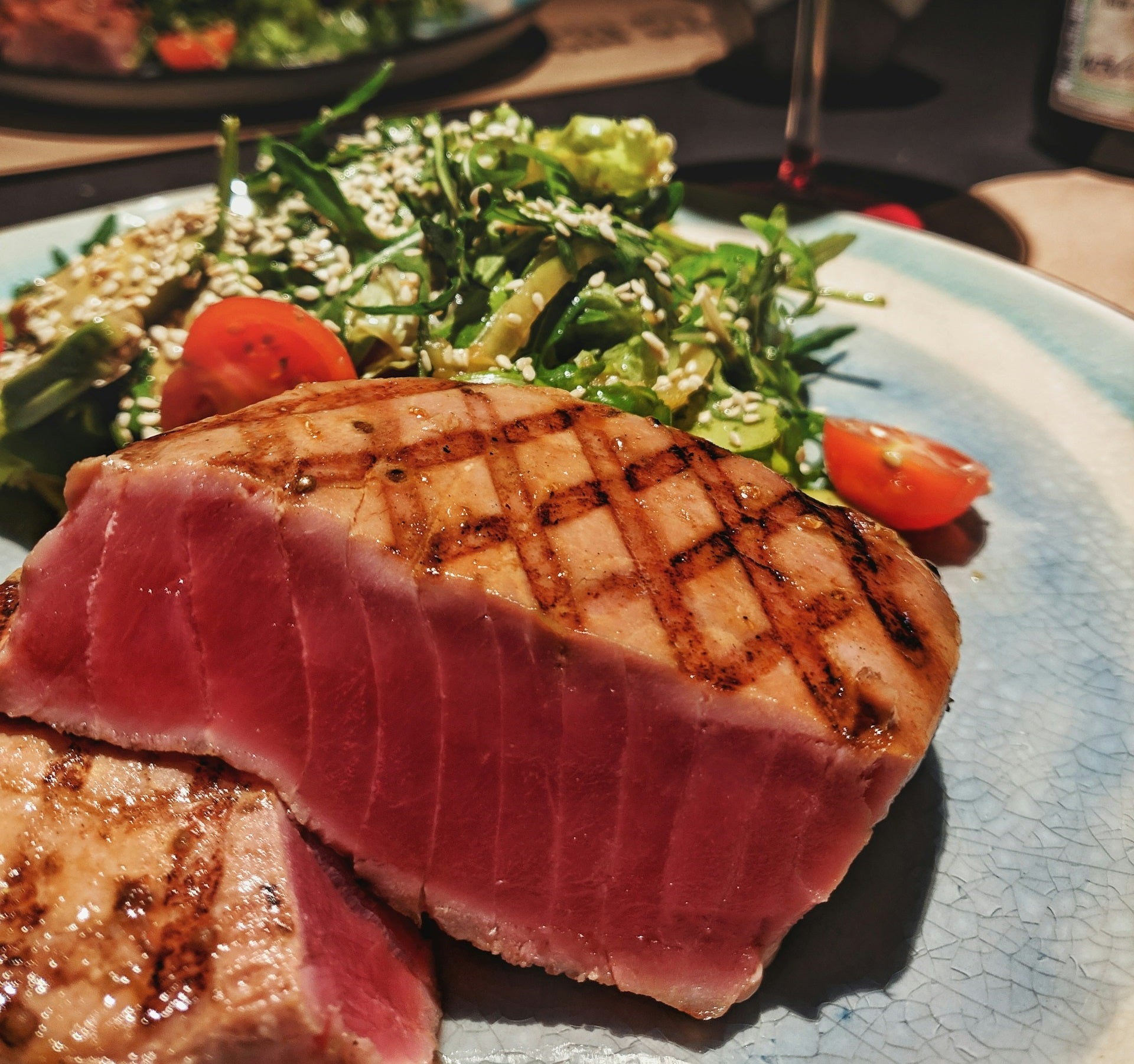
Image Source: fridge.com
Shelf Life: How Long Is Tuna Steak Good For In The Fridge?
Fresh tuna steak is a delicious choice for dinner. But it makes people wonder: how long does fresh tuna last in the fridge? And is my tuna steak still good? Generally, you should plan to cook or freeze fresh, raw tuna steak within 1 to 2 days of buying it. Keeping it cold and storing it right helps a lot. If it stays longer, it starts to lose quality and can become unsafe.
Reasons Why Fresh Tuna Doesn’t Last Long
Fresh fish, including tuna, is delicate. It starts to go bad quickly after it’s caught. Many things make it spoil fast. These things include tiny living things called bacteria. These bacteria grow quickly at warmer temperatures. They break down the fish. This causes bad smells, changes in look, and a poor taste.
What Makes Fish Spoil Faster?
Many steps affect how long fresh tuna lasts before it gets to your fridge. How the fish was caught matters. Was it handled gently? Was it cooled down fast? How it was shipped is also key. Did it stay cold the whole way? Once it gets to the store, how it is displayed and stored there also plays a big role. If the store kept it very cold, on lots of ice, it helps. If not, it might already be closer to spoiling when you buy it.
Proper Storage is Key
Knowing the best way to store tuna steak is very important. It helps keep it fresh for as long as possible within that short window. Bad storage makes it spoil faster. Good storage slows down how fast bacteria grow.
Keeping Tuna Cold in the Fridge
The goal of storing fresh tuna refrigerator temperature is to keep it as cold as possible without freezing it. The best temperature for storing fresh fish is close to 32°F (0°C). Most home fridges are set higher, usually around 40°F (4°C). This means you need to take extra steps to keep the tuna colder.
Using Ice for Extra Chill
Even in the fridge, ice helps a lot. Put the tuna in a dish. Place that dish on top of ice. Or surround the dish with ice. This drops the temperature around the tuna. It gets it closer to the ideal 32°F (0°C).
Choosing the Right Spot in the Fridge
The coldest part of the fridge is usually the bottom shelf or the meat bin. Store the tuna there. Do not put it in the door. The temperature in the door changes a lot each time you open it.
Packaging Tuna for the Fridge
How you wrap the tuna matters too. The goal is to keep air away from the fish. Oxygen in the air also makes fish spoil faster.
Original Packaging May Not Be Enough
Often, tuna steak comes on a tray with plastic wrap. This is okay for the short trip home. But it’s not the best way to store tuna steak for a day or two.
Better Ways to Wrap Tuna
Rewrap the tuna steak tightly. You can use plastic wrap first. Press out as much air as you can. Then, wrap it again in foil or place it in a sealed bag or container. Using a sealed container is a good choice. It keeps air out and also stops any fish smells from getting onto other food in your fridge.
Using a Dish with a Lid
Place the wrapped tuna in a dish with a lid. Put ice in the dish first. Then place the tuna on top of the ice. This method combines good wrapping with the benefits of ice. It’s a very effective way of storing fresh tuna refrigerator.
Raw Tuna Storage Guidelines
Following specific raw tuna storage guidelines helps keep your tuna safe and tasty. These guidelines focus on temperature and time.
- Temperature: Keep the tuna steak at 40°F (4°C) or below in your fridge. Ideally, closer to 32°F (0°C) by using ice.
- Time: Plan to use or freeze raw tuna steak within 1 to 2 days of buying it. This is the general rule for how long to keep raw tuna.
- Packaging: Wrap it tightly to keep air out. Use plastic wrap, then foil, or a sealed container.
- Cross-Contamination: Keep raw tuna separate from other foods, especially cooked foods or foods eaten raw like salad. This stops germs from spreading.
Why Only 1-2 Days?
The shelf life raw tuna steak is short because it is a fresh product. It has not been processed to make it last longer. Bacteria are always present. Cold temperatures just slow them down. They don’t stop them completely. After a couple of days, bacteria numbers can get high enough to make the tuna unsafe.
Signs Tuna Steak is Bad
Knowing the signs tuna steak is bad is very important. Eating spoiled fish can make you sick. Trust your senses: look, smell, and touch the tuna.
What to Look For
Fresh tuna steak should look moist and shiny. It should have a bright, deep red or pinkish color. Sometimes, treated tuna (like some sold in stores) might be a brighter red. This treatment makes the color last longer, but it doesn’t make the fish last longer.
- Loss of Brightness: If the tuna looks dull or faded, it might be starting to spoil.
- Color Change: A change from red/pink to a brownish or grey color is a bad sign. Dark spots can also mean it’s spoiling.
- Slimy Surface: Fresh tuna should not feel slimy. If it has a slick or slimy coating, throw it away.
- Dry Edges: If the edges look dry or cracked, it’s losing moisture and freshness.
What to Smell For
The smell is often the first and best sign that tuna is going bad. Fresh tuna has a very mild, clean, sea-like smell. It should not smell strongly “fishy.”
- Strong “Fishy” Smell: A strong, unpleasant fishy smell is a key sign of spoilage. It smells different from a mild sea smell.
- Sour or Ammonia Smell: If it smells sour or like ammonia, it is definitely bad. This is caused by bacteria breaking down the fish.
What it Should Feel Like
Fresh tuna should feel firm but also moist.
- Loss of Firmness: If the tuna feels very soft or mushy, it’s a sign of spoilage. When you press it gently, it should spring back a little. If the dent stays, it’s likely bad.
When in Doubt, Throw it Out
If you see any of these signs tuna steak is bad, or if you are not sure, it is safest to throw the tuna away. It’s not worth the risk of getting sick. Checking for these signs is part of figuring out is my tuna steak still good.
Shelf Life vs. Expiration Date
It’s helpful to think about the tuna steak expiration date. However, fresh fish usually doesn’t have a strict “expiration date” like milk or yogurt. What you often see on fish packages is a “sell by” date.
- “Sell By” Date: This date tells the store how long to display the product for sale. It’s not about safety, but about quality. You should buy the fish before this date.
- “Best By” or “Use By” Date: Sometimes, you might see these dates. They suggest when the product is at its best quality. For fresh fish, even these dates assume proper storage from the moment it was packed.
You can usually keep fresh tuna for 1-2 days after buying it, as long as you buy it before the “sell by” date and store it correctly. But always check for spoilage signs. The date is just a guide. Your senses are the best tool to know is my tuna steak still good.
Typical Fresh Fish Storage Time Fridge
Let’s look at fresh fish storage time fridge for tuna and other types of fish. Tuna falls into the category of lean fish.
| Type of Fresh Fish | Recommended Fridge Storage Time (at 40°F / 4°C or below) |
|---|---|
| Tuna Steak | 1-2 days |
| Salmon | 1-2 days |
| Other Lean Fish (Cod, Snapper) | 1-2 days |
| Fatty Fish (Mackerel, Sardines) | 1 day (spoil faster due to fat) |
| Shellfish (Shrimp, Scallops) | 1-2 days |
This table confirms that the shelf life raw tuna steak in the fridge is quite short compared to many other foods. The 1-2 day rule is standard for most fresh fish. This is why knowing how long to keep raw tuna is important for home cooks.
Extending Tuna’s Shelf Life: Freezing
If you buy fresh tuna but can’t cook it within 1-2 days, freezing is the best way to keep it safe and maintain quality for a longer time. Freezing stops bacteria growth completely.
How to Freeze Tuna Steak
Proper freezing helps keep the tuna from drying out and getting “freezer burn.” Freezer burn happens when air touches the frozen food, causing ice crystals and a dry, tough texture.
- Wrap it Well: Just like storing in the fridge, wrapping is key. Wrap each tuna steak tightly in plastic wrap. Press out all the air.
- Add Another Layer: Wrap the plastic-wrapped steak again in aluminum foil, freezer paper, or place it in a freezer bag. If using a bag, squeeze out as much air as possible before sealing. Vacuum sealing is even better if you have the tool. This stops freezer burn.
- Label and Date: Write the date on the package. This helps you know how long it has been frozen.
- Freeze Quickly: Put the tuna in the coldest part of your freezer. Freezing it fast helps keep the ice crystals small, which is better for the fish’s texture.
How Long Can Tuna Stay Frozen?
Frozen raw tuna steak can stay good for about 3 to 6 months. After this, it is usually still safe to eat if kept frozen solid. But its quality (taste and texture) might start to go down. For the best taste, try to use it within 3 months.
Thawing Frozen Tuna
Thaw frozen tuna safely to stop bacteria from growing while it thaws. The safest way is in the refrigerator.
- In the Fridge: Move the frozen tuna from the freezer to the fridge. Place it on a plate or in a dish to catch any drips. It will take several hours or overnight to thaw.
- Cold Water: For faster thawing, put the sealed bag of tuna in a bowl of cold water. Change the water every 30 minutes. Cook the tuna right away after thawing this way.
- Microwave: Thawing in the microwave is fastest but can start to cook the edges. Use the defrost setting. Cook the tuna immediately after microwaving.
Never thaw frozen tuna on the kitchen counter at room temperature. This is risky because the outside warms up and can reach temperatures where bacteria grow fast, while the inside is still frozen.
Previously Frozen Tuna Steak
Sometimes, the tuna you buy fresh at the store has already been frozen before. The store should tell you this, often on the label. “Previously frozen” fish should be handled differently.
- Do Not Refreeze: If tuna was sold thawed after being frozen, you should not freeze it again at home. Freezing, thawing, and then refreezing harms the texture and quality. It also increases the risk of bacteria growing during the thawing periods.
- Shorter Fridge Life: Previously frozen tuna that has been thawed needs to be cooked or eaten even faster than truly fresh tuna. It is often best to use it the same day you buy it, or within 1 day at most. This is because the thawing process can affect its structure and start the clock on spoilage again.
Always check the label to see if the tuna was previously frozen. This changes the raw tuna storage guidelines you should follow at home.
Food Safety First
No matter how long does fresh tuna last or the fresh fish storage time fridge, food safety is the most important thing. Bacteria like Listeria, Salmonella, and E. coli can be on raw fish. Proper storage at cold temperatures slows their growth. Proper cooking kills them.
- Keep it Cold: Always keep raw tuna cold, whether you are bringing it home, storing it, or thawing it.
- Cleanliness: Wash your hands, cutting boards, knives, and dishes well with soap and hot water after touching raw fish.
- Cook Properly: Cook tuna steak to a safe temperature. For most fish, the internal temperature should reach 145°F (63°C). However, many people prefer tuna steak cooked rare or medium-rare. If you cook it this way, be aware that you are taking on a higher risk of foodborne illness. This risk is lower with very high-quality, “sushi-grade” tuna, but the 1-2 day storage rule still applies for raw consumption.
Following these steps helps make sure the tuna you eat is safe.
Summarizing Tuna Steak Fridge Life
To recap the shelf life raw tuna steak:
* Store fresh tuna in the fridge at 40°F (4°C) or lower. Using ice is best to get it closer to 32°F (0°C).
* Keep it well wrapped to avoid air contact.
* The typical time to keep fresh raw tuna in the fridge is 1 to 2 days from when you buy it.
* Check for signs tuna steak is bad before cooking: bad smell (sour, ammonia, strong fishy), slimy feel, dull or brown color.
* If you can’t use it within 1-2 days, freeze it. Frozen tuna is best used within 3-6 months.
* If the tuna was previously frozen, use it the same day or within 1 day of buying it.
Remember that the tuna steak expiration date (usually a “sell by” date) is a guide for the store, not a strict safety limit for home. Your senses are your best tool to know is my tuna steak still good. Stick to the 1-2 day rule for safety and quality.
More Details on Spoilage
Let’s talk a bit more about why fish spoils and what happens. Fish contains compounds called proteins and fats. Bacteria naturally present on the fish begin to break these down. This process creates new compounds. Some of these new compounds have bad smells and tastes.
For example, a key part of spoilage in fish is the breakdown of a substance called trimethylamine oxide (TMAO). TMAO is common in fish and doesn’t smell. But when bacteria work on it, they turn it into trimethylamine (TMA). TMA is what gives spoiled fish its strong, unpleasant “fishy” or ammonia-like smell. This is why a bad smell is such a clear sign that tuna is going bad.
The Role of Bacteria
Different types of bacteria live on fish. Psychrotrophic bacteria are a problem because they can grow even at fridge temperatures (above freezing). While freezing stops them, chilling only slows them down. Over time, even in a cold fridge, these bacteria multiply. As they grow, they produce more waste products that make the fish spoil.
Enzymes Also Play a Part
Besides bacteria, enzymes naturally in the fish’s body also cause changes after death. These enzymes break down the fish’s tissues. This affects the texture, making it softer or mushy. It can also affect the flavor. While enzyme action isn’t the main cause of unsafe fish (that’s bacteria), it does contribute to the loss of quality.
All these processes happen faster at warmer temperatures. This is why keeping the storing fresh tuna refrigerator temperature as low as possible (close to 32°F or 0°C) is so important for maximizing the short fresh fish storage time fridge.
Buying Fresh Tuna
When you buy fresh tuna, look for signs of quality at the store.
- Appearance: It should look moist and shiny. The color should be a deep red or pink. Avoid tuna that looks dry, dull, or has brown edges or spots.
- Smell: It should have a clean, mild smell of the sea. Do not buy fish that smells strongly fishy or like ammonia.
- Source: If possible, buy from a fishmonger you trust or a store with a good reputation for fresh seafood. Ask them when the fish arrived.
The quality of the tuna when you buy it directly affects its shelf life raw tuna steak once you get it home. Starting with the freshest possible fish gives you the full 1-2 days of fridge life.
Preventing Waste
Because how long does fresh tuna last is such a short time, planning is helpful.
- Buy What You Need: Try to buy only the amount of tuna you plan to eat within 1-2 days.
- Have a Plan B: If you are not sure you can cook it in time, plan to freeze it right away when you get home. Freeze it while it is still very fresh.
Wasting food is not good. Proper storage and knowing the true shelf life raw tuna steak helps you use it safely and enjoy it.
The Importance of Temperature Control
To really stress the point about temperature for how long to keep raw tuna: the difference between 40°F (4°C) and 32°F (0°C) can be significant for bacterial growth. Growth is much slower closer to freezing. While your fridge setting is usually 40°F, using ice can help create a colder micro-environment specifically for your tuna. This is why using ice when storing fresh tuna refrigerator is part of the best way to store tuna steak. It’s a simple step that really helps extend the usable fresh fish storage time fridge for that precious day or two.
Common Myths
Let’s clear up a few common ideas about fresh fish storage.
- Myth: Washing raw fish before storing it makes it safer.
- Fact: Washing raw fish is not recommended. It can spread bacteria from the fish to your sink, counter, and other foods (cross-contamination). Cooking kills the bacteria. Storing it cold slows their growth.
- Myth: If it doesn’t smell too bad, it’s probably okay.
- Fact: Any off smell, especially a strong fishy, sour, or ammonia smell, means bacteria have multiplied to a level that makes it unsafe or at least poor quality. Trust your nose. If it smells bad, it is likely bad.
- Myth: The “sell by” date means it’s bad the day after that date.
- Fact: The “sell by” date is mainly for the store. While quality is best before this date, if stored correctly at home, you usually have 1-2 days after buying it (assuming you bought it before the sell-by date) within which to use it. But again, check for spoilage signs.
Knowing these facts helps you better follow raw tuna storage guidelines and understand the real tuna steak expiration date concept (or lack thereof).
Conclusion on Tuna Steak Freshness
The bottom line for how long does fresh tuna last in the fridge is short: 1 to 2 days. This small window is crucial for safety and quality. By following the best way to store tuna steak – keeping it very cold (near 32°F/0°C, ideally with ice), wrapping it tightly, and storing it safely in the fridge – you give yourself the best chance to use it within this time. Always check for signs tuna steak is bad before you decide to cook it. A bad smell or slimy feel are clear warnings. If you have any doubt, or if it’s been longer than 2 days, it’s safest to discard it. Freezing is an excellent option if you can’t use it right away, letting you enjoy your tuna later without waste. Being aware of these raw tuna storage guidelines and the typical fresh fish storage time fridge helps you enjoy delicious tuna steak safely.
Frequently Asked Questions About Tuna Steak Storage
h4: How Long Can Raw Tuna Steak Stay at Room Temperature?
Raw tuna steak should not be left at room temperature for more than 2 hours. If the room is warm (above 90°F/32°C), this time drops to just 1 hour. Bacteria grow very quickly at room temperature, making the tuna unsafe fast. Always put it in the fridge or freezer right away.
h4: Can I Cook Tuna Steak That Smells a Little Fishy?
A very mild, clean, sea-like smell is normal for fresh tuna. A strong, unpleasant, or sour fishy smell is a sign of spoilage. Cooking will kill bacteria, but it won’t get rid of the bad smells or the toxins some bacteria produce. Eating spoiled fish can still make you sick. If it smells strongly fishy or off, it’s best not to eat it. This is a key part of checking is my tuna steak still good.
h4: Is “Sushi Grade” Tuna Different for Storage?
“Sushi grade” is a term often used to mean the fish is of high quality and has been handled with extra care to make it safer to eat raw. While it may be safer for raw consumption within the first day, the general shelf life raw tuna steak rule for storage in a home fridge still applies. You should still plan to eat it within 1-2 days. If you are eating it raw, it’s even more critical that it is very fresh and has been kept extremely cold.
h4: Can Vacuum Sealing Extend Fridge Life Much?
Vacuum sealing removes air, which can slow down some types of spoilage, especially those caused by oxygen. However, other bacteria that don’t need oxygen can still grow at fridge temperatures. Vacuum sealing might add a little bit of time, perhaps one extra day in some cases, but it does not dramatically change the basic shelf life raw tuna steak rule of 1-2 days for safety in a regular home fridge. Do not rely on vacuum sealing alone to keep it fresh for much longer than the standard time. Temperature is still the most important factor.
h4: What Happens if I Eat Tuna Steak That’s Gone Bad?
Eating spoiled tuna steak can cause food poisoning. Symptoms can include nausea, vomiting, stomach cramps, and diarrhea. In some cases, especially with certain types of fish spoilage (like Scombroid poisoning, which can happen with tuna that wasn’t kept cold), symptoms can be more severe, including flushing, headache, dizziness, and rash. Always check for signs tuna steak is bad before eating to avoid getting sick.