
How does an RV fridge work? An RV fridge cools food using heat, not a mechanical compressor like your home fridge. It uses a clever system called absorption cooling. This system cycles a special mix of liquids and gases to make cold inside the fridge box. Heat, usually from a propane flame or an electric heater, powers the whole process.
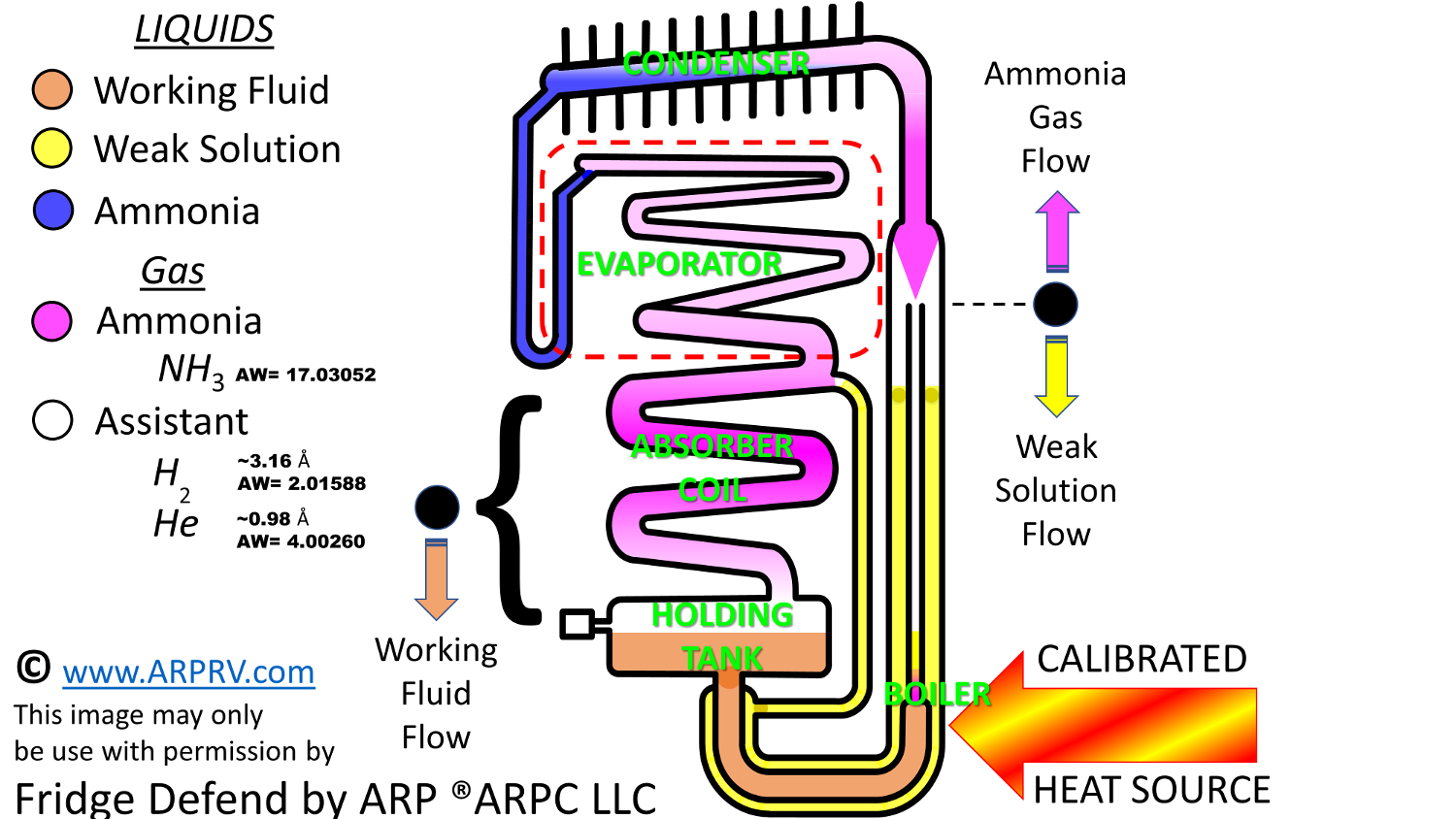
Image Source: www.arprv.com
Grasping the Basics of RV Refrigeration
Most homes use fridges with a compressor. This machine squeezes a special gas to make it cold. RVs often use a different type. It’s called an absorption fridge. This kind of fridge uses heat. The heat makes chemicals move through pipes. This movement creates cold. It works in a loop, over and over.
Think of it like a cycle. Heat goes in, cold comes out. The heat makes a liquid turn into a gas. This gas then cools things down as it changes back. It does all this without a moving compressor part. This makes it very quiet.
This is the main way many RV fridges work. It’s called the absorption method. It’s good for RVs because it can run on different power sources. Propane gas is one power source. Standard electricity is another. Some parts might use 12 volt power too.
Decoding the Absorption Cooling Method
Let’s look at the heart of how an RV fridge makes cold. It uses a process called the absorption cycle. This cycle involves three main things: water, ammonia, and hydrogen gas. They travel through sealed pipes. Heat pushes them along.
Here is how the RV absorption refrigerator operation works in simple steps:
- Heating: A heater warms a mix of water and ammonia. This happens in a part called the generator or boiler. This heat makes the ammonia boil out of the water as a gas.
- Separating: The hot ammonia gas goes up to a separator. It leaves the water behind. The water flows back to another part of the system.
- Condensing: The hot ammonia gas flows to a condenser. This is a set of fins on the back of the fridge. Here, the gas cools down. It turns back into a liquid. Think of steam turning into water on a cold window.
- Evaporating: The liquid ammonia then flows to the evaporator. This part is inside the fridge box or freezer. Here, it meets hydrogen gas. The ammonia changes from a liquid back into a gas. This change takes heat from inside the fridge. This is what makes the inside cold. This is the core of the ammonia refrigeration cycle RV.
- Absorbing: The ammonia gas and hydrogen gas mix then flow to the absorber. Here, the ammonia gas is soaked up by the water that flowed back earlier. The hydrogen gas is left free to go back to the evaporator.
- Cycling: The mix of water and ammonia then flows back to the generator. The cycle starts all over again.
This whole path is the RV fridge absorption cycle diagram in action. It’s a continuous loop of heating, separating, cooling, and absorbing.
Parts of an RV Absorption Fridge
An RV absorption fridge is a collection of specific parts. These parts work together in a closed loop. The components of an RV absorption fridge include:
- Generator/Boiler: This is where the heat is applied. It heats the water and ammonia mix. This makes ammonia gas separate from the water.
- Separator: This small section lets the ammonia gas rise up and sends the water back down a different path.
- Condenser: A coil of pipes with fins, usually on the outside back of the fridge. Hot ammonia gas cools here and turns into liquid.
- Evaporator: A coil of pipes inside the fridge and freezer. Liquid ammonia mixes with hydrogen gas here and turns back into gas. This process absorbs heat from the fridge space. This is the main part of the RV refrigerator cooling unit function.
- Absorber: This is where the ammonia gas gets soaked up by the water again. Hydrogen gas is also present here.
- Heat Source: This can be a propane burner or an electric heating element. It provides the heat for the generator.
- Plumbing/Tubing: All these parts are connected by a network of pipes. This is often called the cooling unit. It’s a sealed system containing the water, ammonia, and hydrogen.
All these parts must work correctly for the fridge to cool. The fluids must flow properly through the pipes.
Powering Your RV Fridge: Propane and Electric
One great thing about RV fridges is they can run on different power sources. This is key for RV life. You can keep food cold even when you’re far from electric hookups.
Propane Power
Running on propane is how many RVers keep their food cold off-grid. The propane RV fridge working principle is simple. A small propane flame burns under the generator pipe. This flame provides the heat needed to start the absorption cycle.
The gas flows from your RV’s propane tank. It goes through a valve and igniter. When you turn the fridge to “gas” mode, the flame starts. This flame must stay lit for the fridge to work. A small sensor checks if the flame is on. If it goes out, the gas shuts off for safety.
Using propane is very efficient for keeping the fridge cold for a long time. It uses very little propane. A standard tank can often run the fridge for weeks.
Electric Power
Most RV fridges can also run on electricity. This is useful when you are hooked up to power at a campground. There are usually two electric options: 120-volt AC and sometimes 12-volt DC.
-
120-volt AC: This is like the power you get from wall outlets at home. When you’re plugged into shore power, the fridge can use this. Instead of a propane flame, an electric heating element in the generator heats the fluid. How RV fridges cool with electricity using 120V is just by changing the heat source. The rest of the absorption cycle works the same way. This is often the most efficient electric method when shore power is available.
-
12-volt DC: This is the power that comes from your RV’s batteries. Some RV fridges have a 12-volt option. However, the 12 volt RV fridge operation is often different or limited. On older or smaller fridges, the 12-volt power might only run the control board or internal lights. It does not always power the main heating element needed for cooling. Some newer, smaller RVs have pure 12V compressor fridges (which work like home fridges), but traditional absorption fridges mainly use 12V for the electronic controls. If an absorption fridge does have a 12V heating element, it uses a lot of battery power. It’s often meant for cooling down the fridge while driving (using the tow vehicle or RV engine’s alternator to provide power) rather than running for long periods off the house battery bank. Always check your specific fridge model’s manual to know what the 12V setting does.
Choosing the power source depends on where you are and what power you have available. At a campground with hookups, use electric. When boondocking without hookups, use propane.
RV Refrigerator Cooling Unit Function
The core work of cooling happens in the cooling unit. This is the sealed system of pipes and tanks. It contains the water, ammonia, and hydrogen. The RV refrigerator cooling unit function is to move these chemicals through the cycle.
Heat is put into the generator. This makes ammonia gas. The gas flows up and then through the condenser (outside). It turns back into liquid. Then it flows into the evaporator (inside). Here, it mixes with hydrogen gas. This process causes the liquid ammonia to take heat from the fridge’s inside air. This makes the air inside cold.
The now-gaseous ammonia (mixed with hydrogen) then moves to the absorber. Here, water soaks up the ammonia. The hydrogen is released to cycle back. The ammonia-rich water then flows back to the generator to start over.
The cooling unit relies on gravity and the natural flow of gases and liquids as they heat and cool. It needs no pumps or moving parts inside the sealed system itself. This simple, quiet process is the genius behind the absorption method.
Why Leveling Matters for RV Fridges
If you have an RV fridge, you’ve probably heard you need to park level for it to work right. This is very true for absorption fridges. Leveling RV fridge operation is not just a suggestion; it’s vital.
Why is leveling important? Remember how the water and ammonia mix moves through the pipes? It uses gravity to flow back to the generator from the absorber. It also uses gravity to flow from the condenser to the evaporator.
If the RV is not level, the fluids can pool in the wrong places. The water might not flow back to soak up the ammonia. The liquid ammonia might not flow correctly into the evaporator section.
When the fluids pool, the cycle breaks down. The ammonia gas might not get absorbed properly. The liquid ammonia might not evaporate correctly. This stops the heat absorption inside the fridge.
What happens if you don’t level your RV when the fridge is running?
- The fridge might not cool down at all.
- It might cool poorly, only getting slightly cool instead of cold.
- Running it unlevel for a long time can even damage the cooling unit. If the fluids get stuck and heat continues to be applied, it can overheat a section and cause a blockage or a leak. This often means the whole cooling unit needs to be replaced.
So, always make sure your RV is reasonably level when running the absorption fridge on propane or electricity. Small slopes are usually okay, but big tilts can cause problems. Use leveling blocks or your RV’s leveling jacks.
RV Fridge vs. Home Fridge: What’s Different?
What is the difference between RV and residential fridge? The biggest difference is the cooling method.
-
Residential Fridges: These almost always use a compressor. A motor runs a pump that compresses a refrigerant gas. This process creates cold very effectively and quickly. They require 120V AC power constantly to run the compressor motor. They are sensitive to being moved when running and usually need time to settle after transport before plugging in.
-
RV Absorption Fridges: These use the heat-powered absorption cycle with ammonia, water, and hydrogen. They have no compressor motor. They are very quiet. They can run on multiple power sources (propane or electric). However, they take much longer to cool down (often 6-8 hours or more). They are less efficient at cooling in very hot outside temperatures. They also require the fridge to be level to work correctly.
Here’s a simple table comparing them:
| Feature | RV Absorption Fridge | Residential (Compressor) Fridge |
|---|---|---|
| Cooling Method | Absorption (uses heat) | Compression (uses motor) |
| Power Source | Propane, 120V AC, (sometimes 12V DC) | 120V AC |
| Moving Parts | Very few internal (no compressor) | Compressor motor, fan motors |
| Noise Level | Very Quiet | Motor hum |
| Cooling Speed | Slow (hours to cool down) | Fast (minutes to cool down) |
| Temperature Range | Can struggle in extreme heat | Generally better in extreme heat |
| Leveling Needed | Yes, must be level | No, doesn’t require leveling |
| Power Use | Efficient on Propane; higher elec. | Efficient on Electric |
| Initial Cost | Often higher | Often lower |
The choice of an absorption fridge in many RVs is because of its ability to run on propane. This lets you camp anywhere without needing electric hookups. For RVers who always stay at campgrounds with power, a residential-style fridge (if the RV is built for it) might be considered.
Deep Dive into the Ammonia Refrigeration Cycle
Let’s look a bit closer at the ammonia refrigeration cycle RV. It’s a continuous loop.
The cycle starts with a strong mix of ammonia in water. This is in the generator.
Heat goes in here (from propane flame or electric element).
The heat makes the ammonia turn into a gas. It boils out of the water.
Ammonia gas goes up.
The hot ammonia gas goes to the condenser coils outside the RV. Air flow over these coils cools the gas.
Ammonia gas cools and turns into liquid ammonia.
The liquid ammonia flows down into the evaporator coils inside the fridge. Here, it mixes with hydrogen gas.
Liquid ammonia evaporates into gas. This takes heat from inside the fridge.
This is the cooling step. The ammonia gas mixes with the hydrogen gas. This mix is heavier than pure hydrogen.
Ammonia/Hydrogen gas mix flows down to the absorber.
In the absorber, water flows in from the generator (it flowed there earlier). The water loves to soak up ammonia gas.
Water absorbs the ammonia gas.
The hydrogen gas is now free again. It flows back up to the evaporator to help the cycle continue.
Hydrogen gas cycles back to the evaporator.
The water that absorbed the ammonia is now a strong solution again. It flows back to the generator.
Ammonia-rich water flows back to the generator.
The process repeats endlessly as long as heat is applied and the system is level. The hydrogen gas acts like a helper. It lowers the pressure in the evaporator. This helps the liquid ammonia turn into a gas easily at low temperatures, which is what creates the cold inside the fridge.
Maintaining Your RV Fridge
To keep your RV fridge working well, a few simple things help:
- Keep it level: Always level your RV before running the fridge.
- Check the vent: Make sure the outside vents for the fridge are not blocked. The condenser needs air flow to cool the ammonia gas.
- Clean the burner: If using propane, the burner and chimney can get dirty. Cleaning them helps the flame burn correctly.
- Check the seal: Make sure the door seal is tight. Cold air escapes through bad seals.
- Defrost: If ice builds up inside, defrost the fridge. Ice makes it work harder and less well.
Understanding the RV absorption refrigerator operation helps you troubleshoot problems. If it’s not cooling, check the heat source (flame or element), make sure it’s level, and check for airflow outside.
Further Details on Components and Function
Let’s look a bit more at how some parts function within the RV refrigerator cooling unit function.
The Generator/Boiler: This is usually a thick steel pipe. It sits above the heat source. Inside, fins or tubes help the heat transfer to the liquid. As the water/ammonia mix heats up, the ammonia boils. The gas bubbles rise up the pipe. This lift action also helps push the rest of the liquid up with it.
The Separator: At the top of the generator, the pipe usually has a bend or a chamber. This is where the gas bubbles burst free from the liquid. The liquid water flows down a separate pipe (often called the liquid return line) towards the absorber. The hot ammonia gas continues upwards.
The Condenser: These are the black coils and fins often seen on the back of the RV fridge. They are designed to let heat escape easily. As the hot ammonia gas flows through these coils, the cooler outside air takes the heat away. This energy loss causes the gas to change phase into a liquid. Proper airflow over the condenser is critical for the fridge to cool effectively, especially in hot weather. Fans are sometimes added behind the fridge to improve airflow.
The Evaporator: This is the part you see inside the fridge and freezer compartments. It’s a network of pipes. This is where the cold happens. Liquid ammonia enters this section and mixes with hydrogen gas. The presence of hydrogen lowers the pressure, allowing the liquid ammonia to boil (evaporate) at a very low temperature. This boiling process requires heat, and it pulls that heat from the air and food inside the fridge box.
The Absorber: Located lower in the system, the absorber is where the ammonia gas (now mixed with hydrogen) meets the water that returned from the separator. Water has a strong attraction to ammonia. The water soaks up the ammonia gas, forming a strong ammonia-water solution. The hydrogen gas is left free and flows back up to the evaporator to repeat its role.
The Role of Hydrogen Gas: Hydrogen gas is crucial in the absorption cycle, specifically in the evaporator. It’s a lightweight gas that doesn’t absorb into water easily under these conditions. Its main job is to lower the partial pressure of the ammonia in the evaporator. This makes it easy for the liquid ammonia to evaporate at low temperatures (like those needed to keep food cold). Without the hydrogen, the ammonia would need much colder temperatures or lower total pressure to evaporate, which would make the system far less efficient or impossible without a pump.
The RV refrigerator cooling unit function relies on these gases and liquids flowing correctly through this specific path. Any blockage, leak, or improper tilt can disrupt this flow and stop the cooling.
Final Thoughts on RV Absorption Fridges
RV absorption fridges are amazing pieces of technology. They use a simple, quiet, heat-powered cycle to keep your food cold. They offer the flexibility of running on propane or electricity. This makes them ideal for RV travel. While they have some needs, like being level and needing time to cool, their ability to run off-grid makes them a staple in the RV world.
Knowing how does an RV fridge work helps RV owners take better care of their fridge. It helps understand why leveling is important. It clarifies how RV fridges cool with electricity versus propane. It explains the ammonia refrigeration cycle RV and the components of an RV absorption fridge. It shows how the RV refrigerator cooling unit function relies on simple physics and chemistry. And it highlights the difference between RV and residential fridge.
By understanding the RV absorption refrigerator operation, you can enjoy fresh food on all your adventures, whether you’re plugged in or out in the wild.
Frequently Asked Questions (FAQ)
Q: How long does an RV fridge take to cool down?
A: An absorption RV fridge takes a long time to get cold. Expect it to take at least 6-8 hours, and sometimes up to 12 hours, to reach a safe food storage temperature. It’s best to turn it on the day before you pack food in it.
Q: Can I run my RV fridge while driving?
A: Yes, you can usually run your RV fridge while driving. If you use propane, make sure it is allowed in the areas you are traveling through (some tunnels or ferries do not allow propane flames). If using electric, your RV’s electrical system, powered by the engine’s alternator, usually provides 12V or 120V power (through an inverter) to run the fridge. Running on 12V can drain your house battery quickly if the engine isn’t running.
Q: Why does my RV fridge only work when level?
A: The absorption cycle relies on gravity to move fluids (water and ammonia solution) through parts of the system. If the fridge is not level, the fluids can pool in the wrong pipes, stopping the flow and breaking the cooling cycle.
Q: Is it better to run my RV fridge on propane or electric?
A: It depends on your situation. Propane is very efficient and best when you don’t have electric hookups. Electric (120V AC) is convenient and often preferred when you are plugged into shore power at a campground, saving your propane. Cooling performance is generally similar on either heat source if they are working correctly.
Q: What does the 12V setting do on my RV fridge?
A: On most traditional absorption fridges, the 12V setting powers the control board electronics and interior light. On some models, it might power a 12V heating element, but this uses a lot of battery power and is usually only meant for temporary use while driving and connected to the vehicle’s charging system. Check your fridge manual to confirm what the 12V setting controls.
Q: What is the “cooling unit”?
A: The cooling unit is the sealed system of pipes and tanks containing the ammonia, water, and hydrogen gas. It’s where the absorption cycle happens. It’s a critical part of the RV fridge.
Q: Can an absorption fridge work in very hot weather?
A: Absorption fridges are less efficient than compressor fridges in very high outside temperatures. The condenser needs to shed heat, which is harder when the air is hot. Good airflow behind the fridge (checking vents, adding fans) can help improve performance in hot weather.