
A common question people ask is, “How many amps does a fridge use?” The simple answer is that it varies a lot, but most modern home refrigerators use between 3 and 5 running amps and can pull 10 to 20 or even more startup amps for a moment when the compressor first kicks on. This fridge power consumption depends on many things, like the size of the fridge, how old it is, and its energy efficiency rating fridge. Knowing the refrigerator wattage and amp draw helps you understand its power use and how much it costs to run. You can often find this information on a label inside the fridge, which lists the refrigerator voltage, amps, and watts.
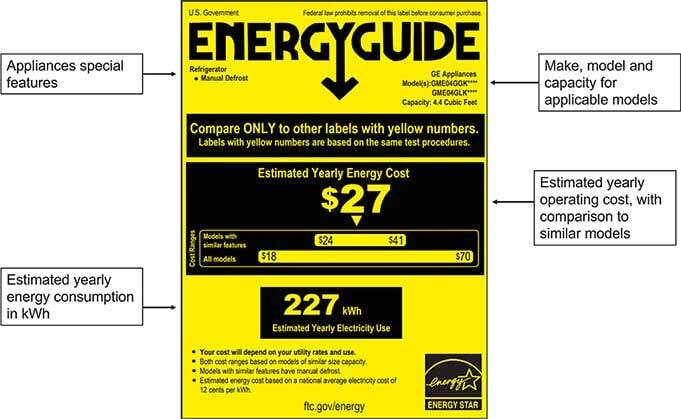
Image Source: www.mediproducts.net
Grasping Basic Electricity
To talk about how much power a fridge uses, we need to know a few basic ideas.
Electricity flows like water through a pipe.
- Volts (V): Think of this as the water pressure in the pipe. It’s the force pushing the electricity. Most homes use 120 volts for things like fridges. Some big appliances might use 240 volts.
- Amps (A): Think of this as the amount of water flowing through the pipe at one time. It’s the rate of electric current flow.
- Watts (W): This is the total power being used. It’s like how much work the flowing water can do. It’s a measure of power.
- Watt-hours (Wh) or Kilowatt-hours (kWh): This is how much power is used over a period of time. Think of it as the total amount of water that has flowed. Electricity companies charge you based on how many kilowatt-hours you use.
The simple link between these is: Watts = Volts x Amps.
If you know two of these values, you can figure out the third. For example, if a fridge uses 120 volts and 4 amps when running, its running wattage is 120 V * 4 A = 480 W.
Deciphering Fridge Power Needs
Fridges need power in two different ways:
- Startup Power: This is a short burst of power needed to get the fridge’s compressor motor started. Motors need a lot of energy to begin moving. This is the
startup amps refrigerator. It lasts only for a second or two. - Running Power: This is the power needed to keep the compressor running once it’s started, or to power lights, fans, and the defrost heater. This is the
running amps refrigerator. It is much lower than the startup amps.
Startup Amps Explained Simply
Imagine pushing a heavy box. It takes a lot of force to get it moving from a dead stop. Once it’s sliding, it takes less force to keep it going. A fridge compressor is similar. It needs a big surge of startup amps refrigerator to overcome the initial resistance and start pumping the refrigerant. This surge is short but strong. It can be 3 to 6 times higher than the running amps. For a fridge that runs at 4 amps, the startup amps could be 12 to 24 amps. This high but brief draw is important for things like generators or circuits.
Running Amps Explained Simply
Once the compressor is running, it uses less power. This is the running amps refrigerator. This is the amp number you will see most of the time the fridge is cooling. It’s a steady draw of power. It keeps the fridge cold by moving refrigerant through the system. The running amps are much lower than the startup amps because the motor is already in motion. The running amps refrigerator is what you usually see listed on the fridge’s label for its normal operation. It might be 3 to 5 amps for a regular home fridge.
Typical Amp Numbers For Fridges
It’s hard to give one exact number for how many amps a fridge takes. It’s like asking how much gas a car uses. It depends on the car!
Here are some general numbers:
- Standard Kitchen Fridge:
Startup Amps Refrigerator: Can range from 10 to 20 amps or more.Running Amps Refrigerator: Usually between 3 and 5 amps.
- Mini Fridge:
Startup Amps Refrigerator: Lower than a big fridge, maybe 5 to 10 amps.Running Amps Refrigerator: Often 1 to 2 amps. This is themini fridge amp draw.
- Larger or Older Fridges: May use more amps than average.
- Very Efficient Fridges: May use fewer amps than average.
These numbers are just estimates. The actual number is on the fridge’s rating plate.
How to Find Your Fridge’s Amp Draw
Look inside your fridge, usually on a side wall, near the door, or on the back. There is a sticker or plate called the rating plate. This plate tells you important information.
It will list the:
* Model number
* Serial number
* Refrigerator Voltage (like 115V or 120V)
* Running Amps Refrigerator (often listed as “AMPS” or “FULL LOAD AMPS” – FLA)
* Refrigerator Wattage (often listed as “WATTS” or “INPUT WATTS”)
Sometimes, the startup amps are not listed. But knowing the running amps and voltage is key to figuring out refrigerator power consumption.
Here is a simple table showing typical ranges:
| Fridge Type | Typical Running Amps | Typical Startup Amps (Estimate) | Typical Running Watts (at 120V) |
|---|---|---|---|
| Mini Fridge | 1 – 2 A | 5 – 10 A | 120 – 240 W |
| Standard (15-20 cu ft) | 3 – 5 A | 10 – 20 A | 360 – 600 W |
| Large (20+ cu ft) | 4 – 6 A | 15 – 25 A | 480 – 720 W |
| Older Fridge | Can be higher | Can be higher | Can be higher |
Remember, these are averages. Your specific fridge might be different.
What Makes Amp Draw Change?
Many things can affect how many amps a fridge uses. It’s not a fixed number all the time.
Size Matters
A bigger fridge needs more power to cool a larger space. It has a larger compressor. This means it will generally have higher running amps refrigerator and startup amps refrigerator compared to a smaller one. A mini fridge amp draw is much less than a large side-by-side fridge.
Age of the Fridge
Older fridges are usually less energy efficient. They often have older parts that need more power to work. Seals might be worn, letting cold air out. The compressor might not be as efficient as a new one. This means older fridges often have higher fridge power consumption and amp draw.
How Well It’s Sealed
If the door seals are broken or worn, cold air escapes. The fridge has to work harder to stay cold. This means the compressor runs more often and for longer times. This increases the average refrigerator power usage. Check your seals by closing the door on a piece of paper. If you can pull the paper out easily, the seal might be bad.
Temperature Settings
If you set your fridge or freezer to be very cold, the compressor will run more often to reach and keep that low temperature. This increases the total time the fridge is using its running amps refrigerator.
How Full It Is
A full fridge actually uses energy more efficiently in some ways. The food items act like insulation, holding the cold better. However, putting many warm items in at once makes the fridge work hard to cool them down. Finding a good balance is best.
How Often You Open the Door
Every time you open the door, cold air escapes and warm air comes in. The fridge has to use power to cool that new warm air down. Opening the door less often keeps the cold air inside. This lowers the average refrigerator power usage.
Room Temperature
If the room where the fridge is placed is very warm, the fridge has to work harder to keep its inside cold. This means the compressor runs more often. If the room is very hot (like a garage in summer), the running amps refrigerator might be slightly higher because the motor is working harder, and it will run for much longer periods.
The Defrost Cycle
Most fridges have a defrost cycle. Periodically, a heater melts any ice buildup on the cooling coils. This heater uses power. It increases the fridge’s fridge power consumption for a short time. The defrost heater uses a different amount of power than the compressor.
Refrigerator Wattage: Amps and Watts Together
While amps tell you the flow of electricity, watts tell you the total power used at any moment. How many watts does a refrigerator use is often a clearer way to think about its power use for cost.
As we saw, Watts = Volts x Amps.
A fridge running at 120V and 4 amps uses 480 watts. This is its refrigerator wattage while the compressor is on. Lights, fans, and the defrost heater also use watts.
When you look at a fridge’s label, it might list amps or watts, or both. Knowing both is helpful. Amps are important for circuit breakers and wiring. Watts are important for figuring out energy use and cost.
Calculating Refrigerator Power Consumption
Knowing the amps or watts helps you estimate how much electricity your fridge uses over time. This is measured in kilowatt-hours (kWh). Power companies charge you by the kWh.
Here is how to do a simple calculation:
- Find the Running Wattage: Look at the fridge label for watts. If only amps are listed, multiply amps by volts (usually 120V) to get approximate watts. Let’s say the running wattage is 500 W.
- Estimate How Long It Runs: A fridge compressor does not run all the time. It cycles on and off. How often it runs depends on all the factors we talked about (temperature, door openings, etc.). On average, a fridge compressor might run about 8 to 12 hours a day, but this is a rough guess. Let’s say it runs 10 hours a day.
- Calculate Daily Watt-hours: Multiply running wattage by the hours it runs: 500 W * 10 hours = 5000 Watt-hours per day.
- Convert to Kilowatt-hours: There are 1000 watts in 1 kilowatt. So, divide Watt-hours by 1000: 5000 Wh / 1000 = 5 kWh per day.
- Calculate Monthly or Yearly Use:
- Monthly: 5 kWh/day * 30 days = 150 kWh per month.
- Yearly: 5 kWh/day * 365 days = 1825 kWh per year.
This calculation gives you the refrigerator power consumption. You can use your electricity bill to find the cost per kWh in your area and then estimate the running cost.
Using a Refrigerator Power Consumption Calculator
There are online tools or simple meters you can buy that make this easier.
- Online Calculators: You can search for a
refrigerator power consumption calculatoronline. You usually enter the fridge’s wattage (or amps and voltage) and maybe an estimate of how many hours it runs per day. The calculator then tells you the estimated daily, monthly, or yearly kWh use. - Kill A Watt Meter: This is a simple device you plug into the wall outlet. Then you plug your fridge into the meter. The meter measures the actual power (watts, amps, voltage) being used over time. You can leave it plugged in for a few days to get a very accurate reading of the fridge’s total kWh usage. This is the best way to know your fridge’s true
average refrigerator power usage.
Energy Efficiency Ratings: Saving Power
This is where the energy efficiency rating fridge comes in. Fridges made today use much less power than fridges made years ago, even if they are the same size.
The EnergyGuide Label
In many countries, new appliances like fridges must have an EnergyGuide label. This yellow label gives you important information:
* The estimated yearly energy use in kWh.
* A comparison range showing how this model compares to others of the same size and type.
* An estimate of the yearly operating cost, based on average electricity prices.
Looking at this label helps you compare different models. A fridge with a lower estimated yearly kWh number is more energy efficient. It will use less power, lower its fridge power consumption, and cost less to run over time.
Energy Star Certification
The Energy Star label is a voluntary program. Products with the Energy Star label meet strict energy efficiency guidelines set by the government. An Energy Star certified fridge uses significantly less energy than standard models. Choosing an Energy Star fridge means lower average refrigerator power usage, lower electricity bills, and less impact on the environment. They achieve this lower power use through better insulation, more efficient compressors, and better temperature management. This means lower running amps refrigerator and less overall power consumption.
Why Are Amps Important Beyond Power Use?
Knowing the amp draw of your fridge is important for reasons other than just how much electricity you use.
Circuit Capacity
Every circuit in your home’s electrical panel (the breaker box) has a limit to how much current (amps) it can safely handle. Common circuits are 15 amps or 20 amps.
- If you plug a fridge into a circuit that also powers many other things, the total amp draw could be too high.
- The
startup amps refrigeratorare especially important here. Even though it’s for a second, that surge must not push the circuit’s limit too high. - If the total amps drawn on a circuit go over its limit, the circuit breaker will “trip” or a fuse will blow. This cuts off power to prevent wires from getting too hot and causing a fire.
- Ideally, a fridge should be on its own dedicated circuit. This is often required by electrical codes, especially for the
refrigerator voltageandstartup amps refrigeratordraw. This ensures the fridge has enough power and doesn’t overload a circuit being used by other appliances.
Generators and Inverters
If you want to power your fridge with a generator during an outage or with an inverter in an RV or off-grid system, you need to know its power needs.
- The generator or inverter must be able to handle the fridge’s
startup amps refrigerator. This surge is often the biggest requirement. If the generator can’t supply that brief surge, the fridge won’t start. - It also needs to handle the
running amps refrigeratorcontinuously. - Look at the generator’s “starting watts” or “peak watts” rating and its “running watts” rating. These numbers must be higher than your fridge’s needs. Use a
refrigerator power consumption calculatoror a meter to know the exact needs.
Extension Cords
Using the wrong extension cord can be dangerous. If you need to use an extension cord for your fridge:
- Make sure the cord is rated for the amount of power the fridge uses. The rating will be in amps or watts.
- The cord must be thick enough (have a low gauge number). A thin cord (high gauge number) cannot handle the amps and can overheat, causing a fire.
- Ideally, plug your fridge directly into a wall outlet. If you must use an extension cord, use a heavy-duty appliance cord rated for at least the
startup amps refrigerator.
Mini Fridge Amp Draw: A Special Case
A mini fridge amp draw is much lower than a standard kitchen fridge. This makes them more flexible in terms of where you can plug them in.
- Running Amps: Typically 1 to 2 amps.
- Startup Amps: Usually 5 to 10 amps.
- Wattage: Around 100 to 250 watts when running.
Because their power needs are low, mini fridge amp draw is less likely to overload a circuit compared to a full-size fridge. This is why you can often plug them into regular wall outlets in bedrooms or offices without issues. However, it’s still wise not to plug many other high-power devices into the same outlet or circuit.
Comparing Different Fridge Types
Different styles of fridges can have slightly different power use patterns, even for the same size.
- Top Freezer: Often the most energy-efficient style because warm air naturally rises, helping the freezer stay cold with less work. Generally lower
fridge power consumption. - Bottom Freezer: Less efficient than top freezer because the compressor must push cold air down. Still relatively efficient.
- Side-by-Side: Doors don’t seal as tightly as single large doors. The freezer section is less wide, which can make it harder to organize efficiently without blocking air flow. Can have higher
average refrigerator power usagethan top/bottom freezer models of similar size. - French Door: Similar to side-by-side in door layout. Often have more features (ice makers, water dispensers) which add to
refrigerator power consumption.
Features like through-the-door ice and water dispensers, extra temperature zones, and smart features can increase refrigerator wattage and overall power use.
Keeping Your Fridge Running Efficiently
Even an efficient fridge can use more power than it should if it’s not kept well. Simple maintenance helps keep fridge power consumption lower.
- Clean the Condenser Coils: These are usually on the back or underneath the fridge. Dust and dirt build up on them. This makes it harder for the fridge to release heat. The compressor has to work harder and run longer. Cleaning the coils with a vacuum cleaner attachment or brush a few times a year can lower
average refrigerator power usage. - Check Door Seals: As mentioned before, bad seals let cold air out. Check them often and clean them. Replace them if they are torn or don’t seal well.
- Keep it Full (but not too full): A reasonably full fridge holds cold better. But don’t pack it so full that air can’t circulate. Blocking vents makes the fridge work harder.
- Location Matters: Don’t put your fridge right next to a hot oven or in direct sunlight. Don’t push it right against the wall; allow some space for air to move around the coils.
- Proper Temperature: Set the fridge between 35-38°F (1.7-3.3°C) and the freezer at 0°F (-18°C). Colder settings use more power.
By taking care of your fridge, you keep its running amps refrigerator and overall fridge power consumption as low as possible.
Calculating Cost from Amp Draw (Simplified)
You can roughly estimate the cost if you know the running amps refrigerator, the voltage, and how much your power company charges.
- Find running amps (e.g., 4 amps) and voltage (e.g., 120V).
- Calculate running watts: 4 A * 120 V = 480 W.
- Estimate daily running hours (e.g., 10 hours).
- Calculate daily Watt-hours: 480 W * 10 hours = 4800 Wh.
- Convert to daily kWh: 4800 Wh / 1000 = 4.8 kWh.
- Find your electricity rate (e.g., $0.15 per kWh).
- Calculate daily cost: 4.8 kWh * $0.15/kWh = $0.72 per day.
- Calculate monthly cost: $0.72/day * 30 days = $21.60 per month.
This is an estimate. The actual cost depends on how often your compressor cycles, the defrost cycle, and other factors. Using a refrigerator power consumption calculator or a meter gives a better idea.
Fathoming Refrigerator Power Use Summary
So, how many amps does a fridge take? There’s no single number.
Startup amps refrigeratorare high (10-25+ A) but last only a moment.Running amps refrigeratorare much lower (usually 3-6 A for a standard fridge, 1-2 A for a mini fridge). This is themini fridge amp draw.- The
refrigerator voltageis almost always 120V in the US. Refrigerator wattage(Watts = Volts x Amps) tells you the power used when running.How many watts does a refrigerator usehelps figure out energy cost.Fridge power consumptionover time is measured in kWh. Theaverage refrigerator power usagevaries greatly by model and how it’s used.- The
energy efficiency rating fridgeand age are big factors in how much power is used. Newer, Energy Star models use much less. - Checking the fridge’s label or using a
refrigerator power consumption calculatoror meter gives the most accurate information.
Understanding these numbers helps you know what circuit your fridge needs, what size generator you might need, and roughly how much it costs to run. It also shows why choosing an energy-efficient model and keeping it well-maintained saves energy and money.
Frequently Asked Questions (FAQ)
h4: Do new fridges use fewer amps than old ones?
Yes, generally. New fridges are designed to be much more energy efficient. They use better insulation and more efficient compressors. This means they need fewer running amps refrigerator and use less total refrigerator wattage over time compared to older models of the same size.
h4: Can a fridge plug into any wall outlet?
Most standard fridges need a dedicated 15-amp or 20-amp circuit. While they might run on a shared circuit if nothing else is on, the high startup amps refrigerator can easily trip a breaker if other devices are also drawing power. It’s best and often required by code for a fridge to have its own circuit. Mini fridge amp draw is much lower, so they are less likely to cause issues on a shared circuit.
h4: What is the difference between amps and watts for a fridge?
Amps measure the electric current flow (like water flow rate). Watts measure the total electric power being used (like the power of the water flow to do work). Watts = Volts x Amps. Amps are key for circuit sizing and safety. Watts are key for measuring total energy use (refrigerator power consumption) and figuring out the cost.
h4: How can I lower my fridge’s power use?
You can lower its average refrigerator power usage by:
* Making sure door seals are good.
* Cleaning the condenser coils regularly.
* Not setting the temperature colder than needed.
* Letting hot food cool down before putting it inside.
* Not leaving the door open for a long time.
* Ensuring it has space around it for air flow.
h4: Does the size of the fridge affect how many amps it uses?
Yes, generally. Larger fridges need larger compressors to cool more space. This means they usually have higher running amps refrigerator and startup amps refrigerator compared to smaller fridges or a mini fridge amp draw.
h4: Where do I find the amp rating for my fridge?
Look for the rating plate or sticker inside your fridge. It’s often on a side wall, near the door, or on the back. It will list the refrigerator voltage, running amps refrigerator (often just listed as AMPS or FLA), and sometimes the refrigerator wattage.
h4: Is the startup amp number important?
Yes, very important, especially for circuit breakers, generators, or inverters. The startup amps refrigerator are much higher than the running amps for a brief moment. The circuit or power source must be able to handle this short surge, or it will trip the breaker or fail to start the fridge.
h4: What is a good energy efficiency rating fridge?
Look for the EnergyGuide label and check the estimated yearly kWh use. Lower is better. Also, look for the Energy Star certification. An Energy Star fridge is independently certified to be highly energy efficient, meaning lower fridge power consumption and lower running costs.