
So, how good is pizza for in the fridge? Pizza is generally quite good for keeping in the fridge for a few days if you put it away properly and quickly. It offers a fast meal you can grab cold or heat up later. But knowing the right way to store it and how long it lasts is key to enjoying it safely and keeping it tasty.
Leftover pizza is a common treat. Many people love eating it straight from the fridge. Others prefer it warmed up. Either way, keeping it safe to eat is the most important thing. This guide will walk you through everything about pizza in the fridge, from how long it lasts to the best ways to store and enjoy it.
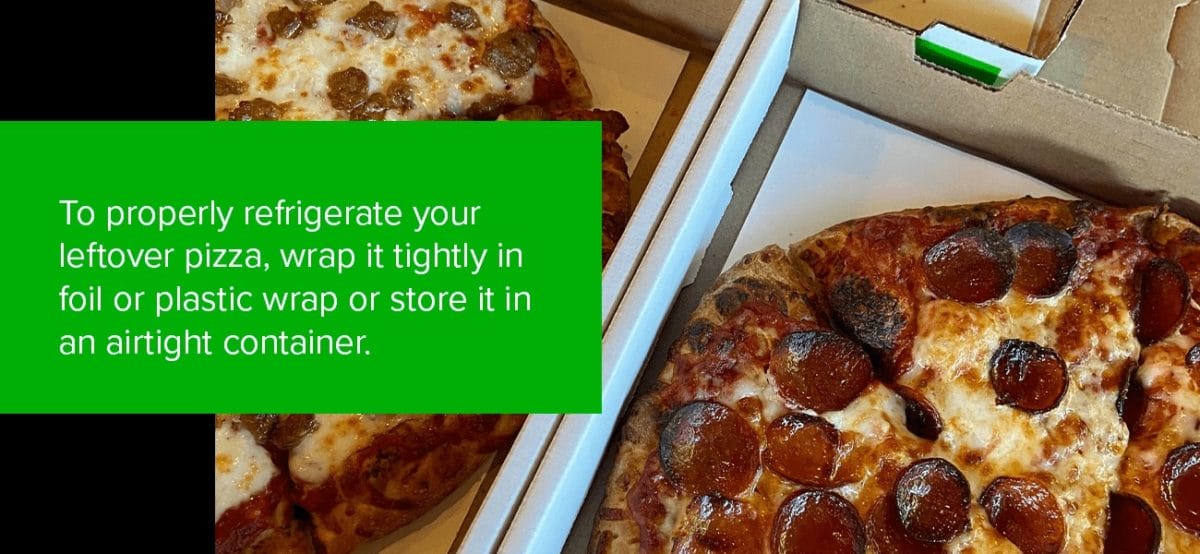
Image Source: e5w6okk9pni.exactdn.com
How Long Pizza Stays Good
Knowing how long is pizza good in fridge is important. Most guides say leftover pizza is good for 3 to 4 days. This assumes you put it in the fridge soon after it cooled down. If pizza sits out at room temperature for too long, it won’t last as long in the fridge.
Leftover Pizza Shelf Life Explained
The leftover pizza shelf life depends on a few things.
* How fresh was the pizza when you stored it?
* How quickly did you put it in the fridge?
* How well did you store it?
* What toppings are on the pizza? (Meat and dairy spoil faster)
The 3 to 4-day rule is a general guide. Always check for signs that the pizza might be bad.
Getting Pizza Ready for the Fridge
Properly storing leftover pizza starts before it even goes in the fridge. Don’t leave it out for hours. Food safety experts talk about a “danger zone.” This is between 40°F and 140°F (4°C and 60°C). Germs grow fast in this heat range.
The Danger Zone
Pizza should not stay in the danger zone for more than two hours. If the room is very warm (above 90°F or 32°C), it should only be out for one hour. After this time, germs might have grown too much. Eating it could make you sick. So, cool your pizza down a bit, then put it in the fridge fast.
Cooling Pizza Down
Let the pizza cool slightly before storing. Putting very hot pizza straight into the fridge can raise the temperature inside the fridge. This can affect other foods. Let it sit out for maybe 30 minutes. Then, pack it up and put it away.
The Best Ways to Store Pizza
The best way to store pizza helps keep it fresh and stops it from getting dry or soggy. Just putting the pizza box in the fridge is not the best idea. The cardboard box doesn’t seal well. Air gets in, drying out the crust and toppings. Also, the box can pick up smells from other foods.
Wrapping It Up Right
You need to cover the pizza well. This protects its quality of refrigerated pizza.
* Option 1: Plastic Wrap and Foil: Wrap individual slices tightly in plastic wrap. Then, wrap the bundle again in aluminum foil. This gives a good seal.
* Option 2: Airtight Containers: Put slices into an airtight food container. This is a great choice. Make sure the container is the right size. Don’t leave too much empty space.
* Option 3: Zip-Top Bags: Press out as much air as you can. This works well for single slices or a few pieces.
Why Good Storage Matters
Good storage stops air and smells from getting to the pizza. It also helps keep moisture in or out, depending on what you want. A good seal is key to food safety leftover pizza and taste.
Is Cold Pizza Safe to Eat?
A big question many people have is is cold pizza safe to eat. The answer is yes, as long as it was stored correctly and within the safe time limit (3-4 days).
Safety Checks
Eating cold pizza is safe if:
* You put it in the fridge within 2 hours of cooking (or 1 hour if very hot).
* It has been in the fridge for no more than 3-4 days.
* It looks and smells okay (no mold, weird smells, or slimy texture).
If these checks pass, dig in! Many people enjoy the taste of cold pizza just as it is.
The Experience of Eating Cold Pizza
Eating cold pizza is a unique thing. It’s different from eating it hot from the oven.
The Taste Changes
The taste of cold pizza is often more intense for some parts. Tomato sauce flavors can deepen. Cheese becomes firm. Some people find the different parts of the pizza stand out more when cold. It’s a quick, ready-to-eat snack or meal. No waiting needed.
The Texture Changes
The texture of leftover pizza changes a lot when it cools down.
* Crust: The crust usually gets firmer and sometimes chewy. It loses its crispness. Thin crusts might get a bit tough. Thicker crusts can become dense.
* Cheese: The cheese becomes hard and solid. It doesn’t stretch like hot cheese.
* Toppings: Meat, vegetables, and other toppings hold their shape more. They don’t have that soft, melty feel.
For many, these texture changes are part of the charm of cold pizza. It feels more solid and easy to handle.
Reheating Your Refrigerated Pizza
While some love cold pizza, others prefer to warm it up. Reheating refrigerated pizza can bring back some of its fresh qualities. But the method you use makes a big difference.
Different Ways to Reheat
Here are common ways to reheat leftover pizza:
h5 Oven Reheating
- How to: Put pizza on a baking sheet. Heat oven to around 350°F (175°C). Bake for 8-10 minutes. Watch it closely so it doesn’t burn.
- Pros: Helps the crust get crispy again. Melts the cheese nicely. Can reheat multiple slices at once.
- Cons: Takes more time than other methods. Heats up the kitchen.
h5 Stovetop Reheating
- How to: Put pizza slice in a non-stick pan on medium-low heat. Cook for a few minutes until the bottom is crispy. Add a few drops of water to the pan (not on the pizza). Cover the pan with a lid for a minute or two. The steam helps melt the cheese.
- Pros: Makes the bottom crust very crispy. Fast for one or two slices.
- Cons: Only works well for one or two slices at a time. Need to watch it carefully.
h5 Microwave Reheating
- How to: Place pizza slice on a microwave-safe plate. Microwave for 30 seconds to 1 minute. Time depends on the microwave.
- Pros: Very fast and easy.
- Cons: Often makes the crust soggy and chewy. Can make the cheese rubbery. The texture of leftover pizza suffers the most with this method.
h5 Air Fryer Reheating
- How to: Place pizza slice in the air fryer basket. Cook at around 350°F (175°C) for 3-5 minutes.
- Pros: Makes the crust very crispy. Fast. Melts the cheese well.
- Cons: Usually only fits one or two slices at a time.
Table of Reheating Methods
| Method | Speed | Crust Crispness | Cheese Melt | Best For |
|---|---|---|---|---|
| Oven | Medium | Good | Very Good | Multiple slices |
| Stovetop | Fast | Excellent | Good | 1-2 slices |
| Microwave | Very Fast | Poor | Fair | Quickest grab |
| Air Fryer | Fast | Excellent | Good | 1-2 slices |
Choosing how to reheat your pizza depends on what you want. If you want the best quality, the oven or stovetop/air fryer are better. If you need it fast, the microwave works, but the quality of refrigerated pizza will be lower after heating.
Keeping Pizza Safe and Fresh
Beyond just storing pizza well for a few days, what else helps? Proper food safety leftover pizza is key.
Time Limits Are Important
Stick to the 3-4 day rule for pizza in the fridge. This is the guide from food safety experts. Even if it looks okay after 5 days, it might not be safe. Germs that cause illness don’t always make food look or smell bad.
Watch What’s On It
Pizza with lots of meat or seafood toppings might spoil faster than a plain cheese or vegetable pizza. When in doubt, it’s better to throw it out. This is part of smart food safety leftover pizza.
What to Look For
Before eating leftover pizza, check it:
* Look: Is there any mold? Is the color strange? Does the crust look weirdly dry or slimy?
* Smell: Does it smell off? Any sour or strange smells mean it’s likely bad.
* Feel: Is any part slimy?
If you see or smell anything wrong, don’t eat it.
Getting the Most From Refrigerated Pizza
To enjoy the best quality of refrigerated pizza, follow these tips:
- Cool Quickly: Don’t leave pizza out for hours. Box it up or wrap it after it cools a little (under 30 mins).
- Store Properly: Use airtight containers or wrap tightly. This is the best way to store pizza. It protects the flavor and texture.
- Keep Cold: Make sure your fridge is at the right temperature (40°F or 4°C or below).
- Eat or Freeze: Plan to eat fridge pizza within 3-4 days. If you won’t eat it that soon, freeze it. Freezing can extend the leftover pizza shelf life for a month or two.
Thinking About Texture and Taste Again
Let’s think about the taste of cold pizza and the texture of leftover pizza one more time. Why do some people love it so much?
- Convenience: It’s ready to eat right away. Perfect for a fast lunch or late-night snack.
- Different Flavor: Some enjoy how the flavors change and become more defined when cold.
- Nostalgia: For many, eating cold pizza is a memory from childhood or college days. It feels comfortable and familiar.
- Chewy Texture: The firm, chewy crust and hard cheese are not seen as bad things by everyone. Some prefer this solid feel.
So, while the quality might change from hot, fresh pizza, the refrigerated version offers its own kind of good experience.
Handling Different Types of Pizza
Does the type of pizza matter for fridge life? Yes, a little.
- Thin Crust: Gets very firm or hard when cold. Reheats fast but can dry out.
- Thick Crust/Deep Dish: Stays softer in the middle when cold. Takes longer to reheat evenly.
- Veggie Pizza: Vegetables can release moisture, sometimes making the crust soggy.
- Meat Lover’s: Needs careful attention to the 3-4 day rule due to meat spoilage risk.
Regardless of type, proper storing leftover pizza is always the most important step for safety and quality.
Summing Up Fridge Pizza Goodness
Pizza in the fridge can be very good. It’s a handy, ready-to-eat meal. The leftover pizza shelf life is usually 3-4 days when stored right. Storing leftover pizza in airtight containers or wrapped well is the best way to store pizza. This helps keep its quality of refrigerated pizza.
Yes, is cold pizza safe to eat if it was put away fast and kept cold for under 4 days. Always follow food safety leftover pizza rules. The taste of cold pizza and texture of leftover pizza are different from fresh, but many enjoy them. Reheating refrigerated pizza is easy with methods like oven, stovetop, or air fryer to bring back crispness. The microwave is fast but hurts quality.
So next time you have leftover pizza, don’t just leave it in the box. Store it well and enjoy it cold or reheated within a few days!
Frequently Asked Questions
h4 How long can pizza sit out before I need to fridge it?
Pizza should not sit out at room temperature for more than 2 hours. If the room is warmer than 90°F (32°C), the limit is 1 hour. Put it in the fridge quickly after it cools down a bit.
h4 Can I eat pizza that’s been in the fridge for 5 days?
It’s safer not to. Food safety guides say 3-4 days is the limit for refrigerated leftovers like pizza. After 4 days, the risk of harmful germs growing goes up, even if it looks okay.
h4 Does freezing pizza help it last longer?
Yes! Freezing pizza stops germs from growing. You can freeze leftover pizza for 1-2 months. Wrap slices very well to avoid freezer burn. Thaw in the fridge before reheating.
h4 Why does my reheated microwave pizza get rubbery?
Microwaves heat food unevenly by exciting water molecules. This process often steams the crust and makes the cheese hard and rubbery instead of melting smoothly. Other methods like oven or stovetop heat more evenly.
h4 Is it okay to stack different foods on top of stored pizza in the fridge?
It’s better not to. Liquid from other foods could drip onto the pizza if it’s not sealed perfectly. This is a food safety leftover pizza concern and also affects pizza quality. Store pizza in its own sealed container or on a shelf where nothing will drip on it.
h4 How can I make cold pizza taste better?
Some people add a little salt or red pepper flakes. Others dip it in sauce. Mostly, if you like cold pizza, you like its unique cold taste. If not, reheating is your best bet!
h4 Does wrapping pizza in foil or plastic wrap work better?
Both work well if done tightly. Plastic wrap gives a very close seal to the food itself. Foil wrapped around plastic wrap or containers adds extra protection from air and smells. Airtight containers are usually the easiest and most effective for storing leftover pizza well.