
When your air conditioner keeps turning on and off quickly, this is often called short cycling. It means your AC unit starts its cooling job but stops before it finishes a full cycle. Many things can cause this. It could be a simple fix like a dirty filter or a bigger problem like low refrigerant or a failing part. Let’s look at why this happens and what you can do.
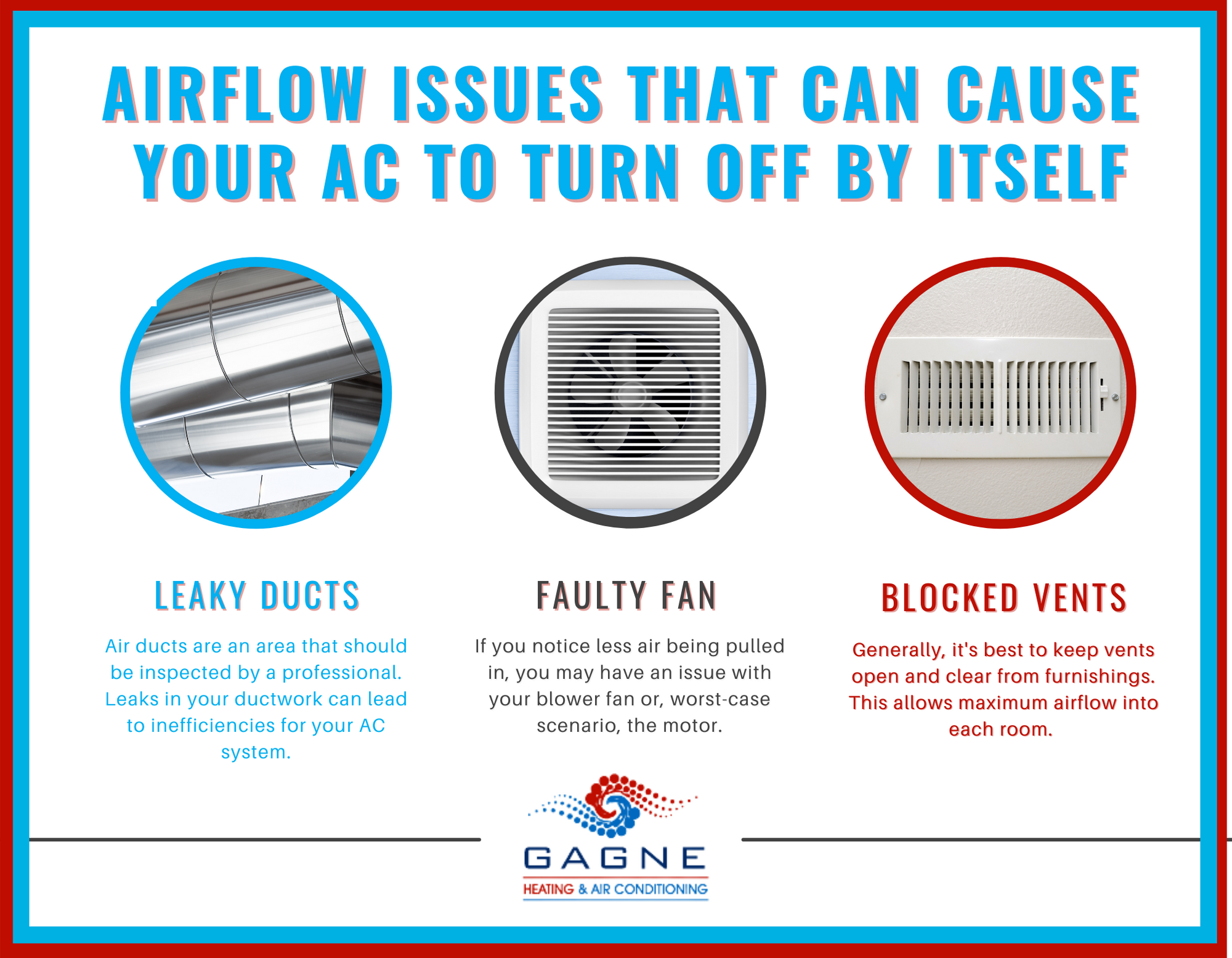
Image Source: gagneac.com
Deciphering Short Cycling in Your AC
Your air conditioner works in cycles. It turns on, cools your home until the set temperature is reached, and then turns off. This process should take a good amount of time, usually 15 to 20 minutes or more, especially on hot days. This lets the unit work well and cool your house right.
Short cycling is different. The unit turns on for just a few minutes, maybe 5 or 10, then turns off. It might do this over and over again. This is bad for your AC. It does not cool your home well. It also puts stress on the system’s parts. This can lead to damage and a shorter life for your AC.
Why Short Cycling Is a Problem
Short cycling is more than just annoying. It can hurt your AC system and your wallet.
- Poor Cooling: Your house won’t get cool enough. The AC stops before it removes enough heat and moisture. This is why you might notice your AC not cooling well even when it’s running.
- Wasted Energy: Starting an AC uses a lot of power. When it starts and stops often, it uses much more electricity than running for a long time. This makes your energy bills higher.
- System Damage: Each start puts stress on parts, especially the compressor. This can make parts wear out faster. It could lead to needing expensive repairs sooner than you should.
- Shorter Lifespan: Because parts wear out faster, your AC unit might not last as long as it should.
It is important to find out why your AC keeps shutting off quickly and fix it.
Exploring the Main Reasons Your AC Short Cycles
Many things can make your AC turn on and off too often. These range from small issues you can fix yourself to big ones needing a professional.
Dirty Air Filter: A Common Culprit
This is often the easiest problem to fix. Your air filter cleans the air before it goes into your AC system. If this filter gets clogged with dust and dirt, air cannot pass through easily.
How a Dirty Filter Causes Problems
- Blocked Airflow: A dirty filter is like trying to breathe with a hand over your mouth. Your AC needs to pull in a lot of air. A blocked filter stops this.
- Freezing Up: When not enough warm air reaches the indoor coil (the evaporator coil), the coil gets too cold. Moisture in the air freezes onto the coil. This creates a frozen evaporator coil.
- Overheating: The outdoor unit (condenser) also needs airflow to release heat. Poor airflow inside can cause problems outside too, leading to the system overheating.
- Safety Shutoff: AC systems have safety switches. These switches turn the unit off if things get too hot or too cold (due to freezing). A dirty air filter triggers these safeties, causing short cycling.
Think of it like this: The AC tries to work, but the airflow is so bad it quickly hits a safety limit and shuts off. Then it cools down a bit, tries again, and the same thing happens. This is classic HVAC cycling caused by poor airflow.
Checking Your Air Filter
- Find your air filter. It’s usually near the air handler (the indoor unit) or behind a return air vent.
- Pull it out. Hold it up to a light.
- If you can’t see light through it, it’s too dirty.
- Replace it with a clean one. Make sure you use the correct size and type.
Changing your air filter every 1-3 months is a simple way to prevent many AC problems, including short cycling and a frozen evaporator coil.
Frozen Evaporator Coil: A Chilling Issue
The evaporator coil is inside your house. It’s where the refrigerant gets cold and absorbs heat from your home’s air. If this coil freezes, it can cause your AC to short cycle or stop working.
What Makes the Coil Freeze?
Several things can cause a frozen evaporator coil:
- Very Dirty Air Filter: As we talked about, low airflow from a blocked filter is a top reason.
- Low Refrigerant: If your system doesn’t have enough refrigerant, the pressure drops. This makes the evaporator coil get too cold, below freezing.
- Blocked Return Vents: If vents that pull air into the system are blocked by furniture or curtains, it reduces airflow, just like a dirty filter.
- Fan Problems: If the fan that blows air over the coil isn’t working right, air doesn’t move across the cold coil.
Why Ice Causes Short Cycling
Once ice forms on the coil, it blocks airflow even more. This makes the problem worse.
- No Airflow: A thick layer of ice completely stops air from passing over the coil.
- Sensor Trip: The AC system has sensors to detect if something is wrong. If the coil is too cold or iced over, a sensor tells the system to shut down. This stops the compressor to prevent damage.
- Unit Rests: The unit shuts off. The ice might start to melt a little. Then the AC turns on again, only to quickly freeze up again due to the original problem. This leads to AC keeps shutting off and short cycling.
Fixing a Frozen Coil
- Turn off the AC unit at the thermostat and the breaker box.
- Let the ice melt completely. This can take several hours, or even a full day on humid days. You can speed it up by running the fan (if your system allows it) with the cooling turned off, but fixing the root cause is key.
- While it’s melting, find the cause. Check and change your air filter. Make sure supply and return vents are open.
- If the filter is clean and vents are open, the problem could be low refrigerant or a fan issue, which needs a professional.
Do not run the AC while the coil is frozen. This can damage the compressor.
Low Refrigerant: The System’s Lifeblood Problem
Refrigerant (like Freon) is the substance that cools your home. It moves heat from inside to outside. Your AC system is sealed. The amount of refrigerant put in at the factory is the correct amount. If it’s low, it means there is a leak somewhere.
How Low Refrigerant Causes Short Cycling
- Low Pressure: Low refrigerant means lower pressure in the system. This causes the evaporator coil to get too cold, leading to a frozen evaporator coil.
- Overheating Compressor: The refrigerant also helps cool the compressor in the outdoor unit. Not having enough refrigerant makes the compressor work harder and get too hot.
- Safety Shutoff: Systems have safety switches that turn off the unit if the pressure is too low or high, or if the compressor overheats.
- Inefficient Cooling: With low refrigerant, the unit struggles to cool the air. It might run for a short time, fail to reach the set temperature quickly, and then shut off due to a safety limit or stress. This results in AC not cooling properly and short cycling.
Signs of Low Refrigerant
- Your house isn’t cooling well (AC not cooling).
- Ice on the evaporator coil or the refrigerant line outside.
- Hissing or bubbling sounds (this can be a sign of a leak).
- Higher energy bills.
Fixing Low Refrigerant
Adding refrigerant is not a DIY job. You need a certified HVAC technician. They have the right tools and knowledge.
- A technician must find and fix the leak.
- Then, they will add the correct amount of refrigerant to the system.
Just adding refrigerant without fixing the leak is a waste of money and bad for the environment. Low refrigerant is a common, but serious, cause of short cycling.
Thermostat Problems: The Control Center is Confused
Your thermostat is the brain of your AC system. It tells the AC when to turn on and off based on the temperature settings in your home. If the thermostat isn’t working right, it can send wrong signals, causing short cycling.
Ways a Thermostat Can Cause Issues
- Wrong Settings: Simple things like setting the fan to “On” instead of “Auto” can sometimes affect cycles, though usually this just keeps the fan running. More likely, programming errors or hold settings can confuse things.
- Bad Location: If the thermostat is in direct sunlight, near a heat source (like a lamp or appliance), or on an outside wall that gets very hot or cold, it can read the temperature wrong. It might think the room is cool enough and turn off the AC too soon.
- Faulty Unit: The thermostat itself can fail. Worn parts or faulty sensors can cause it to read the temperature incorrectly or send garbled signals to the AC unit.
- Wiring Issues: Loose or damaged wires connecting the thermostat to the AC system can cause the unit to stop and start unexpectedly.
Checking Your Thermostat
- Make sure the settings are correct (Cool mode, right temperature).
- Check that it’s not in direct sunlight or near anything hot.
- Change the batteries if it’s a battery-powered digital thermostat. Low batteries can cause strange behavior.
- If you suspect a faulty unit or wiring, it’s best to call a technician. They can test the thermostat and its connections.
Thermostat problems are a common cause of incorrect HVAC cycling. Sometimes the thermostat thinks it’s reached the target temperature too fast, leading to short cycling.
Capacitor Failure: The Starting Problem
Capacitors are electrical parts in your AC unit. They give a quick boost of electricity to help start the motors, like the fan motor and the compressor motor. There are usually ‘start’ capacitors and ‘run’ capacitors. If a capacitor fails, the motor it helps won cannot start or run correctly.
How a Bad Capacitor Leads to Short Cycling
- Motor Won’t Start: If a start capacitor is bad, the motor it serves might hum but fail to start. The system’s safety controls will sense this and shut the unit down to prevent damage.
- Motor Struggles: If a run capacitor is failing, the motor might start but struggle to run smoothly or at full power. It might overheat and cause the system to shut off via a safety switch.
- Attempting to Start: The AC system tries to start the motor, it fails, it shuts down. Then it tries again a few minutes later. This repeated attempt and failure is short cycling.
Recognizing Capacitor Issues
- The outdoor unit hums but doesn’t start.
- The fan blade in the outdoor unit doesn’t spin, or spins slowly by hand but stops when power is on.
- The compressor makes a clicking noise but doesn’t run.
- The top of the capacitor looks swollen or bulging.
A capacitor failure is a very common reason for an AC unit to have trouble starting and thus short cycling or failing to run at all. Replacing a capacitor is a job for a technician as it involves working with high voltage electricity.
Compressor Issue: The Heart of the System Struggling
The compressor is a major part of the outdoor unit. It’s often called the heart of the AC system because it pumps the refrigerant. It’s an expensive part. If the compressor is having problems, it can cause the unit to short cycle as a way to protect itself.
What Can Go Wrong with a Compressor?
- Electrical Problems: Issues with the wiring, internal motor windings, or starting components (like start relays or capacitors – see above) can prevent the compressor from starting or running correctly.
- Mechanical Problems: Internal wear and tear, broken valves, or other mechanical failures can make the compressor seize up or run very inefficiently.
- Overheating: If the system has low refrigerant, is dirty, or has other airflow issues, the compressor can overheat. Modern compressors have internal thermal overload protectors that shut them down when they get too hot.
- Short Cycling Damage: Ironically, short cycling caused by other issues can damage the compressor over time. Each start is hard on the compressor.
How Compressor Problems Cause Short Cycling
- Safety Shutoff: If the compressor tries to start and fails (electrical or mechanical issue), or if it starts but quickly overheats, the system’s safety controls will shut it down.
- Repeated Attempts: The control board might try to restart the compressor after a delay. If the problem persists, it will keep shutting off quickly. This is AC keeps shutting off due to a major compressor issue.
Signs of a Compressor Problem
- Loud grinding, rattling, or clicking noises from the outdoor unit.
- The outdoor unit hums loudly but doesn’t run.
- The AC blows warm air (AC not cooling).
- The unit short cycling with these other symptoms.
Compressor issue is one of the most serious causes of short cycling. It often means an expensive repair or even replacing the entire outdoor unit. A qualified technician is definitely needed for this diagnosis and repair.
Oversized AC Unit: Too Much Power for the Job
Sometimes, an AC unit is simply too big for the space it’s trying to cool. This might sound like a good thing, but it can lead to short cycling and poor comfort.
Why an Oversized Unit Short Cycles
- Cools Too Fast: An oversized AC cools the house very quickly. It reaches the thermostat’s temperature setting in just a few minutes.
- Shuts Off Quickly: Because it cools the air so fast, the thermostat tells the unit to turn off before it runs for a normal cycle.
- Doesn’t Dehumidify: A key part of AC is removing moisture from the air. This happens effectively when the unit runs for a longer time. When an oversized unit short cycles, it doesn’t run long enough to properly dehumidify the air. This leaves your home feeling cool but damp and clammy, even though the air temperature is low.
- Repeats Quickly: The air temperature goes up again relatively fast (though the humidity remains high), and the unit starts up again, only to cool the air quickly and shut off again. This creates constant short cycling and poor comfort.
Signs of an Oversized Unit
- Your house cools down very quickly after the AC starts.
- Your home feels cold but damp or humid (AC not cooling effectively in terms of comfort).
- The AC unit constantly short cycles.
- Your energy bills might still be high because of the constant starting and stopping.
Fixing an oversized unit is difficult and often means replacing it with a properly sized one. Proper sizing involves calculating the home’s heat load based on size, windows, insulation, climate, etc. This is done before installing a new system. If you suspect your unit is oversized, a professional can confirm this.
Electrical Problems: Power Supply Issues
Problems with the electrical power going to your AC unit can also cause it to turn on and off incorrectly.
Types of Electrical Issues
- Loose Wiring: Connections at the thermostat, control board, or components can become loose. This can cause power to cut out suddenly.
- Bad Relays or Contactors: These are switches that turn power on and off to major components like the compressor and fan. If they are failing, they might not stay closed or might fail to make a connection.
- Overloaded Circuit: If the AC is on a circuit with too many other power-hungry devices, it could cause the breaker to trip.
- Control Board Issues: The main circuit board that controls the AC’s operations can fail or have glitches, sending wrong signals.
How Electrical Issues Cause Short Cycling
- Interrupted Power: Loose wires or bad relays can cause the power to the unit or a key component (like the compressor) to cut out suddenly.
- System Restarts: The system might try to restart after a power interruption. If the electrical problem is still there, it will just shut off again. This leads to the unit AC keeps shutting off rapidly.
Electrical work on an AC system is dangerous due to high voltage. Always call a qualified technician to diagnose and fix electrical problems.
Dirty Outdoor Unit (Condenser Coil): Releasing Heat Problems
The large unit outside your home is the condenser. It has coils that release the heat absorbed from your home into the outside air. If these coils are dirty, the unit cannot get rid of heat well.
How a Dirty Condenser Causes Issues
- Heat Buildup: Dirt, leaves, grass clippings, and debris on the outside coils act like a blanket. They trap heat.
- Overheating: The refrigerant and the compressor get too hot because they can’t release heat.
- Safety Shutoff: The compressor has an overload protector that shuts it down if it gets too hot. This protects the compressor from serious damage.
- Short Cycles: The unit runs, quickly overheats due to the trapped heat, shuts off via the safety switch. Then it cools a little, tries to run again, and the cycle repeats. This causes HVAC cycling problems.
Cleaning Your Outdoor Unit
- Turn off power to the outdoor unit at the disconnect switch near the unit and at the main breaker panel.
- Remove the outer panels (follow your owner’s manual).
- Gently brush away loose debris from the fins. Be careful not to bend the thin metal fins.
- Use a hose with moderate pressure to spray water from the inside of the coil outwards. This pushes dirt out.
- For stubborn dirt, you can use a special coil cleaner (found at HVAC supply stores) following the product instructions.
- Put the panels back on and restore power.
Cleaning the outdoor unit regularly (once a year or more if you have lots of trees/pets) can prevent overheating and short cycling.
Summary of Causes and Symptoms
Here’s a quick look at the main reasons your AC might be short cycling:
| Cause | What Happens | Common Symptoms | When to Call a Pro? |
|---|---|---|---|
| Dirty Air Filter | Blocks airflow, causes freezing or overheating. | Poor cooling, frozen coil, short cycling, weak airflow. | Only if other issues persist |
| Frozen Evaporator Coil | Ice buildup blocks airflow, causes safety shutoff. | Ice on indoor coil/lines, poor cooling (AC not cooling), short cycling. | If cause isn’t dirty filter |
| Low Refrigerant | Not enough coolant, causes freezing, overheating, low pressure. | Ice on coils/lines, poor cooling, hissing sounds, short cycling. | Always (requires license) |
| Thermostat Problems | Sends wrong signals, reads temp wrong, bad wiring. | Incorrect temperatures, unit cycles oddly, display issues, short cycling. | If settings check doesn’t fix |
| Capacitor Failure | Motors struggle or fail to start. | Humming from outdoor unit, fan or compressor not running, short cycling. | Always (electrical risk) |
| Compressor Issue | Heart of system failing, overheating, electrical/mechanical problems. | Unit humming/clicking loudly, blows warm air, AC keeps shutting off, short cycling. | Always (major repair) |
| Oversized AC Unit | Cools air too fast, doesn’t dehumidify, shuts off quickly. | House cools fast but feels humid, constant short cycling. | For diagnosis & sizing |
| Electrical Problems | Loose wires, bad relays, power issues. | Unit cuts out suddenly, acts erratically, AC keeps shutting off. | Always (electrical risk) |
| Dirty Condenser Coil | Cannot release heat, unit overheats. | Unit hot to touch, blows hot air weakly, short cycling. | If unsure or coil is damaged |
When to Call a Professional
While you can check your air filter and look for obvious ice or debris, many causes of short cycling need a trained HVAC technician.
You should call a professional if:
- You see ice and the air filter is clean and vents are open (could be low refrigerant or fan issue).
- You suspect low refrigerant (hissing sounds, poor cooling not fixed by filter).
- The outdoor unit is humming but not running, or making strange noises (capacitor failure, compressor issue).
- The unit is short cycling and you can’t find a simple cause.
- You suspect thermostat problems beyond simple settings.
- You notice electrical problems.
- The unit is old or has a history of issues.
- You just aren’t comfortable checking things yourself.
A technician has the tools and knowledge to properly diagnose the issue. They can find refrigerant leaks, test electrical components like capacitors, and assess the health of the compressor. Fixing the problem early can prevent more serious and costly damage down the road. Letting your AC short cycle for a long time can lead to major breakdowns.
Preventing Short Cycling
Some steps can help prevent your AC from short cycling:
- Change Air Filter Regularly: This is the simplest and most important step.
- Keep Vents Open: Make sure all supply and return vents in your home are open and not blocked.
- Clean Outdoor Unit: Keep the condenser coil clean of dirt and debris.
- Schedule Regular Maintenance: Have a technician inspect and clean your AC system once a year. They can catch small problems like low refrigerant or a weak capacitor before they cause short cycling or major damage.
- Proper Sizing: If you are getting a new AC, make sure a technician does a proper load calculation to ensure the unit is the right size for your home.
Frequently Asked Questions (FAQ)
Q: What is short cycling?
A: Short cycling is when your air conditioner turns on and off too often and too quickly, without running for a full cooling period. This is bad for the unit and doesn’t cool your home well.
Q: How long should my AC run in a cycle?
A: On average, an AC cycle should last at least 15-20 minutes, especially on hotter days. If it’s only running for 5-10 minutes, it’s likely short cycling.
Q: Is short cycling bad for my AC?
A: Yes, it’s very bad. It puts extra stress on the parts, especially the compressor. This can cause parts to fail sooner, lead to expensive repairs, higher energy bills, and a shorter life for your AC system.
Q: Can a dirty air filter really cause my AC to short cycle?
A: Yes, absolutely. A dirty filter blocks airflow, which can cause the evaporator coil to freeze or the unit to overheat. Safety switches turn the unit off to prevent damage, leading to short cycling.
Q: My AC is short cycling and not cooling well. What could be wrong?
A: This often points to issues like a dirty air filter, frozen evaporator coil, or low refrigerant. All of these reduce the system’s ability to cool and can trigger safety shutoffs, causing short cycling.
Q: Can I just add refrigerant if I think it’s low?
A: No. Adding refrigerant requires special tools and certification. Also, if the refrigerant is low, it means there is a leak. A technician must find and fix the leak before adding refrigerant.
Q: My outdoor unit hums and short cycles. What part might be broken?
A: This is a classic sign of a failing capacitor or a problem with the compressor. These parts help the compressor start or run. When they fail, the unit tries to start but can’t, triggering a safety shutoff and leading to short cycling.
Q: My AC is new but short cycles. Why?
A: If a new unit short cycles, it might be oversized for your home. It cools the air too quickly and shuts off before properly finishing the cycle, especially dehumidifying. This is often called HVAC cycling due to improper sizing.
Q: How can regular maintenance help prevent short cycling?
A: A technician can check things like refrigerant levels, electrical components (like capacitors), clean coils, and check airflow. This helps catch potential problems like low refrigerant or a weak capacitor before they cause short cycling.
Don’t ignore short cycling. It’s a sign that your AC system is in distress. Taking quick action can save you discomfort, high bills, and expensive repairs.