
When your AC stops blowing cool air, you might look at the outdoor unit or indoor vents. You might see ice. This means your AC is freezing up. It’s a common issue. Why is my AC freezing? The main reasons are low refrigerant, a dirty air filter, or low airflow. What to do when AC freezes? First, turn off the AC unit. This lets the ice melt. How long does it take for AC to unfreeze? It can take anywhere from 1 hour to 24 hours. It depends on how much ice is there and how warm it is around the unit. You need to wait until all the ice is gone before turning it back on.
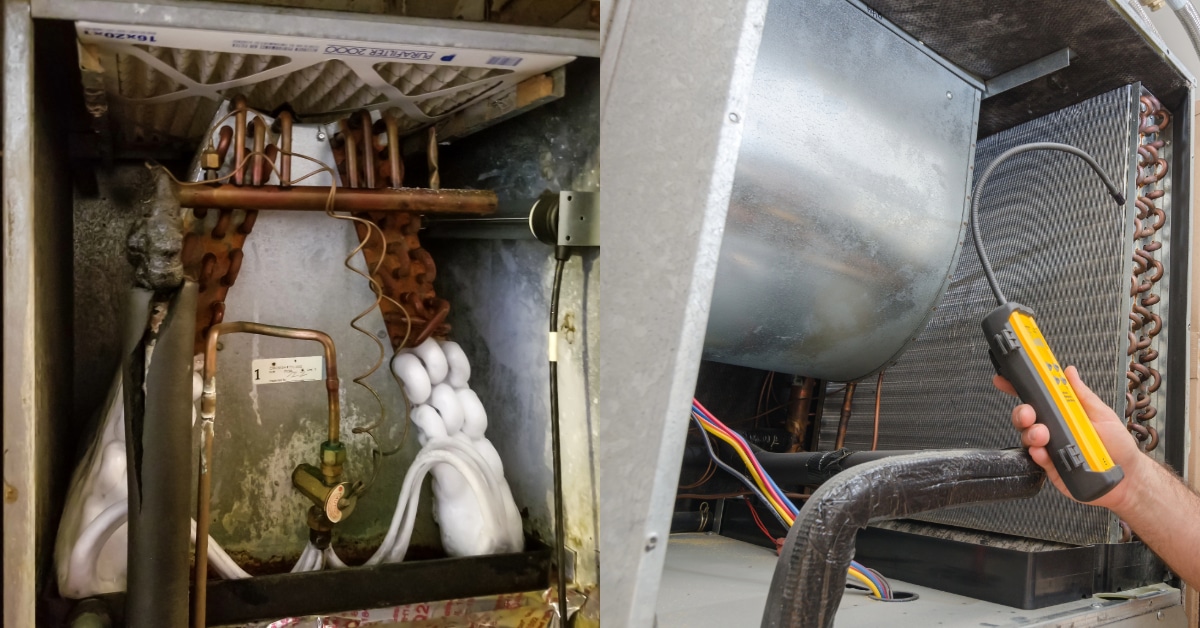
Image Source: qualityheating.com
Knowing Your AC Has a Problem
Your air conditioner works hard. It cools your home. Sometimes, it has trouble. One big problem is when the air conditioner coil freezing up. This ice stops the AC from working right.
How do you know if your AC is freezing?
* The air coming out is not cool.
* The air flow is weak. It does not blow hard.
* You might hear strange sounds.
* You might see ice on the pipes outside.
* You might see ice on the indoor unit. This is the evaporator coil.
Seeing ice is a clear sign. Your AC is frozen. This needs fixing. Do not ignore it.
Why Your AC Gets Ice
Ice should not be on your AC. When you see ice, something is wrong. Many things can cause this. Why is my AC freezing? Let’s look at the main reasons. Knowing the cause helps you fix it. It also helps prevent it from happening again.
Problem: Not Enough Air Moving
Your AC needs to move air. It moves air over the cold parts. This air takes the cold into your house. If not enough air moves, the cold parts get too cold. They get below freezing. Then water on them turns to ice.
Cause 1: Dirty Air Filter
This is a very common reason. Your air filter cleans the air. It catches dirt and dust. If the filter is full of dirt, air cannot pass through easily. It’s like trying to breathe through a thick cloth.
A dirty air filter AC problem blocks air. Less air flows over the cold coil. The coil gets too cold. Ice forms on the AC evaporator coil. Changing your filter is easy. It is often the first thing to check.
Cause 2: Closed Vents or Blocked Ducts
Air travels through ducts. It comes out of vents. If vents are closed, air cannot flow out. If ducts are blocked, air cannot move.
This is like the dirty filter problem. Less air moves over the coil. The coil gets too cold. Ice builds up. Make sure your vents are open. Check that furniture is not blocking vents. Check if ductwork is crushed or blocked.
Cause 3: Fan Problems
Your AC has a fan. This fan pushes air. The fan can be in the indoor unit. If the fan motor is broken, it won’t push air. Or it won’t push enough air.
This causes low airflow. The coil gets too cold. Ice forms. A bad fan needs fixing by a pro.
Problem: Not Enough Cool Stuff Inside (Refrigerant)
Your AC uses a special fluid. It’s called refrigerant. This fluid gets cold. It takes heat from your home. This makes the air cold.
If there is not enough refrigerant, things get too cold. This sounds strange. But it’s true. Low refrigerant makes the coil get much colder than it should. It drops below freezing. Water on the coil freezes.
Cause: Low Refrigerant Air Conditioner
Leaks cause low refrigerant air conditioner problems. The refrigerant leaks out over time. This is not something you can fix yourself. You cannot just add more. A trained person must find the leak. They fix the leak. Then they add the right amount of refrigerant.
Low refrigerant is a serious issue. It can hurt your AC system. It also means the AC uses more power. It works harder but does not cool well.
Problem: Very Cold Outside Air
Your AC is made to work in certain temperatures. If it is too cold outside, the pressure inside the AC changes. This can make the coil get too cold.
Running your AC when it is too cold outside can cause freezing. Check the temperature limits for your AC. Do not run it if it is too cold outside for it.
Problem: AC Unit Is Dirty
Over time, dirt can get on the indoor coil. This coil is called the evaporator coil. Dirt on the coil makes it harder for air to flow. It also makes it harder for the coil to work right.
A dirty evaporator coil can lead to freezing. The dirt acts like a blanket. It keeps the cold in one spot. That spot gets too cold. Ice forms. Cleaning the coil helps air flow better. It helps the coil work better.
What To Do When AC Freezes: The First Step
When you see ice, do not just wait. Do not just turn the AC off and on again. You must stop the cooling process.
The most important first step is simple. Turn off the power to the AC unit. Do not just turn it off at the thermostat. You need to turn off the power switch. This switch is often near the outdoor unit. Or it might be inside near the indoor unit.
Turning off the power stops the unit from trying to cool. It stops the refrigerant from flowing. This is crucial. The goal is to let the ice melt completely.
Do not turn the AC back on until all the ice is gone. Running a frozen AC can cause more damage. It can harm the compressor. This is a very expensive part.
AC Defrosting Methods: Letting the Ice Melt
Once the power is off, the ice will start to melt. This is the main AC defrosting method for most people. Letting it melt on its own is the safest way.
How long does it take? As mentioned, how long does it take for AC to unfreeze varies.
* A little bit of ice might melt in an hour or two.
* A lot of ice can take 24 hours or more.
* Warm weather helps ice melt faster.
* Cool weather means it melts slower.
Be patient. Check the unit often. Look at the indoor coil and the outdoor pipes. Wait until every bit of ice is gone.
Speeding Up the Melt (Use with Care)
You can try to make the ice melt faster. Be very careful if you do this. You do not want to damage the coil fins. These are thin metal pieces. They are easy to bend.
- Using a Fan: Put a fan near the indoor unit. Make it blow air over the frozen coil. This moving air helps melt the ice faster. It brings warmer air to the coil.
- Warm Water (Outdoor Unit Only): You can use a hose with water. Use cool or lukewarm water. Never use hot water. Hot water can damage the parts. Spray the water on the outdoor coil and pipes where you see ice. Be careful not to spray water into the electrical parts. This method is mainly for the outdoor unit. The indoor unit melt will drip water. Be ready for that.
- Open Windows: If the weather outside is warmer than inside, open windows. This lets warmer air into the house. This warmer air goes over the indoor coil and helps it melt faster.
Important: Do not use sharp tools. Do not chip away the ice. You will damage the coil. The thin metal fins are very delicate. Damaging them will make your AC not work right even after the ice is gone.
Cleaning Up After the Melt
When the ice melts, it turns into water. Where does this water go?
- Indoor Unit: The indoor unit (evaporator coil) has a drain pan. This pan catches the water. The water then goes into a drain line. If the drain pan or line is blocked, the water can overflow. It can cause water damage to your home. Check the drain pan. Make sure water is draining away. You might need to clear a blocked drain line. A wet/dry vacuum can sometimes clear the line.
- Outdoor Unit: The water from the outdoor unit ice will just drip onto the ground.
Clean up any water spills quickly. This prevents water damage and mold growth.
Fixing the Cause: Preventing Future Freezing
Letting the ice melt is only step one. If you just turn the AC back on without fixing why it froze, it will just freeze again. You need to address the AC freezing troubleshooting steps.
Check the Air Filter First
This is the easiest fix. Go to your indoor unit. Find the air filter. Take it out. Look at it. Is it grey and clogged with dirt?
- If yes, replace it with a new, clean filter. Filters are cheap. Replacing them regularly saves you money and prevents problems.
- Filters should be changed often. How often depends on the filter type and how much you use your AC. Monthly is good for cheap filters. Better filters might last 3-6 months. Check the filter packaging.
A clean filter is key to good air flow. It helps prevent the air conditioner coil freezing up.
Check Airflow Issues
- Walk around your house. Are all the vents open?
- Is furniture blocking any vents? Move it if it is.
- Are any return air vents blocked? These vents pull air into the AC system. Make sure they are not blocked.
- Check ducts if you can. Are they crushed or disconnected? This is harder to check.
Good airflow is vital for the AC evaporator coil ice melt to not come back.
Check If the Unit is Dirty
Look at the indoor evaporator coil. Is it covered in dirt? You can see it behind the filter location. If it’s dirty, it needs cleaning.
You can buy coil cleaner spray. Follow the directions carefully. Cleaning the coil can be tricky. It’s easy to bend the fins. If the coil is very dirty, you might need a pro to clean it.
A dirty outdoor coil (condenser coil) can also cause problems. It makes the system work harder. While less likely to cause freezing directly, a struggling system is more prone to issues. Clean leaves and debris from around the outdoor unit. You can gently rinse the outdoor coil with a hose when the power is off.
Address Low Refrigerant
If your air filter is clean, airflow is good, and coils are clean, the problem might be low refrigerant. This is the low refrigerant air conditioner issue.
How do you know it’s low refrigerant?
* The air is not very cold.
* The outdoor unit might sound different.
* You might hear a hissing sound (a leak).
* Ice forms even with good airflow and clean coils.
You cannot fix low refrigerant yourself. You need a licensed AC technician. They have special tools to measure the refrigerant level. They can find leaks. They can fix leaks and add the correct amount of refrigerant.
Warning: Handling refrigerant is dangerous and requires special training and tools. It is also illegal in many places to release refrigerant into the air. Always call a pro for refrigerant problems.
Check Outdoor Temperature
Did you run your AC when it was very cold outside? If so, this might be why it froze. Wait for warmer weather. Do not run the AC if the temperature is below the recommended limit for your unit. This limit is often around 60-65°F (15-18°C), but check your manual.
Steps to Fix Frozen AC Unit – A Summary
Let’s put the steps together for how to fix frozen AC unit.
- Turn Off Power: Find the power switch for your AC unit. Turn it off. Do not just use the thermostat. This stops the cooling cycle.
- Allow Ice to Melt: Let the ice melt completely. This can take many hours. Be patient.
- Speed Up Melt (Optional): Use a fan or cool water (on outdoor unit only) to help melt ice faster. Be careful not to damage fins.
- Clean Up Water: Make sure water from melting ice drains properly. Clean up spills. Check the indoor drain pan and line.
- Find the Cause: While ice melts, or after it’s gone, look for the reason it froze.
- Check your air filter. Is it dirty? Change it!
- Check airflow. Are vents open? Are they blocked?
- Look at the coils. Are they dirty?
- Was it too cold outside when you ran the AC?
- Fix the Cause:
- Replace dirty filter.
- Open vents, clear blockages.
- Clean coils if needed.
- If you suspect
low refrigerant air conditioneror fan problems, call an AC technician.
- Turn AC Back On: Only turn the power back on after all the ice is gone and you have addressed the likely cause. Turn the power switch back on. Then set the thermostat to cool.
Follow these steps for AC freezing troubleshooting. This DIY guide helps you unfreeze it safely and find the reason for the problem.
Preventing Your AC from Freezing Again
Once you fix a frozen AC, you don’t want it to happen again. Prevention is easier than fixing ice.
- Change Filters Regularly: This is the number one way to prevent freezing. Mark your calendar. Put a note on the thermostat. Just do it. A clean filter saves you many headaches.
- Keep Vents Open and Clear: Do not close vents in rooms. This messes up the airflow for the whole system. Keep furniture away from vents.
- Maintain Your System: Get a professional tune-up once a year. A technician can check refrigerant levels. They can clean coils properly. They can check the fan and other parts. This catches small problems before they become big ones like freezing.
- Check Drain Line: Make sure the drain line for the indoor unit is not blocked. Pour a little vinegar or bleach mixed with water down it a few times a year to keep it clear. Check your AC manual for the best way to do this.
- Avoid Running in Low Temperatures: Do not run your AC when it’s too cold outside.
Taking care of your AC helps it work better. It cools your home well. It uses less energy. It lasts longer. And it helps prevent the nightmare of a frozen AC unit.
Detailed Look at AC Evaporator Coil Ice Melt
The AC evaporator coil ice melt process is simple when you turn off the power. The ice gets warmer than freezing point (32°F or 0°C). Then it turns back into water.
Think of it like an ice cube on your kitchen counter. If the room is warm, the ice melts. If the room is cold, it takes longer. Your house acts like the warm room. The air in your house warms the frozen coil.
Water dripping from the indoor unit is normal during the melting process. This water must go somewhere. It drips into the drain pan. From the pan, it flows through a drain line. This line usually goes outside or into a house drain.
If you see water overflowing the drain pan, it means the pan or the drain line is blocked.
* To check the drain pan: Look under the indoor unit’s coil. There should be a pan. Is there standing water in it that is not going away?
* To check the drain line: Find where the line comes out. Often it’s a small white pipe outside. Is water dripping from it? If not, it might be blocked.
Clearing a blocked drain line:
* You can use a wet/dry vacuum. Attach it to the end of the drain line outside. Seal around it with tape or your hand. Turn on the vacuum for a few minutes. This can pull the blockage out.
* You can try pouring a vinegar and water mix (like 1 cup vinegar to 1 cup water) down the line from the indoor end (if you can safely access it). Wait 30 minutes. Then pour plain water. This helps kill mold/algae that cause blocks.
* If these don’t work, call an AC pro.
Dealing with the water is part of handling a frozen AC. Do not ignore water leaks.
AC Freezing Troubleshooting: More Checks
Let’s think more about AC freezing troubleshooting if the common things don’t seem to be the cause.
- Refrigerant Charge: This needs a pro. They use special gauges. They check the pressure and temperature. This tells them if the refrigerant level is correct. Too much refrigerant can also cause issues, though low is more common for freezing.
- Thermostat Issues: A faulty thermostat could cause the AC to run strangely, possibly contributing to freezing. Make sure your thermostat works right.
- Blower Motor: The indoor fan (blower motor) needs to move enough air. If it’s running slow or not at all, it causes freezing. Listen to the indoor unit. Does the fan sound strong? If it’s weak or makes noise, it might be failing. A pro can check the motor speed and function.
- Filter Size/Type: Using the wrong size filter or a filter that is too thick (like a high MERV rating filter) can restrict airflow too much. Always use the filter size the manufacturer recommends. If you use high MERV filters, check them more often, as they can block faster.
Troubleshooting can help pinpoint the exact problem. Starting with the easy things (filter, vents) is best. If those don’t fix it, you likely need expert help.
Getting Professional Help
Sometimes, you cannot fix frozen AC unit yourself. Problems like low refrigerant air conditioner leaks, bad blower motors, or complex electrical issues need a trained AC technician.
Do not be afraid to call a pro. They have the tools and knowledge to fix serious problems safely. Trying to fix complex issues yourself can cause more damage. It can also be dangerous.
When you call a pro, tell them your AC froze. Tell them what you have already checked (filter, vents). This helps them figure out the problem faster.
Regular maintenance from a professional is a good investment. It helps prevent problems like freezing. They clean parts you can’t easily reach. They check system pressures and electrical parts.
AC Defrosting Methods: What NOT To Do
We talked about safe ways to unfreeze. Let’s be very clear about what not to do.
- Do NOT Chip or Scrape Ice: Use tools like hammers, knives, or screwdrivers to chip ice off the coil. You will bend the delicate fins. You will likely puncture the coil tubes. A punctured coil means all the refrigerant leaks out. Fixing that is expensive.
- Do NOT Use Hot Water: Hot water can damage the coil and other parts. Use cool or lukewarm water only, and only on the outdoor unit’s coil and pipes.
- Do NOT Use a Heat Gun or Torch: This is extremely dangerous. You can start a fire. You can also melt or damage plastic and metal parts of the AC.
- Do NOT Just Turn the AC On and Off: This does not let the ice melt properly. It might even make the problem worse. You must turn the power off completely.
- Do NOT Add Water to the Refrigerant System: The system is sealed. Water should never enter it.
Safe AC defrosting methods are slow and gentle. Letting it melt on its own with the power off is the safest way. Using a fan or cool water is okay if done carefully.
Recap: The Frozen AC Problem
Your AC freezes because the coil gets too cold. This happens because:
* Not enough warm air is flowing over the coil (dirty filter, closed vents, bad fan).
* There is not enough refrigerant in the system (a leak).
* It’s too cold outside to run the AC.
* The coils are very dirty.
When you see ice:
1. Turn off the AC power switch.
2. Let the ice melt fully. This takes time.
3. Clean up water.
4. Find out why it froze (check filter, vents, etc.).
5. Fix the reason.
6. Turn the power back on only after all ice is gone and you’ve fixed the cause.
This process helps you deal with the air conditioner coil freezing up problem. Taking steps to prevent it is the best long-term solution.
Frequently Asked Questions (FAQ)
h4: Can I Run My AC with Ice on It?
No, you should not run your AC if it has ice on it. Running a frozen AC can cause serious damage. It can break the compressor. Turn off the power immediately when you see ice.
h4: How Long Does It Take to Unfreeze an AC Coil?
It usually takes several hours for the ice to melt. It depends on how much ice there is and the temperature around the unit. It could be anywhere from 1 hour to 24 hours or more. Be patient.
h4: Will a Dirty Filter Cause My AC to Freeze?
Yes, a dirty air filter is one of the most common reasons for an AC to freeze. A dirty filter blocks airflow over the cold coil. This makes the coil get too cold and freeze.
h4: Do I Need to Call a Technician if My AC Freezes?
Not always. Sometimes the fix is simple, like changing a dirty air filter or opening blocked vents. However, if the problem is low refrigerant air conditioner, a fan issue, or if you can’t find the cause, you will need a qualified technician to fix it safely.
h4: Where Does the Water Go When the Ice Melts?
When the indoor coil melts, the water drips into a drain pan under the coil. It then flows out through a drain line, usually outside. For the outdoor unit, the water just drips onto the ground. Check the indoor drain pan and line to make sure they are not blocked.
h4: Can I Use a Hair Dryer to Melt the Ice Faster?
It’s better not to use a hair dryer. While it blows warm air, it can focus heat on one spot and possibly damage parts. Using a regular fan to blow room temperature air is safer. Using cool or lukewarm water carefully on the outdoor unit is also an option, but avoid electrical parts.
h4: My AC Froze, I Let It Melt, and Changed the Filter. It Froze Again. What Now?
If you fixed the most common cause (dirty filter, airflow) and it still freezes, the problem is likely more serious. It could be a low refrigerant air conditioner issue, a problem with the fan motor, or a very dirty coil that needs a deep cleaning. At this point, it’s best to call an AC technician for AC freezing troubleshooting.
h4: How Often Should I Change My Air Filter to Prevent Freezing?
Check your filter once a month. If it looks dirty, change it. How often you need to change it depends on the filter type, how much you use your AC, and if you have pets. For many filters, changing every 1-3 months is a good rule.
h4: Is AC Evaporator Coil Ice Melt a normal process?
No, ice should not form on the AC evaporator coil during normal operation. If you see ice, it means there is a problem that needs to be fixed. The coil gets cold, but not below freezing, when the system works right.
h4: What are the safest AC defrosting methods?
The safest method is simply turning off the power to the AC unit and letting the ice melt on its own using the warmth of the surrounding air. Using a fan to blow air over the frozen coil can also speed it up safely.
This guide helps you tackle a frozen AC. Remember to be safe, be patient, and address the root cause to keep your home cool and your AC working right.