
Many people ask, “What is advertising on streaming TV?” It’s putting your ads on shows and movies watched through the internet on devices like smart TVs, game consoles, or streaming sticks. This is also known as Connected TV advertising. Can you advertise on streaming TV? Yes, you absolutely can. Who can advertise? Businesses of all sizes, from small shops to large companies, can use this powerful way to reach viewers who are cutting the cord or never had cable. This guide will show you how.
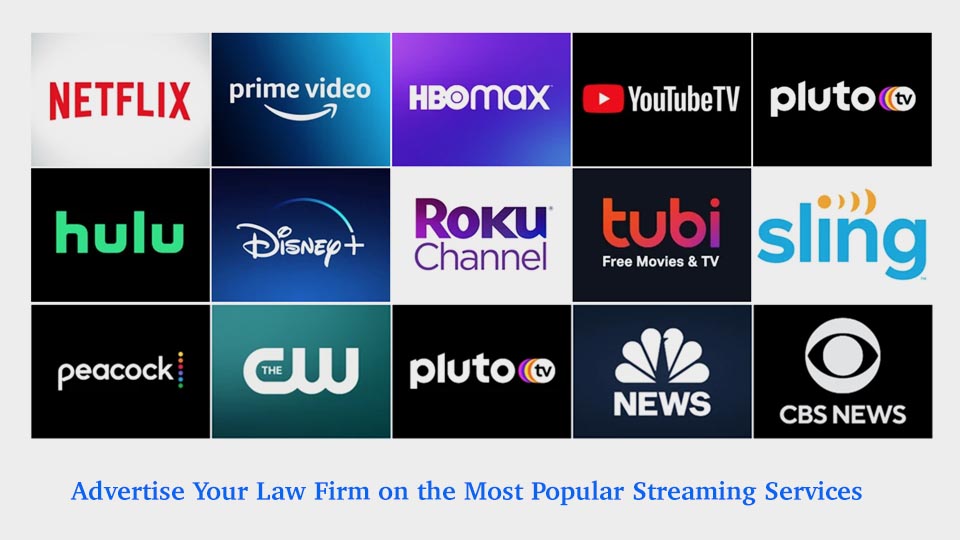
Image Source: www.ilawyermarketing.com
Why Advertise on Streaming TV?
More and more people are watching TV using streaming services. They are not using old-school cable anymore. This means the audience is moving. If you want to reach these people, you need to be where they are watching. That place is streaming TV.
- Big Audience: Millions of homes now watch TV through streaming. This number keeps growing.
- Engaged Viewers: People watching streaming shows are often more focused than those flipping through channels. They are settled in to watch.
- Targeted Ads: Unlike regular TV, streaming allows you to show ads to very specific groups of people. You can pick who sees your ad based on what they watch, where they live, and more. This makes your ad money work harder.
- Measurable Results: You can see how your ads are doing. You can track how many people saw them, how often, and sometimes even if they took action later. This gives you clear information about your Connected TV advertising ROI.
- Looks Like TV: Your ad looks like a regular TV commercial. This gives your brand a premium feel, often linked with Digital video advertising.
Advertising on streaming TV lets you get in front of people who are hard to reach with old TV ads. It offers smart ways to pick your audience and clear ways to see what works.
Grasping Connected TV Advertising (CTV)
Connected TV advertising, or CTV advertising, simply means showing ads on TVs that are connected to the internet. This happens when people watch content through apps on their smart TVs, using devices like Roku or Amazon Fire Stick, or even game consoles.
Think of it this way: Traditional TV sends a signal over the air or cable wires. Everyone watching that channel at that time sees the same ads. Connected TV uses the internet. Because it uses the internet, it knows more about the viewer (like their general location or what show they picked). This allows for different ads to be shown to different households watching the same show.
CTV is a big part of Digital video advertising today. It combines the big-screen impact of TV with the smart targeting and tracking of online advertising.
How Streaming TV Ads Are Bought
There are two main ways to buy ads on streaming TV:
- Direct Buys: This is like buying ads on regular TV. You talk directly to the seller (like a streaming service or TV network’s streaming arm) and buy a set number of ad spots at a fixed price. This works well if you want to advertise during specific popular shows.
- Programmatic Streaming TV Ads: This is much more common and flexible. It uses computers and software to buy ad space automatically. Think of it as a super-fast auction happening in the blink of an eye.
Let’s look closer at programmatic buying.
Programmatic Streaming TV Ads Explained
Programmatic buying uses technology platforms to buy and sell ad space. For streaming TV, this means:
- Demand-Side Platforms (DSPs): Advertisers use these platforms. You tell the DSP who you want to reach (your target audience), how much you want to spend, and what your ad looks like.
- Supply-Side Platforms (SSPs): Streaming services and apps use these platforms to offer their ad space for sale.
- Ad Exchange: This is like a marketplace where DSPs and SSPs meet automatically.
Here’s the simple process:
- Someone starts watching a show on a streaming app.
- The app’s SSP sends a message saying, “Hey, there’s an ad spot available for a viewer like this person right now!”
- This message goes to the ad exchange.
- DSPs representing different advertisers see this opportunity. They check if this viewer matches their target audience.
- If the viewer matches, the DSPs quickly bid against each other to show their ad.
- The ad exchange picks the winning bid in milliseconds.
- The winning ad is shown to the viewer.
This process happens millions of times a second across many streaming apps. Programmatic streaming TV ads let you reach your audience across many different streaming services and apps through one platform. This makes managing your Connected TV advertising easier.
Key Streaming TV Ad Platforms
Many services and devices offer ways to advertise. Some of the biggest streaming TV ad platforms include:
- Roku Advertising: Roku is a very popular streaming device maker. Many people use Roku players or have TVs with Roku built-in. Roku sells ads that appear within the content on certain channels or within Roku’s own menus and screens. Roku advertising reaches a large home audience.
- Hulu Advertising: Hulu is a major streaming service with a large library of TV shows and movies. Hulu offers ad-supported plans, and advertisers can buy ad spots shown during the content. Hulu advertising is known for its strong targeting options, often based on viewer data.
- Amazon: Amazon has Fire TV devices and the Freevee streaming service (formerly IMDb TV). They offer advertising options across their streaming properties.
- Peacock: NBCUniversal’s streaming service, Peacock, has ad-supported tiers where you can place ads.
- Other Apps: Many other streaming apps, like Tubi, Pluto TV, and individual network apps (like CNN Go, ESPN app), also sell ad space.
Choosing which streaming TV ad platforms to use depends on your target audience, budget, and goals. Many advertisers use programmatic buying to reach audiences across many of these platforms at once.
Deciphering Streaming TV Ad Formats
The most common ad format on streaming TV is the video ad, similar to a regular TV commercial. However, the digital nature of streaming allows for more options. Streaming TV ad formats include:
- In-Stream Video Ads: These are the standard commercials that play before (pre-roll), during (mid-roll), or after (post-roll) the streaming content. Mid-roll ads, placed during breaks in a show, are most common and often get the most attention.
- Interactive Ads: Some platforms allow viewers to interact with the ad using their remote control. This could be clicking to learn more, visit a website (often shown on a phone while the TV ad plays), or even make a purchase. This makes the ad more engaging.
- Skippable vs. Non-Skippable: Like online video ads, some streaming ads are skippable after a few seconds, while others must be watched fully. Non-skippable ads guarantee your message is seen, but they can sometimes frustrate viewers.
- Pause Ads: An image or banner ad appears when the viewer pauses the show. This is a less intrusive way to advertise.
- Sponsorships: Your brand can sponsor a show, channel, or even a specific moment within content.
Most Connected TV advertising uses standard in-stream video ads (15 or 30 seconds are typical). But interactive and other formats are growing, offering new ways to connect with viewers.
CTV Ad Targeting Options
One of the biggest strengths of Connected TV advertising is its ability to target specific audiences. Unlike traditional TV, which broadcasts to everyone, CTV uses data to show your ad to the right households. CTV ad targeting options are similar to what you find in other digital advertising, but applied to the TV screen.
Here’s how you can target viewers:
- Demographics: Reach people based on age, gender, household income, presence of children, etc.
- Geography: Target viewers in specific cities, states, or even smaller areas. This is great for local businesses.
- Interests & Hobbies: Show ads to people interested in sports, cooking, travel, gaming, or other topics. This data often comes from app usage and online behavior linked to the household.
- Viewing Habits: Target viewers based on the types of shows or channels they watch (e.g., news watchers, comedy fans, sports viewers).
- Behavioral Data: Use data about online purchases, website visits, or other digital actions taken by people in the household.
- Household Graphing: Ad platforms use technology to link different devices (TV, phone, computer) in a household. This helps them understand the household’s viewing and online behavior better for more accurate targeting.
- First-Party Data: If you have your own customer data (like email lists), some platforms allow you to match this data (in a privacy-safe way) to households for targeting or excluding existing customers.
Combining these targeting options lets you create very specific audience segments. This means less wasted ad spend because your ad is shown to people most likely to be interested in your product or service. This is a key reason why Digital video advertising on CTV is so powerful.
Connected TV Advertising Costs
Talking about Connected TV advertising costs can be tricky because prices vary a lot. How much you pay depends on several things:
- Target Audience: Reaching a very specific or high-income audience usually costs more.
- Time of Year: Costs can be higher during peak seasons like holidays.
- Demand: If many advertisers want to reach the same audience, prices go up.
- Platform/App: Some streaming services or apps are more expensive than others due to their audience size or quality. Roku advertising and Hulu advertising might have different costs based on their specific reach and targeting capabilities.
- Buying Method: Programmatic buys can sometimes be more cost-efficient than direct buys, depending on how they are managed.
- Ad Format: Interactive or non-skippable ads might cost more than standard skippable video ads.
The most common way to price CTV ads is by CPM (Cost Per Mille), which means Cost Per Thousand views (or impressions). It’s the price you pay every time your ad is shown 1,000 times.
- Typical CPM Range: CTV CPMs usually range from $20 to $80 or even higher. This is often higher than online video CPMs but competitive with or sometimes lower than traditional TV ad costs for a broad audience.
- Minimum Spends: Some platforms or programmatic deals have minimum spend requirements, which can range from a few thousand dollars to much more.
Here’s a simple way to think about it: If the CPM is $30 and you want to reach 100,000 people, the cost would be (100,000 / 1,000) * $30 = 100 * $30 = $3,000.
Table: Example CTV Cost Factors (Illustrative)
| Factor | Effect on Cost | Why? |
|---|---|---|
| Highly specific target | Higher CPM | Smaller, more valuable audience |
| Prime time viewing | Higher CPM | More viewers watching |
| Popular app | Higher CPM | More demand for ad space |
| Non-skippable ad | Higher CPM | Guaranteed view |
| Large total spend | Potentially lower CPM | Bulk buying often gets better rates |
Planning your Connected TV advertising costs involves setting a budget and figuring out how many impressions you can get for that amount based on expected CPMs for your target audience and chosen platforms. Starting with a smaller test budget is often a good idea to see how your ads perform before investing more.
Measuring CTV Advertising ROI
Measuring the Return on Investment (ROI) for CTV advertising means figuring out if the money you spent brought in more value (like sales or leads) than it cost. Since CTV is a digital medium, you can track results better than traditional TV, helping you measure CTV advertising ROI effectively.
How to measure success:
- Ad Views and Completions: How many times was your ad shown? How many times did people watch the whole ad? High completion rates show your ad is engaging.
- Reach and Frequency: How many unique households saw your ad (reach)? How many times did the average household see it (frequency)? Reaching the right people the right amount is key.
- Website Visits: Did people visit your website after seeing the ad? You can often see a lift in site traffic from areas where your ads were shown.
- Conversions (Sales/Leads): The big question! Did people who saw your ad buy something or sign up for something? This is harder to link directly from a TV ad compared to clicking an online banner, but there are ways.
- Geo-lift Studies: Compare sales in areas that saw your ads versus similar areas that didn’t.
- Promo Codes/Landing Pages: Use unique codes or web pages mentioned only in your CTV ads.
- Cross-Device Tracking: Try to link the household that saw the ad to actions taken on phones or computers in that same house. This is part of advanced Digital video advertising measurement.
- Brand Metrics: Did more people become aware of your brand? Did they feel better about your brand? Surveys can help measure this impact.
Getting a clear picture of CTV advertising ROI requires setting clear goals before you start. Decide what success looks like (e.g., website visits, sales, brand awareness) and set up tracking methods from the beginning. Working with streaming TV ad platforms or a DSP that offers good reporting is important.
Tips for Effective Streaming TV Advertising
Running successful CTV ad campaigns involves more than just buying ad spots. Here are some tips to make your campaigns work better:
- Know Your Audience: Use the strong CTV ad targeting options. Don’t just guess; use data to define who you want to reach precisely. The more specific you are, the less money you waste.
- Create Great Video Ads: People are used to high-quality content on streaming TV. Your ad needs to look good and grab attention quickly. Keep your message clear and simple.
- Keep it Short (Mostly): While longer formats exist, 15- and 30-second ads are standard. Get to the point fast.
- Consider Frequency: Don’t show your ad too many times to the same person – this can annoy them. But show it enough times for the message to sink in. Find the right balance using frequency caps on your platform.
- Test and Learn: Try different ads, different targeting settings, and different platforms (like comparing Roku advertising results to Hulu advertising results if possible). See what works best and adjust your campaigns.
- Use a Call to Action: Tell people what you want them to do! Visit your website? Learn more? Use a clear call to action in your ad.
- Think About the Home Environment: People watch CTV often while relaxing at home, sometimes with others. Your message should fit this setting.
- Integrate with Other Digital Video Advertising: Don’t let your CTV campaign sit alone. Coordinate it with your ads on social media, YouTube, and other online video places for a stronger overall effort.
By focusing on your audience, creating compelling ads, and actively managing your campaigns, you can improve your results and get a better CTV advertising ROI.
Overcoming Challenges
While Connected TV advertising offers many benefits, there can be challenges. Knowing them helps you prepare.
- Measurement Complexity: Linking a TV view to an online action or in-store sale can be hard. This is getting better with technology, but it’s not always perfect. Solution: Use multiple measurement methods (geo-lift, promo codes, cross-device data) to get a fuller picture. Don’t rely on just one number.
- Fraud: Just like other digital ads, ad fraud exists in CTV, where fake views are created by bots. Solution: Work with trusted streaming TV ad platforms and programmatic partners. Ask about their anti-fraud measures and look for third-party verification options.
- Fragmented Market: There are many streaming services and apps. Reaching a wide audience might require using multiple platforms or working through a DSP that accesses inventory across many places. Solution: Use programmatic streaming TV ads through a strong DSP to buy ads across many publishers efficiently. Research which specific streaming TV ad platforms your audience uses most.
- Creative Costs: Producing a good quality video ad can cost money. Solution: Reuse or adapt existing video assets if possible. Look for cost-effective video production options. The return from effective CTV ads can often justify the creative cost.
Addressing these challenges requires careful planning, working with reliable partners, and continuously monitoring your campaigns.
The Future of Streaming TV Advertising
Streaming TV advertising is still growing and changing quickly. What’s next?
- More Interactive Ads: Expect more ways for viewers to engage with ads using their remotes or phones.
- Better Measurement: Technology will improve, making it easier to link CTV ad views to real-world results and show a clearer CTV advertising ROI.
- Shoppable Ads: You might soon be able to buy products directly from an ad on your TV screen.
- More Data Use: Advertisers will likely use even richer data to target viewers more precisely, improving Digital video advertising overall on CTV.
- Changes in Content: As streaming grows, new types of content and ad opportunities will appear.
Staying updated on these trends will help you make the most of your Connected TV advertising efforts.
Frequently Asked Questions (FAQ)
Q: Is streaming TV advertising expensive?
A: Costs vary, but it’s often competitive with or less expensive than traditional TV advertising, especially when you factor in the better targeting. You pay based on views (CPM), and minimum spends can range from small to large depending on the platform and method.
Q: How is it different from traditional TV advertising?
A: Key differences are targeting (CTV uses data to reach specific households, traditional TV broadcasts broadly) and measurement (CTV offers much more detailed data on views, completion rates, and often allows for better linkage to results).
Q: Do people actually watch ads on streaming TV?
A: Yes, many people watch ads on ad-supported streaming plans to save money. Completion rates for non-skippable CTV ads are generally very high.
Q: How long should my ad be?
A: Standard lengths are 15 or 30 seconds. Short, impactful ads often work well, especially if they are non-skippable.
Q: Can I advertise locally on streaming TV?
A: Yes, CTV ad targeting allows you to reach viewers in specific geographic areas, making it great for local businesses.
Q: What’s the first step to start advertising on streaming TV?
A: First, define your target audience and budget. Then, explore different streaming TV ad platforms or consider working with a programmatic platform (DSP) to buy ads across multiple services. Creating a compelling video ad is also essential.
Q: How do I know if my CTV ads are working?
A: Track metrics like ad views, completion rates, reach, and frequency. Also, try to measure the impact on your business goals like website visits, leads, or sales using methods like geo-lift studies or unique promo codes. This helps calculate your CTV advertising ROI.
In Summary
Advertising on streaming TV is a powerful way to reach today’s viewers. It blends the big screen impact of TV with the smart targeting and tracking of digital marketing. By understanding Connected TV advertising, exploring different streaming TV ad platforms like Roku advertising and Hulu advertising, using programmatic streaming TV ads to buy efficiently, and focusing on effective CTV ad targeting and creative, you can make your campaigns successful. While Connected TV advertising costs need careful planning, the ability to measure CTV advertising ROI and integrate with other Digital video advertising makes it a valuable part of a modern marketing strategy. As more people cut the cord, the importance of advertising on streaming TV will only grow. Now is a great time to explore how it can work for your business.