
Kashering an oven means making it fit for use with kosher food, especially for Passover. Why do we do this? Because heat can transfer taste from non-kosher food cooked during the year. This taste can make new food non-kosher. Jewish law says we must remove this old taste before cooking kosher food, especially for Passover when chametz (leavened grain food) is forbidden. Can you kasher your oven yourself? Yes, most people can follow the steps to make their oven kosher for Passover. This guide will show you how.
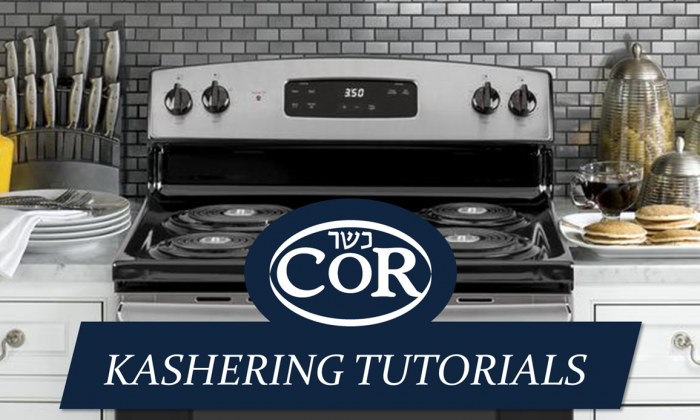
Image Source: cor.ca
Grasping the Reason for Kashering
Jewish homes follow rules about food. These rules are called kashrut. Food cooked during the year might not be kosher. Or it might be kosher but not allowed on Passover. This food leaves taste and tiny bits behind. When you turn on your oven, the heat pulls this taste out. The taste gets into the air inside the oven. It can then go into the new food you cook. This makes the new food like the old food.
For Passover, this is a big problem. We must not eat chametz on Passover. If your oven has chametz taste inside, it can make your Passover food forbidden. So, Jewish law says we must clean out the old taste. We use heat to do this. This process is called kashering. It prepares your oven for the special cooking of Passover. It is a very important step for many families getting ready for the holiday.
Preparing Your Oven for Kashering
Before you can kasher your oven, you must clean it very, very well. You cannot kasher an oven that is dirty. Any food bits or grease left inside will not become kosher. They will burn and become stuck forever. This is called removing treif residue. Treif means not kosher. You must get rid of all treif bits and dirt. This first step is hard work, but it is a must-do.
Getting All the Dirt Out
Start by taking everything out of the oven. This means racks, trays, and anything else stored inside. Look inside the oven. See any crumbs? Any spills? Any dried-on food? You must take it all out. Use a brush or a scraper. Get the big pieces first. Then look closer. Even small bits must go.
Deep Cleaning Steps
Now it is time for a deeper clean. You can use strong oven cleaner for this part. Make sure you follow the cleaner’s directions. Wear gloves. Open windows. Oven cleaners are strong chemicals. They help break down grease and burnt food. Spray the inside walls, the bottom, the top, and the inside of the door. Let it sit for the time the cleaner bottle says.
After the time is up, start scrubbing. Use a rough sponge or a scrubbing pad. Scrub all the surfaces you sprayed. Work hard to get off all the grease and stuck-on food. Pay extra attention to corners. Look near the heating elements. Food likes to hide in these spots. The goal is to make the inside of the oven perfectly clean. There should be no sign of any food or grease anywhere. This is part of cleaning oven for Pesach. Getting it spotless is step one for making it ready.
After you scrub, wipe everything down. Use wet rags to remove the cleaner. You might need to wipe many times. Make sure all the cleaner is gone. Then wipe it again with clean water. You want no dirt and no cleaner left. The oven should be totally clean and dry before you go to the next step. This careful cleaning is key. It removes the stuff that would otherwise make the kashering not work right.
What About the Door?
Do not forget the oven door. Clean the inside of the door very well. Food spills can run down the door. Clean the glass on the inside. Be careful not to get water or cleaner into the spaces between the glass panels. Just clean the surfaces you can reach and touch inside the oven space.
Getting Ready to Heat
After cleaning, let the oven air out. Make sure it is fully dry inside. Any wet spots should dry up. Check one more time. Is it perfectly clean? No crumbs? No grease? Good. Now you are ready for the heat step.
How to Kasher Your Oven with Heat
There are two main ways to kasher an oven using heat. The best way depends on the kind of oven you have. Both ways use very high heat. This high heat is needed. It burns away any taste left deep in the oven walls. It makes the oven fresh and ready for kosher use. This heat process is the core of making oven kosher for Passover.
Using a Self-Cleaning Oven
If your oven has a self-cleaning setting, this is usually the easiest way. The self-clean cycle gets the oven very, very hot. Much hotter than normal cooking. This extreme heat does the work of kashering. It turns any tiny bits of food or taste into ash.
Self-cleaning Oven Kashering Steps
Here are the steps for using a self-clean oven:
- Clean First: You already did this step. Make sure the oven is spotless inside. Remove all racks and trays.
- Lock the Door: Make sure the door locks tight. The self-clean cycle needs the door to be closed and locked for safety because it gets so hot.
- Start Self-Clean: Turn on the self-clean cycle. Follow your oven’s directions. The cycle might take 3 to 5 hours.
- Let it Finish: Let the cycle run all the way. The oven will get very hot. It might smoke a little. This is normal. It is the old food residue burning away.
- Cool Down: After the cycle finishes, the oven will stay locked until it cools down enough. This can take another hour or two. Be patient. Do not try to open the door early.
- Wipe Ash: Once the oven is cool and you can open the door, there will be a fine ash inside. Wipe this ash out with a damp cloth.
- Done: Your oven is now kashered and ready for Passover!
This method of self-cleaning oven kashering steps is very effective. The high heat meets the needs of Jewish law for kashering an oven.
Using the Broiler Method
What if your oven does not have a self-cleaning cycle? You can often use the broiler. The broiler is the heating part at the top of the oven. When you turn the broiler on, it gets very hot. It heats the top and sides of the oven space strongly. This is the using oven broiler method. It is a good way to kasher many ovens.
Steps for the Broiler Method
Here is how to do it:
- Clean First: Just like with the self-cleaning oven, you must clean the oven perfectly first. Get out all food bits and grease. Remove racks.
- Turn on Broiler: Close the oven door. Turn on the broiler setting to its highest heat.
- Let it Heat: Let the broiler run for about 45 minutes to an hour. The top of the oven will get red hot. This intense heat is doing the kashering work.
- Open Door (Carefully): After 45-60 minutes, carefully open the oven door. The inside top of the oven should be very hot.
- Cool Down: Turn the oven off. Let it cool down completely.
- Wipe: Once cool, wipe the inside with a clean cloth.
- Done: Your oven is now kashered.
This method works because the broiler gets very hot. It heats the oven space to a high temperature needed for kashering.
Other Possible Methods (Less Common for Ovens)
Sometimes people ask about boiling water. This method is often used for stovetops or pots. But for the inside of a large oven box, boiling water does not get hot enough. Jewish law needs a very high heat, like the heat used for cooking, to remove the taste. Since ovens cook with dry heat at high temperatures, the kashering method must use similar heat. Boiling water only gets to 212°F (100°C). Oven cooking and kashering need much higher heat, usually over 550°F (288°C). So, boiling water is not used for kashering the main oven box itself.
Kashering Oven Parts
What about the parts you took out? The racks and grates inside the oven need kashering too. They sit inside the oven space and can pick up taste from food spills. This is kashering oven racks and grates.
Kashering Racks and Grates
The best way to kasher racks and grates depends on your main oven kashering method.
- If you used Self-Clean: If your oven manual says it is safe, you can often leave the racks inside during the self-clean cycle. The extreme heat will kasher them along with the oven. Check your manual first! Some racks can get damaged by self-clean heat. If you cannot leave them in, you need another way.
- If you used the Broiler or Max Heat: The racks did not get the same direct high heat as the oven walls. You need to kasher them separately.
- Method 1: Put them through Self-Clean: If you have access to another self-cleaning oven, or plan to run your self-clean cycle later, you can put the racks through that cycle. Clean them very well first.
- Method 2: Place them under the Broiler: If the racks fit safely, you can put them under your own oven’s broiler. Clean them perfectly first. Place one rack close to the broiler element. Run the broiler on high for about 10-15 minutes on each side. Make sure the whole rack gets very hot. Be careful doing this. It will be extremely hot. Let them cool.
- Method 3: Libbun Kal – High Heat Method: This is a common method for metal items that get very hot. It means heating the metal until it is hot enough to make a piece of paper held against it instantly burn. You would need a high-heat torch or place them in a furnace-like setting. This is often not practical for home oven racks.
- Method 4: Hagalah – Boiling Water (Less Common for Racks): While not used for the oven box, large metal items can sometimes be kashered by boiling if they primarily come into contact with liquid food (like a pot). Oven racks mostly see hot air and food drips which burn on. High heat is the better method. However, some communities permit hagalah (boiling water immersion) for racks after they have been cleaned spotless, assuming the main oven space was kashered by fire. This is a question to ask your own rabbi. The most common and generally accepted method matching the oven’s use is high heat.
- The Simplest and Most Recommended: Clean them perfectly. Then put them back in the oven during the self-clean cycle (if safe) or place them under the broiler for a while. If you can’t do either and can’t ask a rabbi, some people buy new racks just for Passover.
Clean the racks and grates very well first. Scrub off all grease and burnt bits. Then use one of the high-heat methods described above.
Kashering Different Types of Ovens
The basic idea is always the same: clean well, then use very high heat. But the steps change a little for koshering different types of ovens.
Self-Cleaning Electric Ovens
We already covered this. This is the simplest type to kasher. Just clean it perfectly, then run the self-clean cycle. This method is called Libbun Gamur in Jewish law. It means “total burning” or “complete whitening” from heat. It is the strongest type of kashering by fire.
Standard Electric Ovens (No Self-Clean)
For these ovens, the broiler method is usually the way to go. Clean it perfectly. Turn on the broiler on high for 45-60 minutes. The top part gets very hot. This is called Libbun Kal in Jewish law. It means “light burning.” It is enough for things that get hot and cook food in a normal way, like an oven space.
Gas Ovens
Gas ovens work much like electric ovens for kashering. Clean it perfectly first. Then, turn the oven on to its highest setting. Let it run for about one hour. The high heat from the gas burner at the bottom and the heat rising through the oven space will kasher it. If your gas oven has a broiler, running the broiler for an hour after heating the main oven can give extra assurance for the top part.
Convection Ovens
Convection ovens have a fan. This fan moves hot air around. This helps food cook more evenly. Does the fan need special kashering? No. The fan is inside the oven space. When you run the oven at high heat for kashering, the hot air moves around the fan too. This kashering process covers the fan and the inside walls, top, and bottom. So, just clean it well and run the highest heat cycle (self-clean, broiler, or max temp) as you would for a standard or self-cleaning oven.
Oven Hoods and Vents
What about the hood above the oven? Or the vent? Food smells and grease go up into these. They do not need kashering like the oven itself. Why? Because food does not cook inside them. They just handle steam and smoke. Clean the hood and filters well. Replace filters if they are dirty. This is part of kashering appliances for Passover, ensuring all cooking areas are clean, but they don’t need the high-heat kashering process.
Stovetop Grates (If Part of the Range)
If your oven is part of a range with burners on top, the stovetop grates and burners also need kashering. This guide is mostly about the oven box. But know that the stovetop needs attention too. Usually, metal grates over gas burners are kashered by putting them back on the burner and turning the burner on high until the grate gets very hot (like Libbun Kal). Electric coils get red hot, which kasher them. The stovetop surface itself often needs a different method, like cleaning and covering, depending on the exact surface and how it is used. This shows that kashering appliances for Passover involves looking at each item based on how it is used.
Here is a simple table summary of oven types and methods:
| Oven Type | Kashering Method | Heat Level | Notes |
|---|---|---|---|
| Self-Cleaning Electric | Run Self-Clean Cycle | Very High Heat | Check manual for racks. Clean first! |
| Standard Electric (No SC) | Broiler on High (45-60 min) | High Heat | Clean first! Kasher racks separately. |
| Gas Oven | Max Temp on High (60 min) | High Heat | Broiler (if available) for top is good too. |
| Convection Oven | Same as above (SC or Max/Broiler) | High Heat | Fan gets kashered with the oven air. Clean first! |
After You Kasher Your Oven
You have cleaned and heated your oven. Now it is ready for Passover. What next? You want to keep it kosher for the whole holiday.
Protecting the Oven Bottom
Many people like to cover the bottom rack or the very bottom of the oven with aluminum foil. This is called aluminum foil oven lining. Why do this? If food spills during Passover cooking, the foil catches it. This keeps the spill off the freshly kashered oven bottom. It helps keep the oven clean for the whole holiday. Make sure the foil does not block any vents or the heat source.
Keeping it Kosher for Pesach
Once your oven is kashered, only use Kosher for Passover food inside it. Use clean pots and pans that are also kosher for Passover. Do not use the oven for non-Passover food during the holiday. If you do have a spill of non-Passover food (which shouldn’t happen in a kashered oven with Kosher for Pesach food), you would need to clean that spot right away. For any significant spill, you might need to re-kasher that area or the whole oven, so it is best to be very careful.
Using fresh Kosher L’Pesach aluminum foil lining and being careful with spills are the main ways to maintain the kashered state of your oven throughout Passover.
Understanding the Principles of Kashering
The basic idea behind kashering by heat is that heat can remove the taste that heat put in. If you cooked food at a certain temperature, heating the oven to that same temperature or higher can pull out the old taste. For an oven, which gets very hot, Jewish law requires a very high heat to make it kosher. This is why methods like self-clean or the broiler method (which reach very high temperatures) are used. Halacha of oven kashering relies on these principles of taste transfer and removal by heat.
The cleaning step before kashering is also very important. Heat only removes absorbed taste. It does not make physical stuff (food bits, grease) kosher. That physical stuff must be gone first. Removing treif residue is not just about cleanliness; it is a vital step in the kashering process itself.
Summary of the Process
Making your oven ready for Passover, or making oven kosher for Passover, involves a few main steps. First, clean the oven perfectly. Get rid of all food and grease. This removes the treif residue. Second, use intense heat to remove any absorbed taste. This means running a self-clean cycle or using the broiler or highest heat setting for a period of time, depending on your oven type (koshering different types of ovens). Remember to kasher the racks and grates too (kashering oven racks and grates), often using the same heat method. After kashering, you can use aluminum foil oven lining to protect the bottom and keep the oven clean during Passover. Following these steps helps ensure your oven is ready for holiday cooking, following the Halacha of oven kashering. Kashering appliances for Passover is a big task, and the oven is a key part of it.
Frequently Asked Questions
H4: How hot does the oven need to get?
The oven needs to get very hot. For self-cleaning ovens, the cycle reaches over 800°F (427°C). For standard ovens using the broiler or max heat, it should reach the oven’s highest possible cooking temperature, ideally 550°F (288°C) or higher. This high heat is needed to burn out old tastes.
H4: Can I use oven cleaner just before kashering?
Yes, you must use cleaner before kashering. You need to get the oven totally clean from all food and grease. Use the cleaner, scrub well, and then make sure all the cleaner is washed away before you heat the oven. You should not use cleaner during the heating process.
H4: What if my oven is very old?
Older ovens might not reach very high temperatures. If your oven cannot reach at least 450-500°F (230-260°C) easily, or if it is very dirty and hard to clean well, ask a rabbi for advice. Sometimes older ovens cannot be kashered easily and might require different methods or not be usable for Passover baking directly.
H4: Do I need to kasher the oven door seal?
Clean the door seal well. Food can get stuck there. The heat from the oven will reach the seal, but it is mostly about cleaning this area.
H4: Can I use a different kashering method than the one for my oven type?
Generally, no. The kashering method should match how the oven works and the heat it uses. An oven cooks with high, dry heat. So, kashering needs high, dry heat. Using a boiling water method (Hagalah) is not suitable for the oven box itself because the oven’s use is not primarily with boiling liquids. Follow the self-clean or high-heat/broiler methods recommended for ovens.
Getting your oven ready for Passover takes effort. But by cleaning well and using the right heat method, you can make sure your oven is properly kashered. This lets you cook delicious Passover meals knowing you followed the rules for the holiday.