
Imagine this: you’re camping, and your phone battery is almost dead. Or maybe a storm knocks out the power at home, and you need to keep your lights on. What do you do? A portable power station can be a lifesaver in situations like these. But picking the right one can feel like a puzzle. There are so many choices, and it’s hard to know which is the best for your money.
Many people want the convenience of a portable power station without spending a fortune. It’s tough to figure out which ones are good enough without breaking the bank. You worry about getting one that won’t last or can’t power the things you need. This can make buying one stressful.
Don’t worry! This post will help you find a great budget portable power station. We’ll break down what to look for, what features really matter, and how to get the most power for your dollar. By the end, you’ll feel confident choosing a power station that fits your needs and your wallet.
Our Top 5 Budget Portable Power Station Recommendations at a Glance
Top 5 Budget Portable Power Station Detailed Reviews
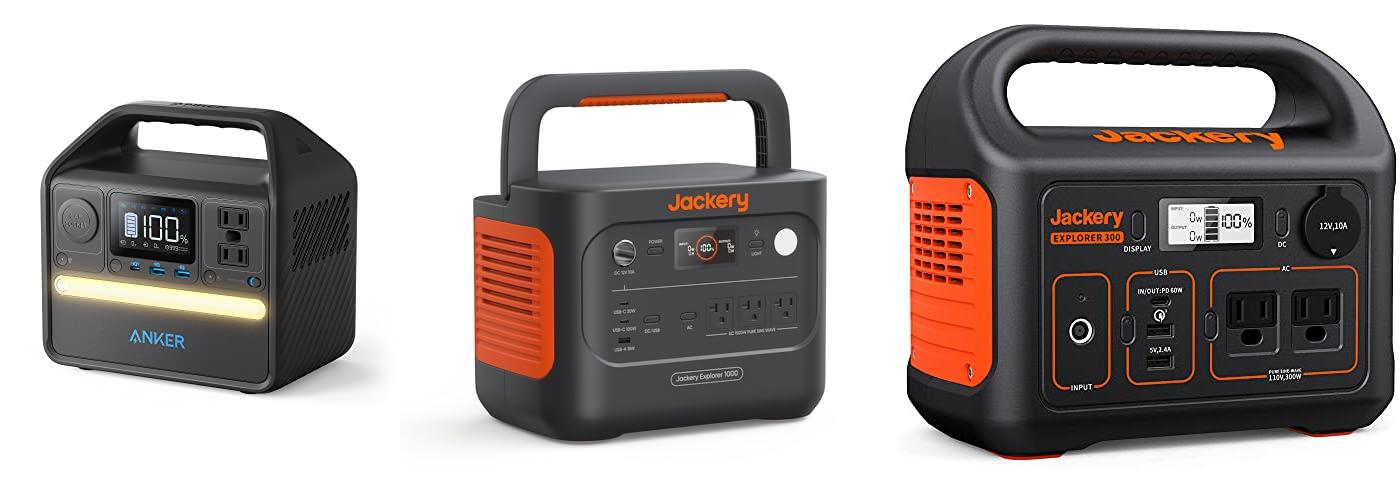
1. Anker 521 Portable Power Station Upgraded with LiFePO4 Battery

Rating: 9.4/10
The Anker 521 Portable Power Station is a robust and versatile power solution for any adventure or emergency. Its upgraded LiFePO4 battery offers impressive longevity, meaning it will be ready when you need it for years to come. This PowerHouse is designed to keep all your essential devices charged, whether you’re camping, tailgating, or dealing with a power outage at home.
What We Like:
- It handles high-wattage devices with SurgePower technology, reaching up to 600W.
- The LiFePO4 battery promises a decade of use thanks to InfiniPower technology and smart temperature control.
- You can charge many devices at once with its 6 ports: 2 AC, 2 USB-A, 1 USB-C, and 1 car outlet.
- The 60W USB-C PD port charges laptops and other devices quickly.
- Its 256Wh capacity provides plenty of power for extended trips.
- The package includes the power station, various cables, a welcome guide, and a 5-year warranty.
What Could Be Improved:
- The solar panel is an optional purchase, which adds to the overall cost if you want to use solar charging.
- While powerful, the 300W continuous output might not be enough for some very high-demand appliances.
This Anker power station is a reliable and long-lasting choice for anyone needing portable power. Its user-friendly design and strong warranty make it a smart investment for outdoor enthusiasts and preparedness-minded individuals.
2. Jackery Explorer 1000 v2 Portable Power Station

Rating: 9.2/10
Meet the Jackery Explorer 1000 v2 Portable Power Station – your ultimate off-grid companion. This powerhouse packs a punch with its 1070Wh LiFePO4 battery and a robust 1500W AC output, ready to keep your essential devices running, whether you’re camping under the stars, facing a power outage, or living life on the road in your RV. It’s designed for adventure, and it’s built to last.
What We Like:
- It’s powerful enough to run multiple appliances like AC units and fridges, yet it’s surprisingly lightweight at only 23.8 lbs and has a handy foldable handle for easy carrying.
- You can charge it from 0 to 100% in just one hour using the emergency charging feature through the Jackery App, making power-ups super quick.
- The durable LFP battery is built for the long haul, lasting over 10 years and keeping over 70% of its power even after 4,000 charges.
- It offers a ton of ways to connect your devices, with two USB-C ports (one 100W PD), one USB-A port, a car port, and three AC outlets, so you can charge many things at once.
- The Jackery App gives you smart control, letting you pick charging speeds and modes like a quiet overnight charge or an energy-saving option.
What Could Be Improved:
- The super-fast 1-hour charge needs to be manually enabled in the app each time; it defaults to a slower, battery-preserving charge.
- Solar panels are sold separately, so you’ll need to buy those if you want to go fully solar.
- It can’t be delivered to a PO Box, so make sure you have a physical address ready.
The Jackery Explorer 1000 v2 offers impressive power and convenience for any situation. It’s a reliable choice for anyone needing portable energy solutions.
3. Jackery Portable Power Station Explorer 300

Rating: 8.8/10
The Jackery Portable Power Station Explorer 300 is your go-to for reliable power, anywhere you need it. Whether you’re camping, traveling, hunting, or just need backup during a blackout, this 293Wh lithium battery has you covered. It’s a versatile solar generator that keeps your devices charged and your adventures going.
What We Like:
- Super fast recharging: Get 80% battery in just 2 hours when using the wall outlet and a 60W PD USB-C port together.
- Multiple charging options: Recharge at home with an AC adapter, on the road with your car charger, or go green with an optional Jackery SolarSaga 100 solar panel.
- Safe and steady power: It has two Pure Sine Wave AC outlets that safely deliver 300W of power, perfect for sensitive electronics.
- Lightweight design: Weighing only 7.1 pounds, it’s easy to carry on any outdoor trip.
- Powers many devices: Charge up to 6 devices at once, including your drone, MacBook, and camera, thanks to its multiple ports (2 AC, 1 PD 60W USB-C, 1 fast charge 3.0, 1 USB-A, and 1 DC car port).
- Eco-friendly: Works with solar panels for clean energy, making it great for camping and road trips.
What Could Be Improved:
- Solar panel is not included and must be purchased separately.
The Jackery Explorer 300 is a fantastic portable power solution for all your needs. It’s a reliable and convenient choice for staying powered up outdoors.
4. Portable Power Station 300W 257wh Lithium Battery Bailibatt Small Portable Generator for Home Use Camping Travel Emergency Hunting Outdoor

Rating: 9.2/10
The BailiBatt Portable Power Station 300W 257Wh is a compact and versatile power solution. Weighing just 4.6 lbs, it’s an excellent choice for camping, travel, or as a backup power source at home. Its 69,600mAh capacity can charge multiple devices, including laptops, smartphones, and cameras, keeping you connected wherever you go.
What We Like:
- It’s very lightweight, making it easy to carry around for any adventure.
- It has dual AC outlets, so you can power up two devices at once.
- The battery is built to last, with over 1500 charge cycles.
- A clear LCD screen shows you all the important information about its status.
- It has built-in safety features to protect the power station.
What Could Be Improved:
- The product description mentions it doesn’t include a car charger cable or solar charging accessories, which would be useful add-ons.
- You need to remember to recharge it every 1-2 months if you’re not using it regularly.
This BailiBatt power station offers a great balance of portability and power for many common needs. It’s a reliable companion for outdoor activities and a handy backup for your home.
5. BLUETTI AC2A Portable Power Station

Rating: 8.6/10
The BLUETTI AC2A Portable Power Station is a compact and powerful solar generator. It’s designed to keep your devices charged wherever you go, whether you’re camping, on an RV trip, or need backup power at home. This generator packs a 204Wh battery and a 300W AC inverter, letting you power small appliances and electronics. It’s also surprisingly light, making it easy to carry.
What We Like:
- It’s very portable, weighing only 7.9 lbs, which makes it easy to take on adventures.
- The fast charging is a big plus. It gets to 80% in just 40 minutes.
- It uses a LiFePO₄ battery, which is known for being safe and lasting a long time.
- The BLUETTI App lets you control and monitor the power station from your phone.
- It can be recharged in multiple ways, including solar, car, and AC.
What Could Be Improved:
- The 204Wh capacity might not be enough for larger appliances or longer power outages.
- While it has a “Power Lifting” feature, the continuous 300W output limits what it can power at once.
Overall, the BLUETTI AC2A is a solid choice for basic portable power needs. Its fast charging and app control make it a convenient companion for outdoor fun.
Your Guide to Choosing a Budget Portable Power Station
Why You Need a Portable Power Station
Imagine this: your phone is dead during a camping trip. Or your laptop runs out of battery while you’re working at a park. A portable power station is like a big battery you can carry around. It stores power so you can charge your devices anywhere. It’s super handy for outdoor adventures, emergencies, or even just working outside.
1. Key Features to Look For
Battery Capacity (Wh)
This tells you how much power the station can hold. Think of it like the size of a gas tank. A bigger number means it can power your devices for longer. For most people, 200-500 Watt-hours (Wh) is a good starting point. This can charge a phone many times or a laptop a few times.
Output Power (W)
This is how much power the station can give out at once. It’s like how fast the gas pump dispenses fuel. Make sure it can handle the things you want to plug in. A small fan might need 50W, while a mini-fridge might need 100W or more. Check the wattage of your devices before you buy.
Ports and Outlets
Look for different types of ports. Most have AC outlets (like your wall plugs), USB-A ports (for most phone chargers), and USB-C ports (for newer phones and laptops). Some also have DC car ports.
Recharging Options
How fast can you refill the power station? Most can be charged from a wall outlet. Some can also be charged using a car charger or solar panels. Solar charging is great for off-grid use.
2. Important Materials
Battery Type
Most budget power stations use Lithium-ion batteries. These are common and work well. They are rechargeable and hold a good amount of power. Some might use Lithium Iron Phosphate (LiFePO4) batteries, which can last even longer and are considered safer.
Casing
The outside of the power station is usually made of durable plastic. This protects the inside parts. It should feel sturdy and not flimsy.
3. Factors That Improve or Reduce Quality
Build Quality
A well-built power station feels solid. The buttons should click nicely. The ports should feel secure. Poorly made ones might have loose parts or feel cheap.
Brand Reputation
Stick with brands that are known for making good power products. Reading reviews from other customers helps a lot. Companies with good customer service are also a plus.
Safety Features
Good power stations have built-in safety features. These protect against things like overcharging, overheating, and short circuits. This keeps both your devices and the power station safe.
4. User Experience and Use Cases
Ease of Use
A good power station is simple to use. You should be able to plug things in and see how much power is left easily. A clear display screen is helpful.
Portability
For a “portable” power station, weight and size matter. Budget models might be a bit heavier or bulkier than premium ones, but they should still be manageable to carry.
Common Uses
- Charging phones, tablets, and laptops on the go.
- Running small appliances like fans or lights during camping or power outages.
- Powering cameras or drones for outdoor photography.
- Keeping medical devices running if the power goes out.
Frequently Asked Questions (FAQ)
Q: What does “Watt-hour” (Wh) mean?
A: Watt-hour is a way to measure how much energy a battery can store. A higher Wh means it can power your devices for a longer time.
Q: How many times can a power station charge my phone?
A: It depends on the Wh of the power station and the battery size of your phone. A 300Wh power station could charge a typical smartphone about 20-30 times.
Q: Can I use a power station indoors?
A: Yes, most portable power stations are safe to use indoors. They don’t produce fumes like gas generators.
Q: How long does a power station take to recharge?
A: This varies. Some can recharge fully in 3-5 hours from a wall outlet. Solar charging can take much longer.
Q: Can I run a microwave or a hair dryer from a budget power station?
A: Usually not. These appliances need a lot of power (high wattage) that most budget portable power stations cannot provide.
Q: Are solar panels included with budget power stations?
A: Typically, solar panels are sold separately. You need to check the product description carefully.
Q: How do I know if a power station is powerful enough for my needs?
A: Check the wattage (W) of the devices you want to power. Make sure the power station’s output wattage is higher than your device’s wattage.
Q: How long do portable power stations last?
A: With good care, they can last for many years. Battery health degrades over time with use and charging cycles.
Q: What’s the difference between a power station and a power bank?
A: Power stations are much larger and have more outlets, including AC outlets. Power banks are smaller and usually only have USB ports for charging small electronics.
Q: Should I worry about overcharging my power station?
A: No, most modern power stations have built-in protection to prevent overcharging. Once they are full, they stop accepting power.
In conclusion, every product has unique features and benefits. We hope this review helps you decide if it meets your needs. An informed choice ensures the best experience.
If you have any questions or feedback, please share them in the comments. Your input helps everyone. Thank you for reading.