
A 2.5 ton air conditioner can cost anywhere from $3,000 to $8,000 or more. This includes the price of the unit itself and the cost to install it in your home. The exact amount you pay depends on many things, like the type of AC you choose, the brand, how energy-efficient it is, and how hard the installation job is. This guide will look at all the costs involved so you know what to expect.
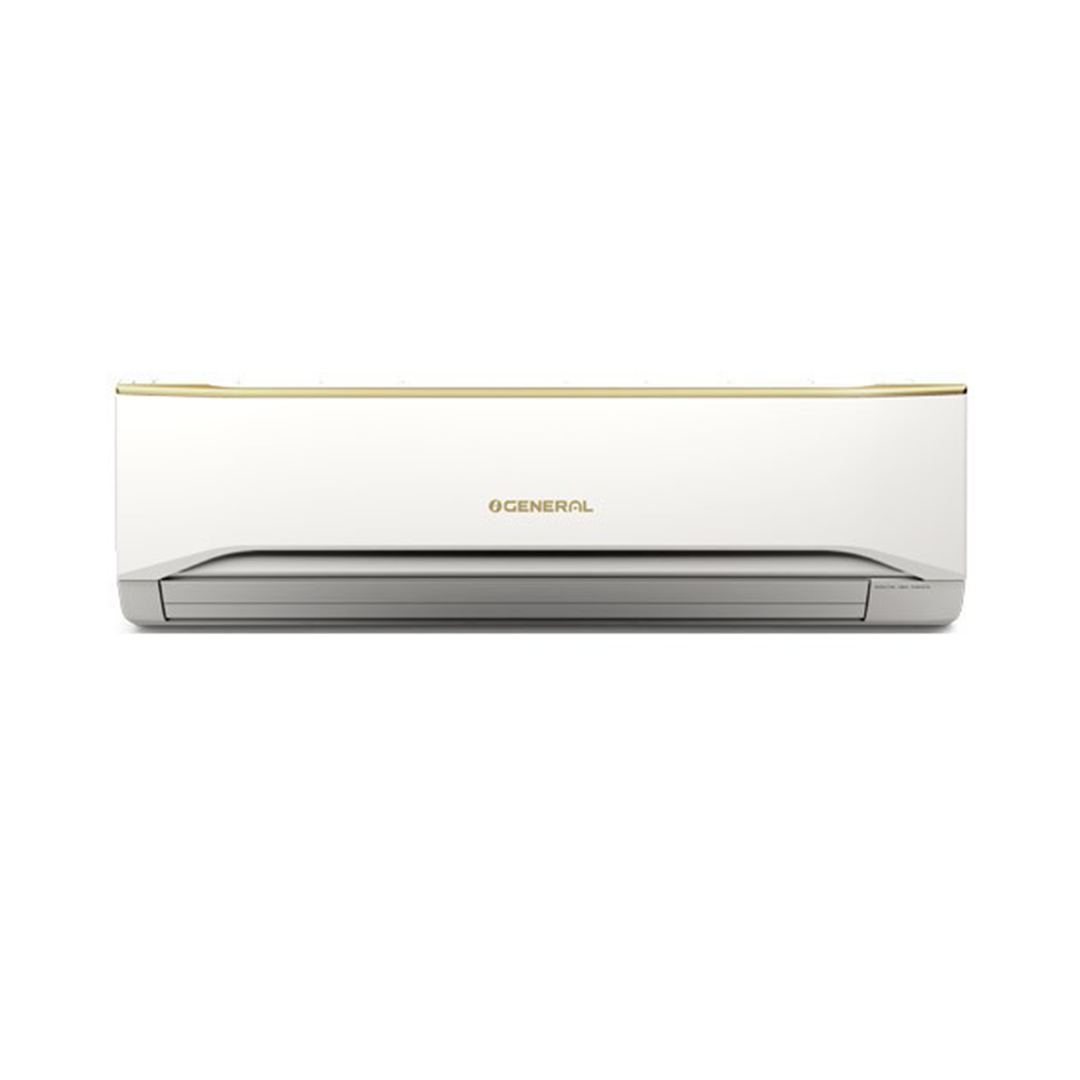
Image Source: www.asthaelectro.com
What a 2.5 Ton Air Conditioner Does
Before we talk about money, let’s quickly say what a 2.5 ton AC is. The “ton” part does not mean weight. It tells you how much heat the AC can take out of the air in an hour. One ton equals taking away 12,000 BTUs (British Thermal Units) of heat per hour.
So, a 2.5 ton air conditioner can remove 30,000 BTUs (2.5 x 12,000) of heat each hour.
How big is this type of AC good for? A 2.5 ton AC usually works well for homes or areas that are about 1,200 to 1,800 square feet in size. This is just a rough guess. The right size depends on other things too. These include how tall your ceilings are, how many windows you have, how well your home is insulated, where you live (the climate), and how much sun your home gets.
Getting the right size is very important. If the AC is too small, it won’t cool your home enough on hot days. If it’s too big, it will turn on and off too often. This wastes energy and does not take enough moisture out of the air, making your home feel sticky. A heating and cooling expert (HVAC pro) can figure out the exact size you need.
Breaking Down the Money: The Two Big Costs
When you look at the total price of a new 2.5 ton air conditioner, you are paying for two main things:
- The AC unit itself (the equipment).
- Putting the AC unit in your home (the installation).
Let’s look closely at each part.
Money for the 2.5 Ton AC Unit Itself
The cost of just the air conditioner unit without putting it in can change a lot. The 2.5 ton AC unit price depends on many things, like the type of system and the brand name.
There are two main types of AC systems people put in homes:
- Central Air Conditioners: These systems have one unit outside that cools the air. This cool air is then sent through pipes called ducts all over your house. This is the most common type in many homes. The 2.5 ton central air conditioner cost usually covers the outdoor unit (condenser) and the indoor part that works with your furnace (evaporator coil).
- Split System Air Conditioners: These also have an outdoor unit and one or more indoor units. But they don’t always use ductwork. Ductless mini-split systems are a type of split system. A 2.5 ton split AC price can be for one outdoor unit and one large indoor unit, or one outdoor unit and several smaller indoor units connected to it.
The 2.5 ton AC unit price range for just the equipment usually falls between $1,500 and $4,000.
- Basic central AC units might be on the lower end.
- More advanced central units with higher energy efficiency or special features will cost more.
- Ductless mini-split systems, especially those with multiple indoor zones, can be more expensive per ton than central air, but a 2.5-ton system could fall within or exceed this range depending on the setup.
Money for Putting the AC In (Installation)
The cost to install a 2.5 ton AC is a big part of the total price. The 2.5 ton AC installation cost covers the labor of the workers, any extra parts needed (like new pipes, wires, or a new pad for the outdoor unit), and sometimes getting permits from the local government.
Installation costs change based on:
- How Complex the Job Is: Is it a simple swap of an old unit for a new one? Or does the installer need to put in new ductwork, change electrical wiring, or build a new base for the unit? More work means higher costs.
- Where You Live: Labor rates for workers are different in different cities and states.
- The HVAC Company: Different companies charge different prices for their work.
- Time of Year: Installing in the busiest times (like the start of summer) might cost more than in the off-season.
The 2.5 ton AC installation cost can range from $1,500 to $4,000 or more. This range can be wide because some jobs are much harder than others. A simple replacement where the old ductwork and wiring are fine will be on the lower end. A job where new ducts are needed or the unit is going in a hard-to-reach place will be on the higher end.
Total Money: Unit Plus Installation
When you add the cost of the unit and the cost of putting it in, you get the total price. The average cost for 2.5 ton AC with installation is roughly $3,000 to $8,000.
This is just an average. Some homes might pay a bit less if they get a basic unit and have an easy installation. Some homes might pay much more if they choose a very fancy, energy-saving unit and the installation is very complex.
If you are looking at the cost to replace 2.5 ton AC, it is often in a similar range. Replacing an old unit might be slightly cheaper if the existing setup (ducts, wiring, pad) is in good shape and can be used again. However, sometimes codes have changed, or the old setup isn’t right for the new, more efficient unit, which can add costs. Replacing an old unit might also involve extra costs for taking away and getting rid of the old AC safely.
Things That Change the Price of a 2.5 Ton AC
Many things can make the 2.5 ton AC unit price and the total installation cost go up or down. Deciphering these factors helps you understand why quotes from different companies can be so different.
Here are the main things affecting 2.5 ton AC price:
- The Brand: Just like cars or TVs, some brands of air conditioners cost more than others. Well-known brands with a long history and good reputations often have higher prices. Different brands 2.5 ton AC cost will vary. Some brands might focus on being low-cost, while others focus on high quality, long life, or top energy efficiency.
- Energy Efficiency (SEER/SEER2 Rating): This is a big one. SEER (Seasonal Energy Efficiency Ratio) and the newer SEER2 rating tell you how well an AC uses energy. A higher number means it uses less energy to cool your home. AC units with higher SEER or SEER2 ratings cost more to buy. A basic unit might have a SEER of 14 (the lowest allowed by law in some places), while a high-efficiency unit could have a SEER2 of 20 or higher. While the upfront cost is higher for high-efficiency models, they can save you a lot of money on your electricity bills over time.
- Special Features: Some AC units come with extra features that add to the cost. These can include things like:
- Variable-speed compressors (these can run at different speeds, making cooling more even and saving energy).
- Two-stage compressors (these have a high and low setting).
- Quieter operation technology.
- Smart thermostat compatibility built-in.
- Better air filters.
Units with more bells and whistles will have a higher 2.5 ton AC unit price.
- Type of System: As mentioned, a central air system might have a different price structure than a ductless mini-split system for the same tonnage. If you need a heat pump (which can heat and cool), it will cost more than an AC-only unit.
- Complexity of the Job Site: This greatly affects the 2.5 ton AC installation cost.
- Ductwork: Does the installer need to fix, change, or put in new ductwork? This is a major job and adds significant cost.
- Electrical Work: Does the electrical panel need an upgrade? Is new wiring needed from the panel to the AC unit? This requires an electrician and adds cost.
- Location of Units: Is it easy to place the outdoor unit? Is it easy to access the place where the indoor unit goes? Working in tight spaces or difficult locations takes more time and effort, costing more.
- Code Requirements: Local building codes might require certain updates (like newer safety switches or improved drainage) when installing a new system, adding to the price.
- Where You Live: Costs for labor, permits, and even the price of the equipment from suppliers can be different depending on your geographic location.
- Time of Year: HVAC companies are busiest right before and during the hottest parts of summer. If you need an emergency replacement in peak season, you might pay more due to high demand. Scheduling installation in the spring or fall might give you more options and possibly better prices.
- Old Unit Removal: If you are replacing an old unit, the company will charge a fee to take away and get rid of the old equipment properly.
Knowing about these factors helps you understand the quotes you get. It’s not just about the 2.5 ton AC unit price; it’s the whole package.
Comparing Prices for a 2.5 Ton AC
Looking at the price comparison 2.5 ton AC shows the big range. It helps to think about the different types and efficiency levels.
Here is a simple table showing possible price ranges, keeping in mind that these are rough numbers and can change a lot based on the factors we talked about:
| System Type & Efficiency Level | Rough Unit Price Range | Rough Installation Cost Range | Total Estimated Cost Range |
|---|---|---|---|
| Central AC | |||
| Basic Efficiency (14-16 SEER) | $1,500 – $2,500 | $1,500 – $3,500 | $3,000 – $6,000 |
| Mid-Range (16-18 SEER) | $2,000 – $3,000 | $1,800 – $4,000 | $3,800 – $7,000 |
| High Efficiency (18+ SEER/SEER2) | $2,500 – $4,000+ | $2,000 – $4,500+ | $4,500 – $8,500+ |
| Ductless Mini-Split (Single Zone) | |||
| Standard Efficiency | $1,800 – $3,000 | $1,800 – $3,500 | $3,600 – $6,500 |
| High Efficiency | $2,500 – $4,000+ | $2,000 – $4,000+ | $4,500 – $8,000+ |
| Ductless Mini-Split (Multi-Zone – e.g., 1 outdoor, 2-3 indoor units) | |||
| Standard to High Efficiency | $3,000 – $5,000+ | $2,500 – $5,000+ | $5,500 – $10,000+ |
Note: These are just examples. The total cost can go higher, especially for complex multi-zone ductless systems or central systems with major ductwork overhauls.
Looking at different brands 2.5 ton AC cost can also show differences. Some well-known brands you might see include Carrier, Lennox, Trane, Rheem, Goodman, York, and Fujitsu (often for mini-splits). Each brand might have different price points for similar efficiency levels. Goodman and Rheem are often seen as more budget-friendly options, while Carrier, Lennox, and Trane might be on the higher end, known for quality and features. Getting quotes for the same type and efficiency level from different brands is wise.
Remember the 2.5 ton AC unit price range is just for the equipment. The total cost includes labor and other materials needed for installation.
Getting the Right Fit and Price
Making a good choice for your home means not just looking for the lowest price. Here’s how to make sure you get the right AC for a fair cost:
- Get a Load Calculation: Before you even think about price, have a professional HVAC company do a Manual J load calculation. This science-based process figures out exactly what size AC your home needs, taking into account its unique features. This prevents you from buying a 2.5 ton unit if you actually need a 3 ton, or if a 2 ton would be enough. Getting the size right is key to comfort and efficiency.
- Get Multiple Quotes: Contact at least three different HVAC companies. Ask them to give you a detailed quote for installing a 2.5 ton AC (or the size needed based on the load calculation). Make sure all quotes are for similar types of systems (e.g., comparing a basic 14 SEER central AC from three companies).
- Compare Quotes Carefully: Don’t just look at the bottom line price. Look at what is included:
- The specific model and brand of the AC unit.
- The SEER or SEER2 rating.
- Warranty details for parts and labor.
- What installation steps are included (e.g., removing old unit, electrical work, duct sealing).
- Payment schedule.
- Read reviews of the companies. A very low price might mean lower quality work or hidden costs later.
- Ask Questions: Don’t be afraid to ask the installers about the factors affecting 2.5 ton AC price in your quote. Why is one quote higher than another? What are the options for different efficiency levels or features?
Ways to Save Money on a 2.5 Ton AC
The average cost for 2.5 ton AC might seem high, but there are ways to lower the amount you pay upfront or over time:
- Rebates and Tax Credits: Check for money-back offers or tax breaks from your local energy company, state government, or the federal government. High-efficiency AC units often qualify for these programs, which can take hundreds or even thousands of dollars off the cost. Your HVAC company should know about these, but it’s good to check yourself too.
- Financing Options: Many HVAC companies offer payment plans. This allows you to spread the cost over several months or years. Be sure to check the interest rate.
- Off-Season Installation: If your old unit is still working or you are putting in AC for the first time, consider doing it in the cooler months (fall or spring). Companies might be less busy and could offer better pricing.
- Proper Sizing: As mentioned, getting the right size saves money in the long run on energy bills. Don’t oversize to “be safe”; it wastes money.
- Compare Brands: While quality matters, comparing different brands 2.5 ton AC cost for similar efficiency levels can save you money on the unit itself.
- Negotiate: Sometimes, there is a little room to negotiate, especially if you have multiple quotes.
The Money Over Time: Running and Keeping Your AC
Beyond the upfront 2.5 ton AC unit price and installation cost, remember the money you will spend over the years:
- Energy Bills: This is the biggest ongoing cost. A more energy-efficient unit (higher SEER2) will cost less to run each month than a lower-efficiency one. This is where paying more upfront for efficiency can save you a lot of money over the 10-15 year life of the system.
- Maintenance: Air conditioners need regular check-ups, usually once a year before the cooling season. This helps the unit run well, saves energy, and can help it last longer. A yearly tune-up might cost $100-$200.
- Repairs: Like any machine, ACs can break down. The cost of repairs will depend on what goes wrong. Getting regular maintenance can help find small problems before they become big, expensive ones.
The cost to replace 2.5 ton AC down the road also includes the cost of getting rid of the old unit safely.
Summary of 2.5 Ton AC Costs
To wrap up the average cost for 2.5 ton AC:
- The 2.5 ton AC unit price range is roughly $1,500 to $4,000+.
- The 2.5 ton AC installation cost is roughly $1,500 to $4,000+.
- The total estimated cost is typically $3,000 to $8,000 or more.
- The cost to replace 2.5 ton AC is usually in a similar range, maybe slightly less if no major changes are needed.
- Many factors affecting 2.5 ton AC price, including brand, efficiency, features, job complexity, and location, cause the wide price range.
- Doing a price comparison 2.5 ton AC between different companies and different brands 2.5 ton AC cost is important.
Getting a new AC is a big expense for your home. Taking the time to get the right size, compare quotes carefully, and look for rebates will help you get the best value for your money, both now and in the future.
Frequently Asked Questions (FAQ)
Q: Is a 2.5 ton AC enough for my house?
A: It depends on the size of your house and other things like how well it’s insulated and your local climate. A 2.5 ton AC typically cools about 1,200 to 1,800 square feet. The best way to know for sure is to have an HVAC professional do a calculation specific to your home.
Q: How long does it take to install a 2.5 ton AC?
A: A simple replacement job might take one day. If new ductwork or major electrical changes are needed, it could take two days or more.
Q: What does SEER mean?
A: SEER stands for Seasonal Energy Efficiency Ratio. It’s a number that tells you how energy efficient an air conditioner is. A higher number means it uses less electricity to cool your home, saving you money on energy bills. SEER2 is a newer version of this rating.
Q: Is a higher SEER worth the extra cost?
A: For most homeowners, yes. While high-efficiency units cost more upfront (affecting the 2.5 ton AC unit price), the money saved on energy bills over the life of the system often adds up to more than the extra cost. It’s also better for the environment.
Q: What’s the difference between a central AC and a mini-split?
A: Central ACs use ducts to send cool air through the whole house from one outdoor unit and one indoor coil (usually with the furnace). Mini-splits have an outdoor unit connected to one or more indoor units placed directly in the rooms they cool, often without ducts. A 2.5 ton central air conditioner cost and a 2.5 ton split AC price can be different, partly because of the system type and how installation is done.
Q: Should I fix my old 2.5 ton AC or replace it?
A: If your AC is older than 10-12 years and needs an expensive repair (like a compressor), replacing it is usually the better choice. Newer units are much more energy-efficient and come with warranties, making the cost to replace 2.5 ton AC a worthwhile investment for long-term savings and comfort. If the repair is cheap and the unit is relatively new, fixing might be better.
Q: Can I install a 2.5 ton AC myself to save money?
A: No, installing an AC is complex and involves working with refrigerants, high-voltage electricity, and sometimes ductwork. It requires special tools and knowledge. Improper installation can be dangerous, damage the unit (voiding the warranty), and lead to poor performance and higher energy bills. The 2.5 ton AC installation cost is for professional work, which is strongly recommended.
Q: How does the brand affect the price?
A: Different brands 2.5 ton AC cost varies based on their reputation for quality, research into new technology, and warranty offers. Premium brands usually cost more, while budget brands are less expensive. The key is to find a balance between cost, reliability, and efficiency.