
Lard, a rendered form of pork fat, has been a staple in kitchens for centuries. It’s loved for its ability to create flaky pie crusts, crispy fried foods, and flavorful savory dishes. But like all fats, lard doesn’t last forever. Knowing its lifespan, especially when kept cold, is key to avoiding food waste and ensuring your cooking tastes its best. A common question is, how long is lard good in the fridge? The answer depends on several things, including how it was made and how it’s stored. Keeping lard in the fridge significantly extends its shelf life compared to leaving it at room temperature.
Lard turns bad when it becomes rancid. This is a chemical process where fats spoil, changing their smell, taste, and even texture. It’s not caused by bacteria like other food spoilage. Instead, it happens when fats are exposed to air, light, and heat over time. These things break down the fat molecules.
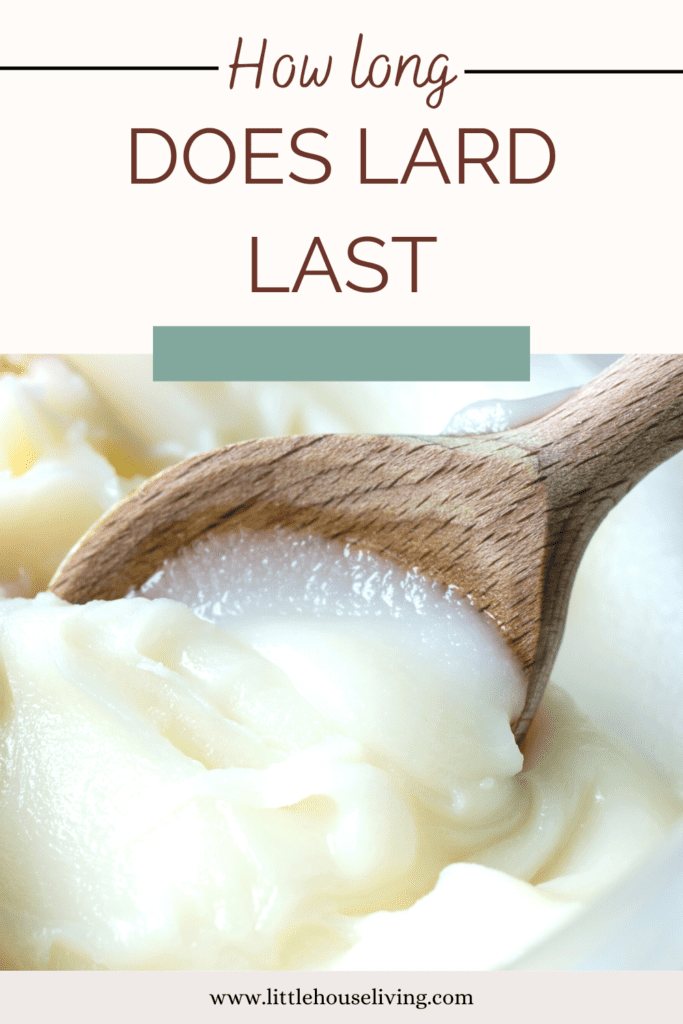
Image Source: www.littlehouseliving.com
Grasping the Basics of Lard’s Lifespan
How long can you really keep lard before it’s past its prime? Let’s look at the key factors that impact how long your lard stays good, focusing on lard shelf life in fridge.
Putting lard in the fridge makes it last much longer. At room temperature, lard can go bad in just a few weeks or months, depending on the type and conditions. But the cold slows down the changes that make fat rancid.
Lard storage temperature is very important. The ideal temperature for storing lard in the fridge is usually between 35°F and 40°F (1°C to 4°C). Keeping it consistently cold helps a lot. Fluctuations in temperature can cause condensation, which can speed up spoilage, although rancidity is the main issue, not microbial growth in pure fat.
Types of Lard and Their Lifespan
Not all lard is the same. The way it’s processed affects how long it lasts.
- Rendered Lard: This is fat that has been heated slowly to separate the pure fat from any meat scraps or water. Well-rendered lard, especially if it’s been double-rendered for purity, tends to last longer because impurities are removed.
- Hydrogenated Lard: Some store-bought lard is hydrogenated. This means hydrogen has been added to the fat molecules. This process makes the fat more stable and solid at room temperature. Hydrogenated lard usually has a longer shelf life than non-hydrogenated types, even at room temperature, and will last even longer in the fridge.
- Unrendered Fat (Leaf Fat, Fatback): This is the raw fat before it’s been melted down. It spoils much faster than rendered lard because it contains water and other tissues. You need to render it before storing it long-term.
So, how long does lard shelf life in fridge stretch?
For commercial, hydrogenated lard, you can often keep it in the fridge for up to a year after opening, as long as it’s stored properly. The packaging usually has a “best by” or “expiration” date, but refrigeration extends this greatly.
For homemade rendered lard or commercial non-hydrogenated lard, the fridge shelf life is typically shorter. Expect it to last safely for about 4 to 6 months in the fridge. This can vary based on how well it was rendered and how it’s stored.
Remember, these are just estimates. The real test is always checking the lard before you use it.
Recognizing Spoiled Lard
The biggest worry with old lard is rancidity. How to tell if lard is bad is mostly about using your senses, especially smell.
Signs of rancid lard are usually easy to spot if you know what to look for. Rancid fat smells bad. It tastes bad too. It might also change color or texture.
Interpreting Changes in Smell
The most reliable way to know if lard is bad is by smelling it. Smell of spoiled lard is very distinct and unpleasant.
- Good Lard: Fresh lard has a very mild, clean smell. It might smell slightly porky, but it’s not strong or offensive.
- Spoiled Lard: Rancid lard smells harsh, like old cooking oil, crayons, or even metallic or chemical. It’s definitely not the clean smell you want in your food. If you take a sniff and it smells “off,” it’s likely rancid.
Do not try to cook with rancid lard to see if the smell goes away. It won’t. It will make your whole dish taste bad.
Interpreting Changes in Appearance and Texture
While smell is the best indicator, look at the lard too.
- Good Lard: Should be solid and smooth when cold. It might be white or slightly off-white.
- Spoiled Lard: Might turn yellowish or darker in color, especially on the surface or edges that have been exposed to air. The texture might seem a bit gummy or sticky. However, changes in color or texture aren’t always present, especially in the early stages of rancidity. The smell is key.
Is Old Lard Safe to Use?
This is an important question. Is old lard safe to use? If it smells and looks fresh, yes, it is likely safe. The main issue with old, non-rancid lard is that its quality might have lessened slightly, meaning it might not perform as well in cooking (like making pastry flaky).
However, if the lard shows signs of rancid lard (especially the bad smell), it is not safe to use. Eating rancid fats, even in small amounts, can cause an upset stomach. More importantly, rancid fats contain free radicals, which are unstable molecules that can potentially harm your body’s cells over time. While a tiny bit might not cause immediate harm, it’s best to avoid them completely. Discard any lard that smells or looks rancid.
Interpreting Proper Storage Methods
Getting the longest lard shelf life in fridge means storing it correctly. Best way to store lard involves keeping out the things that cause rancidity: air, light, and heat.
Storing Lard in the Fridge
The fridge is an excellent place for lard, especially for lard you plan to use within several months.
- Use Airtight Containers: This is crucial. Air speeds up rancidity. Store lard in containers that seal tightly. Glass jars with tight-fitting lids, ceramic crocks with lids, or plastic containers designed for food storage work well. Make sure there’s as little air gap as possible between the lard’s surface and the lid. You can even press plastic wrap directly onto the surface of the lard before putting the lid on for extra protection against air.
- Avoid Light: Light also promotes rancidity. Store lard in opaque containers or keep clear containers in a dark part of the fridge.
- Keep it Cold: As mentioned,
lard storage temperaturein the fridge should be consistently low, ideally below 40°F (4°C).
Storing Rendered Lard
Storing rendered lard correctly is key to its lifespan. After you’ve melted and strained the fat, you need to pour it into your chosen storage containers while it’s still hot (but not boiling). Filling the container leaves less room for air. Let it cool completely at room temperature before putting on the lid and moving it to the fridge or freezer. Putting a lid on hot lard creates condensation inside the container, which is not ideal for long-term storage.
- Choose the Right Container: For
storing rendered lard, glass jars (like Mason jars) are popular. They are non-reactive and easy to clean. Make sure they are clean and dry before adding the lard. - Fill Containers Fully: Fill jars or containers as much as possible to reduce the amount of air trapped inside.
- Cool Before Sealing: Let the lard cool and solidify completely before putting on airtight lids.
- Label and Date: Always label your containers with the date you stored the lard. This helps you keep track of how old it is and manage your stock.
Comparing Storage Locations
Let’s look at how different storage places affect lard’s life.
| Storage Location | Approximate Shelf Life (Opened/Rendered) | Notes |
|---|---|---|
| Pantry (Room Temp) | 1-3 months (non-hydrogenated) | Faster spoilage; only for short-term; hydrogenated lasts longer. |
| Refrigerator | 4-6 months (homemade/non-hydro) | Best balance of convenience and extended life; slows down rancidity. |
| Refrigerator | Up to 1 year (commercial hydrogenated) | Longer life due to processing; fridge is still best after opening. |
| Freezer | 1-2 years or longer | Longest storage option; ideal for bulk storage. |
This table highlights why the fridge is a good middle ground, greatly extending life compared to the pantry without the extra step of freezing and thawing.
Comparing Homemade vs. Store-Bought Lard
People often wonder, does homemade lard last longer than what you buy in the store? The answer isn’t a simple yes or no. It depends heavily on the quality of the rendering process.
- Store-Bought Lard: Commercial lard, especially hydrogenated versions, is processed to be very stable. They remove almost all water and impurities. The hydrogenation process also makes it less likely to go rancid quickly. Because of this stability, commercially processed lard can sometimes last longer, especially at room temperature or in the fridge, compared to homemade lard that wasn’t perfectly rendered.
- Homemade Lard: If homemade lard is rendered very carefully and thoroughly – meaning all water is removed and it’s strained well to get rid of cracklings (the crispy bits of meat left over) – it can have a very good shelf life. However, if there are still traces of water or small bits of protein left in the fat, these can speed up spoilage. Homemade lard is usually not hydrogenated, making it naturally less stable than hydrogenated store varieties.
So, generally, does homemade lard last longer? Often, no, not compared to hydrogenated store lard. It typically has a similar or slightly shorter fridge life (4-6 months) compared to commercial non-hydrogenated lard. The purity achieved during rendering is the biggest factor for homemade lard. A perfectly rendered batch stored correctly might last just as long as good quality commercial non-hydrogenated lard in the fridge. But a batch with impurities will spoil faster.
The benefit of homemade lard isn’t usually longer shelf life, but often flavor and knowing exactly where the fat came from.
Fathoming Freezing Lard
Okay, we know can you freeze lard? Yes! Freezing is the best way to store lard for a very long time. It stops rancidity almost completely.
How Freezing Extends Shelf Life
The extremely cold temperatures in a freezer (-0.4°F / -18°C or colder) drastically slow down the chemical reactions that cause fat to spoil. Freezing essentially puts the lard’s aging process on pause.
How to Freeze Lard
Freezing lard is easy.
- Cool Completely: Make sure the lard is completely cool and solid before freezing.
- Portion: If you have a large batch, consider dividing it into smaller amounts that you’ll use in a reasonable time after thawing. This prevents you from having to thaw and refreeze the whole batch repeatedly.
- Use Freezer-Safe Containers: Store lard in airtight, freezer-safe containers. This could be glass jars, plastic containers, or even heavy-duty freezer bags (squeeze out as much air as possible). The goal is to prevent contact with air and to protect against freezer burn (though freezer burn is less common with pure fat than with foods containing water).
- Label: Clearly label each container with “Lard” and the date it was frozen.
Can You Freeze Lard More Than Once?
Technically, you can freeze lard more than once. However, thawing and refreezing can expose it to warmer temperatures and air each time, which slightly increases the risk of quality loss or starting the rancidity process. It’s best to freeze lard in portions that you will use within a week or two of thawing, to minimize refreezing.
Thawing Frozen Lard
Thawing lard is simple. Move the container from the freezer to the fridge. It will likely take 24-48 hours for a standard-sized container to thaw in the fridge. Avoid thawing at room temperature, as this can expose the fat to warmer conditions for too long. Once thawed, store it in the fridge and use it within the typical refrigerated timeframe (4-6 months for homemade/non-hydrogenated, up to a year for commercial hydrogenated).
Freezing storing rendered lard is the champion for long-term storage, giving you can you freeze lard shelf life of 1-2 years or even longer if kept consistently frozen.
Interpreting Safe Usage
We’ve talked about is old lard safe to use (only if not rancid) and how to tell if lard is bad (smell is key). Let’s reinforce the importance of safe practices.
Using rancid lard isn’t just about bad taste. As mentioned, it can cause minor digestive issues and introduces potentially harmful compounds into your diet. It’s simply not worth the risk or the ruined dish.
When to Discard Lard
Err on the side of caution. If you open your container of lard from the fridge (or pantry, or freezer) and notice any of these:
- A strong, unpleasant smell (like crayons, metal, or old oil). This is the most important sign.
- Significant yellowing or darkening that wasn’t there before.
- A noticeably gummy or sticky texture.
Discard the lard immediately. Don’t try to skim off the top layer or heat it to fix it. The rancidity likely affects the whole batch, even if the signs are strongest on top.
It’s also a good idea to discard lard if you simply don’t know how old it is, and it’s been sitting for a very long time (many months beyond the typical fridge life). While it might still be okay, the risk increases with time.
Using Lard From the Fridge
When you take lard from the fridge to use, let it soften slightly at room temperature if your recipe requires soft fat (like for pastry). Only take out the amount you need. Quickly put the unused portion back into the fridge. Minimizing the time the lard spends at warmer temperatures helps maintain its quality and lard shelf life in fridge.
Frequently Asked Questions
Here are answers to some common questions about lard and its keeping quality.
Q: What exactly causes lard to go rancid?
A: Lard goes rancid through a process called oxidation. This happens when oxygen in the air reacts with the fat molecules. Light and heat speed up this reaction. This is why storing lard in airtight containers in a cool, dark place (like the fridge) is so effective at preventing rancidity.
Q: Can I cook with rancid lard? Will heating it make it safe?
A: No. You should never cook with rancid lard. Heating it will not make it safe or remove the bad smell and taste. It will only make your food taste bad and you will still be consuming the rancid fat compounds.
Q: What’s the difference between lard and shortening?
A: Lard is rendered pork fat. Shortening is typically made from vegetable oils that have been hydrogenated to make them solid at room temperature. While they can sometimes be used interchangeably in recipes, they have different flavors (lard has a subtle pork flavor) and textures, and their exact properties in baking (like creating flakiness) can differ. Their shelf lives can also vary based on their specific processing and ingredients.
Q: My lard has been in the fridge for 7 months. Does it mean it’s definitely bad?
A: Not necessarily. The shelf life estimates are just guides. Check your lard using your senses. If it smells clean and looks fine, it’s likely still good to use, especially if it’s commercial hydrogenated lard or perfectly rendered homemade lard stored very well. If you see or smell any signs of rancid lard, discard it. When in doubt, throw it out.
Q: Can I leave lard out on the counter if I use it often?
A: Yes, for short periods. If you use lard daily for cooking, a small amount can be kept in a covered container on the counter for a week or two. However, it will start to go rancid much faster than in the fridge. For best quality and longer life, the fridge is preferred, and for any lard you won’t use quickly, fridge or freezer storage is necessary.
Q: Does covering lard with salt help preserve it?
A: Traditionally, salt was used to cure meat and fat, which helped preserve it before refrigeration. However, for rendered lard, salt is not a necessary or effective preservative against rancidity (oxidation). Proper rendering and airtight, cold storage are the modern, reliable methods. Adding salt won’t extend the lard shelf life in fridge.
Summing Up Lard Storage
Storing lard properly is simple but important for getting the most out of this valuable fat. Lard shelf life in fridge depends on the type of lard and how well it’s sealed and kept cold. Commercial hydrogenated lard can last up to a year in the fridge, while homemade or non-hydrogenated types are best used within 4-6 months.
Always rely on your nose to tell you how to tell if lard is bad. A rancid smell is the clearest warning sign. Don’t ignore the smell of spoiled lard – it means the fat is no longer good. Is old lard safe to use? Only if it shows no signs of rancid lard. When in doubt, discard it.
The best way to store lard is in an airtight container in a cool, dark place. The fridge is excellent for everyday use and extending shelf life. For longer storage, can you freeze lard is a definite yes, offering years of freshness. Storing rendered lard correctly, whether homemade or commercial, in airtight containers at the right lard storage temperature is key to preventing rancidity and enjoying the unique qualities of lard in your cooking for as long as possible. By paying attention to storage and spoilage signs, you can avoid wasting this useful ingredient.