
So, why would your fridge be leaking water? There are a few main reasons this happens. Most times, it’s because of issues with the fridge’s defrost system, the water dispenser or ice maker parts, or even just a simple issue with how the fridge is sitting or how the door seals. Finding the leak and fixing it often involves checking a few key places inside and behind your refrigerator.
Finding water around your fridge is never good news. It can make a mess. It can ruin floors. It can also mean something is not working right inside your appliance. Let’s look at why water might be getting out.
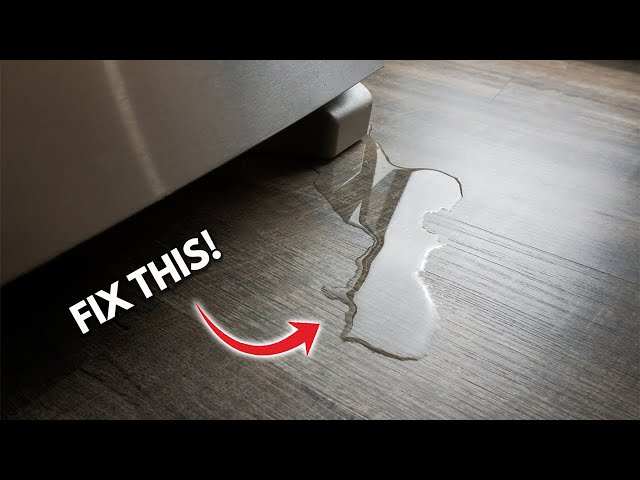
Image Source: i.ytimg.com
Interpreting the Leak
Where is the water coming from? Is it inside the fridge? Is it under the fridge? Is it near the freezer? Is it happening often? Knowing where the water is helps you figure out the problem.
Water on the Floor Under the Fridge
If you see water under your refrigerator, it is a common problem. This often means water is coming from the back or bottom of the fridge. It could be the drip pan overflowing or a water line leaking. Sometimes, it is water from a clogged drain that has nowhere else to go.
Water Inside the Fridge
Seeing water inside your fridge, maybe on the shelves or in the bottom drawer, usually points to a problem inside the cold sections. This can happen if the freezer drain is blocked. Water from the freezer’s defrost cycle drips down into the fridge section instead of going to the drain pan. You might see water leaking from the freezer into the fridge.
Water Near the Ice Maker or Water Dispenser
If the water is near the ice maker or the water dispenser, the problem is likely related to these parts. A leaky ice maker or a problem with the water dispenser could be the source. Also, the water supply line that brings water to these parts might have a leak.
Major Reasons for a Fridge Leaking Water
Let’s break down the most common things that cause a fridge to leak water.
Clogged Defrost Drain
One of the most common reasons for water inside or under your fridge is a clogged defrost drain. Frost builds up in freezers. The fridge has a system to melt this frost. This is called the defrost cycle. The melted water should drip down into a drain hole. This drain hole leads to a tube. The tube goes to a drip pan at the bottom of the fridge.
If this drain hole or the defrost drain tube gets blocked, the water cannot go where it should. Ice or bits of food can cause a blockage. When the drain tube frozen or clogged defrost drain happens, the water backs up. It then flows into the freezer section or drips down into the fridge section. Eventually, this water can make its way out of the fridge and pool on the floor, causing water under refrigerator. This is a very frequent cause of a refrigerator not draining water the right way.
How to Check and Fix a Clogged Defrost Drain
- Find the drain: The drain hole is usually at the back wall of the freezer or fridge section, often at the bottom. Sometimes it is behind a panel.
- Look for ice: See if you can see ice blocking the hole.
- Clear the blockage: You can use warm water to melt the ice. A turkey baster works well to push warm water into the hole. A small, soft wire or a pipe cleaner can help gently poke into the tube to clear debris. Be careful not to push anything sharp that could damage the tube.
- Check the pan: Make sure the water you pour goes down to the drip pan under the fridge.
- Clean the drain: After clearing the ice, mixing a little baking soda with warm water and pouring it down the drain can help clean it and prevent future clogs.
It is important to clear this blockage fully. If you don’t, the problem will come back.
Refrigerator Drip Pan Full or Damaged
Below your fridge, there is a tray called the drip pan. Water from the defrost drain tube goes into this pan. The water sits there and slowly evaporates because of the heat from the fridge’s motor. Most times, you do not need to empty this pan.
But sometimes, the drip pan full might happen. This can happen if:
* The defrost drain is sending too much water too fast (maybe it was recently clogged and cleared, or the defrost cycle is running too long).
* The environment is very humid, and the water is not evaporating fast enough.
* The pan is cracked or broken.
If the pan overflows or is broken, water will leak onto the floor, causing water under refrigerator.
How to Check and Fix the Drip Pan
- Find the pan: The drip pan is usually at the bottom back of the fridge. You might need to pull the fridge out from the wall. You might also need to remove a panel at the bottom back.
- Look at the pan: See if it is full of water. Check if it has any cracks.
- Empty the pan: If it is full, carefully remove it. It might be just sitting on a rail or held by a few screws. Pour the water out.
- Clean the pan: Wash the pan with soapy water.
- Check for cracks: If the pan is cracked, it will need to be replaced. You can often order a new one from the fridge maker or a parts store.
- Put it back: Make sure the pan is put back correctly.
If the pan was just full, make sure the defrost drain is not blocked, as that is often the root cause of the pan getting too much water.
Ice Maker Leaking Water
If your fridge has an ice maker, this is a common source of leaks. The ice maker uses water to make ice. If any part of this system is not working right, water can leak.
Problems can include:
* A valve that turns water on and off for the ice maker might be faulty and letting water through when it should not.
* The water line leading to the ice maker might be loose or damaged.
* The ice maker itself might be cracked or have a problem with its fill sensor.
* Ice can build up and block the path for ice or water, forcing water out elsewhere.
An ice maker leaking water will often result in water puddling in the freezer bottom. It can then melt or overflow, causing water to drip down into the fridge section (freezer leaking water into fridge) or even leak out onto the floor, creating water under refrigerator.
How to Check and Fix Ice Maker Leaks
- Look at the ice maker: Open the freezer. Is there ice built up where it should not be? Is the ice maker unit wet or icy on the outside?
- Check the water line: Find the small tube that connects to the ice maker. Is it secure? Does it look damaged?
- Check the fill arm/sensor: Some ice makers have an arm or sensor that tells it when the ice tray is full. If this is bent or broken, the ice maker might overfill with water, which then spills.
- Turn off the ice maker: If you suspect the ice maker, turn it off. Many freezers have a switch for this. See if the leaking stops.
- Inspect the valve: The water inlet valve is usually on the back of the fridge where the water line connects. Check for drips there. This valve might need replacement if it is leaking.
- Clear ice buildup: If ice is causing a blockage, defrost the freezer section where the ice maker is located. You might need to unplug the fridge for several hours (with doors open and towels ready for melting ice) to do this completely.
Fixing an ice maker leak can sometimes be tricky. If it is a faulty valve or the ice maker unit itself, you might need a repair person.
Water Dispenser Leaking Fridge
If your fridge has a water dispenser in the door, this is another likely source of a leak. A water dispenser leaking fridge issue often means the leak is happening right at the door.
Common causes include:
* The dispenser paddle or button is stuck or broken, causing water to run continuously.
* A valve or connection within the dispenser system is loose or leaking.
* The drip tray below the dispenser is full and overflowing (though this is usually a small puddle right there, not a major leak).
* The main water valve for the dispenser (often on the back of the fridge or under the sink) is leaking.
A water dispenser leak might cause water to run down the front of the door or pool on the floor in front of the fridge.
How to Check and Fix Water Dispenser Leaks
- Check the paddle/button: Make sure the dispenser paddle or button is not stuck. Clean around it to remove any sticky buildup.
- Look for drips: Does the dispenser drip water after you use it? A small drip might just be leftover water in the spout, but constant dripping means a problem.
- Inspect connections: If you can safely access the back of the fridge, check the water lines connecting to the dispenser system and the main water valve. Look for any signs of wetness or drips.
- Check the main water valve: The valve that supplies water to the fridge (usually a saddle valve or regular shut-off valve) can leak. Look for drips around it.
- Clean the spout: Sometimes, mineral buildup in the dispenser spout can cause water to spray or drip oddly. Cleaning it might help.
If the valve inside the door or the main water inlet valve is leaking, you might need a professional repair person to fix it.
Fridge Water Supply Line Leak
Refrigerators with ice makers and water dispensers need a water supply line. This is a thin tube that brings water from your home’s plumbing to the fridge. The fridge water supply line leak is a common reason for water under refrigerator.
Leaks can happen at any point:
* Where the line connects to your home’s water pipe (often under the sink or from a saddle valve).
* Along the length of the tube itself if it gets kinked, punctured, or old and brittle.
* Where the line connects to the back of the fridge (the water inlet valve).
* Where the line connects inside the fridge to the ice maker or water dispenser.
A leak here will cause a puddle that starts at the back of the fridge and spreads forward.
How to Check and Fix a Water Supply Line Leak
- Find the water line: It’s usually a thin plastic, copper, or braided metal tube running from the wall or floor behind your fridge to the back of the fridge.
- Follow the line: Look closely at the entire length of the line. Check connections at both ends and anywhere else it is joined.
- Feel for wetness: Run your hand along the line and connections. Do you feel any dampness?
- Look for damage: Is the tube kinked, cracked, or does it have a hole?
- Tighten connections: If a connection is loose, try gently tightening it. Do not overtighten, especially with plastic lines, as they can break.
- Replace the line: If the tube itself is damaged or a connection cannot be fixed, you might need to replace the section of the line or the whole line. Turn off the water supply before doing this. This can be a simple fix if it’s a straight section, but complex connections might require a plumber or appliance repair person.
Other Possible Reasons for Fridge Leaks
While the defrost drain, drip pan, ice maker, water dispenser, and supply line are the most common culprits, a few other things can cause leaks.
Refrigerator Door Seal Leaking
The rubber gasket or seal around your fridge and freezer doors is very important. It keeps the cold air in and the warm, moist air out. If the refrigerator door seal is not working right, warm air gets into the fridge or freezer.
When warm, moist air hits the cold surfaces, it creates condensation – small drops of water. If the seal is broken or loose, this condensation can form near the door opening. It can then drip down inside the door or even run down the outside of the fridge and pool on the floor, causing water under refrigerator or near the door.
A bad seal also makes your fridge work harder and can contribute to excess frost buildup, which can then cause issues with the defrost drain.
How to Check and Fix a Door Seal
- Look at the seal: Inspect the rubber gasket around the edge of the fridge and freezer doors. Does it look torn, cracked, or out of place?
- Clean the seal: Food bits or sticky spills can make the seal unable to close properly. Clean the seal and the surface it touches on the fridge with warm, soapy water.
- Test the seal: Close the door on a piece of paper. If you can pull the paper out easily, the seal might be weak in that spot. Do this test all around the door. Another test is to shine a flashlight from inside the dark fridge. If you see light from the outside, the seal is bad there.
- Fix a loose seal: Sometimes, the seal just needs to be pushed back into its groove.
- Replace a bad seal: If the seal is damaged or weak all around, it needs to be replaced. You can usually order a new gasket for your specific fridge model and install it yourself or have a technician do it.
Freezer Leaking Water into Fridge
We touched on this already with the clogged defrost drain, but it is worth mentioning specifically. When water from the freezer has nowhere to go (usually because of a blocked drain), it will naturally flow downhill. In a top-freezer model, this means it will flow from the freezer into the fridge section. In a side-by-side model, it might flow from the freezer side to the fridge side, often through the air vent channel between them. This symptom strongly suggests a problem with the defrost drain system.
How to Address Freezer Leaking Water into Fridge
- Confirm the source: Check the ceiling of the fridge section, especially under the freezer floor. Do you see water dripping or signs of water flow?
- Check the freezer drain: This is the most likely cause. Go through the steps for checking and clearing the clogged defrost drain (see above).
- Look for ice buildup: Is there a lot of ice in the freezer, especially on the back wall or floor? This indicates the defrost system is having trouble, which often ties back to the drain.
Resolving the issue causing the water backup in the freezer (usually the clogged drain) will stop the water from leaking into the fridge section.
Refrigerator Not Level
This might sound simple, but if your fridge is not sitting level on the floor, it can cause problems with drainage. The defrost drain system relies on gravity to move water to the drip pan. If the fridge tilts the wrong way, the water might pool inside the fridge or freezer instead of flowing to the drain. It could also make the drip pan less effective or cause water to spill from it more easily.
How to Check and Level Your Fridge
- Get a level: Use a basic level tool (like a carpenter’s level) on top of the fridge. Check if it is level from side to side and front to back. A slight tilt back is sometimes recommended by manufacturers to help doors close, but it should not be tilted sideways or significantly forward.
- Adjust the legs: Most fridges have adjustable legs or wheels at the bottom. You can usually turn them to raise or lower each corner. Use a wrench or pliers if needed.
- Make small adjustments: Adjust one leg at a time. Check the level again. Keep adjusting until the fridge is level or slightly tilted back as per the manual.
Making sure your fridge is level can solve subtle drainage issues and prevent water from pooling inside.
Summary of Common Leak Sources
Here is a quick overview of where leaks commonly start:
| Leak Location | Common Source(s) | What to Look For |
|---|---|---|
| Under the Fridge | Clogged Defrost Drain, Full/Cracked Drip Pan, Water Supply Line Leak, Ice Maker Leak overflow | Puddle on the floor, often spreading from the back. |
| Inside the Fridge | Clogged Defrost Drain, Freezer Leaking Water into Fridge | Water on shelves, in drawers, dripping from freezer. |
| Near Ice Maker/Freezer Floor | Ice Maker Leaking Water, Clogged Defrost Drain | Ice buildup, water puddle inside the freezer. |
| Near Water Dispenser | Water Dispenser Leaking Fridge | Water running down the door, puddle in front of fridge. |
| Near the Door Seal | Refrigerator Door Seal Leaking | Water dripping near the door edge, possibly on the floor. |
Steps to Take When Your Fridge Leaks
When you find water leaking from your fridge, take these steps:
- Unplug the fridge: For safety, especially if you are going to move it or look at parts in the back.
- Clean up the water: Use towels or a mop to dry up the water. This prevents damage to your floor.
- Try to find the source: Look carefully inside and around the fridge. See where the water seems to be coming from. Use the list above to help guide you.
- Check the most common places first: Look at the defrost drain hole (in the freezer/fridge back), the drip pan (under the fridge), the water supply line (behind the fridge), and the ice maker/water dispenser areas.
- Try a simple fix: If it looks like a clogged drain, try flushing it with warm water. If the drip pan is full, empty it. If a water line connection is slightly loose, gently tighten it.
- Observe: Plug the fridge back in after cleaning up and trying a fix. Watch to see if the leak stops or happens again.
- Call for help: If you cannot find the source, or the fix seems difficult or requires replacing parts you are not comfortable with (like valves or ice makers), it is best to call a qualified appliance repair technician.
Simple Care Tips to Prevent Leaks
A little care can help prevent some leaks:
- Keep the freezer clean: Avoid pushing food items tightly against the back wall of the freezer, especially near the bottom where the drain might be. This can help prevent the clogged defrost drain.
- Check the door seals: Clean the door seals now and then. Make sure they look like they are sealing well.
- Be careful with the ice maker/dispenser: Do not force the ice maker parts. Use the water dispenser correctly.
- Level your fridge: Check that your fridge is sitting level.
Taking these small steps can help keep your fridge running smoothly and prevent water from showing up where it does not belong.
Deciphering When to Call a Professional
You can fix some fridge leaks yourself. Clearing a clogged drain or emptying a drip pan are often simple tasks. However, some leaks mean bigger problems that need a skilled hand.
You should call a repair person if:
- You cannot find where the water is coming from.
- The leak seems to be from inside the wall of the fridge or freezer.
- The problem involves complex parts like the water inlet valve, the ice maker unit itself, or parts you cannot easily access.
- You tried a fix, but the leak came back.
- You are not comfortable working with water lines or electrical parts of the fridge.
Repair people have the tools and knowledge to diagnose difficult leaks and safely replace faulty parts. Ignoring a leak can lead to more damage, so it is important to address it even if you need help.
Frequently Asked Questions About Fridge Leaks
Here are some common questions people ask when their fridge is leaking.
Q: My fridge is leaking, but the freezer is full of ice. Are these related?
A: Yes, very likely. A freezer full of ice, especially on the back wall, often means the defrost system is not working right. This excess ice or frost can then melt during the defrost cycle, and if the drain is blocked by ice or debris (a clogged defrost drain), the water will overflow and cause leaks, both inside and potentially outside the fridge.
Q: I see water pooling inside the bottom of my fridge. What causes this?
A: This is almost always because the defrost drain hole or tube is blocked. The drain is usually located in the freezer, and the water that cannot go down the drain flows into the fridge compartment instead. This is a classic sign of freezer leaking water into fridge due to a drainage issue.
Q: Is it safe to use the fridge if it’s leaking?
A: A small, occasional leak might not be an emergency, but any continuous or large leak should be fixed quickly. Water and electricity are a bad mix. A constant leak can damage your floor, the fridge itself, and could potentially be a safety hazard. Unplug the fridge if the leak is significant until you can find the source or get it fixed.
Q: How do I find the defrost drain hole?
A: It is usually located at the bottom rear of the freezer compartment, often centered. You might see a small dip or hole. On some models, it is behind a plastic panel that you would need to remove. Look for signs of ice or water pooling near the back wall.
Q: My water dispenser is dripping constantly. Can I fix this myself?
A: Sometimes. First, make sure the paddle is not stuck and clean the area. If it still drips, it might be a faulty water inlet valve or a valve within the dispenser assembly in the door. You can check the main water valve behind the fridge for external leaks. If the leak is from inside the door or the main valve itself, you might need professional help. This is a specific type of water dispenser leaking fridge problem.
Q: The water supply line behind my fridge is leaking. What should I do?
A: First, turn off the water supply to the fridge immediately. The shut-off valve is usually where the water line connects to your house plumbing (often under the kitchen sink) or sometimes on the wall behind the fridge. Once the water is off, assess the leak. If it is a simple loose connection you can gently tighten, you might fix it. If the line is damaged or the valve is leaking, you will need to replace the line or valve. This might require a plumber or an appliance repair person. This is a serious fridge water supply line leak.
Q: Why would my refrigerator drip pan be full?
A: The drip pan collects water from the defrost cycle. It usually dries up on its own. If it is full, it means more water is getting there than can evaporate. The most common reason for this is a clogged defrost drain that recently cleared, sending a rush of water, or an ongoing issue causing excessive defrost water. High humidity can also play a role. If the pan is overflowing, it is definitely causing water under refrigerator.
Q: Can a leaking fridge cause damage to my floor?
A: Yes, definitely. Water leaks, especially over time, can damage wood floors, lift tiles, or ruin carpets. This is why it is important to address any fridge leak quickly to prevent costly floor repairs.
Q: How often should I check for leaks?
A: It is a good idea to check behind and under your fridge a couple of times a year as part of regular cleaning. If your fridge has a water dispenser or ice maker, also regularly check those areas for any signs of drips or leaks. Being proactive can catch a small leak before it becomes a big problem.
Wrapping Up
Finding water around your fridge is a hassle. But understanding the common reasons why your fridge would be leaking water can help you figure out what is wrong. Most leaks come from the defrost drain system (clogged defrost drain, defrost drain tube frozen, refrigerator not draining water), the water handling parts (ice maker leaking water, water dispenser leaking fridge, fridge water supply line leak), or too much water in the drip pan (refrigerator drip pan full). Sometimes, a bad door seal (refrigerator door seal leaking) or the fridge not being level can cause issues too, including freezer leaking water into fridge.
Often, a little looking and some simple steps can fix the problem. Clearing a clogged drain or emptying the drip pan might be all you need. For more complex issues like a damaged water line or a broken ice maker part, getting help from a professional is the best way to make sure your fridge gets fixed safely and correctly, stopping that annoying water under refrigerator. Deal with leaks fast to save your floor and keep your fridge working right.