
Image Source: lh3.googleusercontent.com
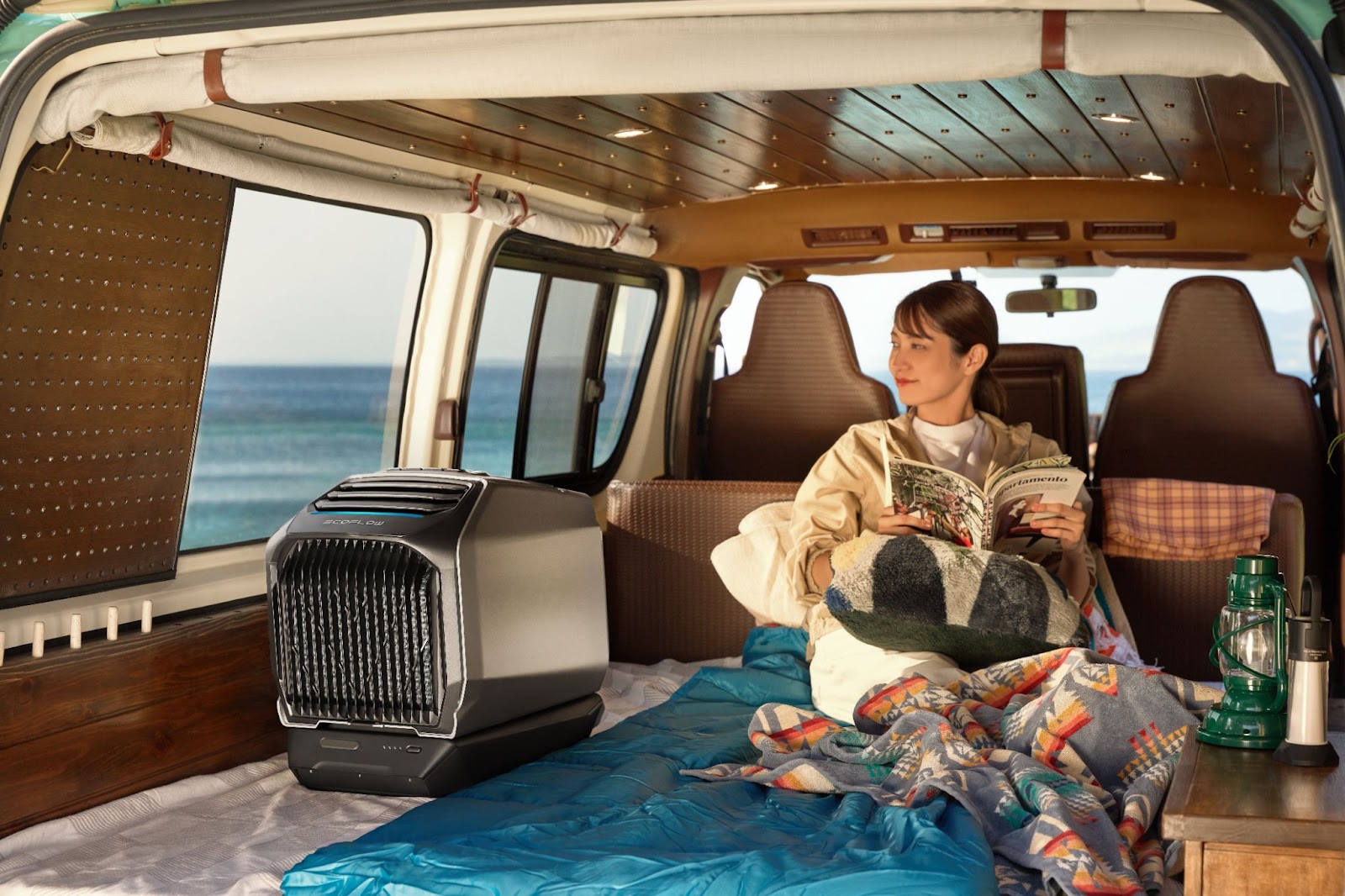
Tips: How Long Can You Run A Portable Air Conditioner Safely
Is it safe to run a portable air conditioner all day? Can you leave a portable air conditioner on overnight? Yes, it is generally safe to run a portable air conditioner all day and leave it on overnight, provided the unit is properly set up, maintained, and not damaged. The real question is not just can you run it constantly, but how to do it safely and efficiently, and for how long before requiring simple maintenance like drainage. The maximum runtime for a portable AC unit depends on several things, including its design, how humid the air is, and how well you take care of it.
Grasping Portable AC Operation
A portable air conditioner works much like a regular air conditioner. It pulls in warm air from the room. It cools this air. It then blows the cool air back into the room. A hose vents the hot air and moisture out a window. This process cools your space.
Portable AC continuous operation is possible. These machines are built to run for many hours. They can run non-stop if needed. But like any machine, how long they run well depends on care.
Key Factors in Runtime
Several things affect how long you can run a portable AC safely. Knowing these helps you keep your unit running.
Drainage Needs
This is a big one. Portable ACs pull moisture from the air. This water collects inside the unit. Most units have a tank or need a drain hose.
- Tank models: These tanks fill up. When the tank is full, the unit stops cooling. It might just run the fan. You must empty the tank for it to cool again. The time it takes to fill varies. It depends on humidity. In very humid places, a tank fills faster. It might need emptying every few hours. In dry air, it might take a day or more. Portable air conditioner drainage frequency is higher in humid areas.
- Drain hose models: These units can drain water continuously. You attach a hose to a drain port. The hose goes to a drain, like a bucket or floor drain. This allows for much longer runtime. It allows for portable AC continuous operation without stopping for drainage.
If you run a unit with a tank constantly in high humidity, it might stop cooling often. This limits its effective runtime.
Unit Condition and Care
A well-kept unit runs better and longer. Poor care can shorten its life. It can also create safety issues.
- Clean filters: Air filters catch dust and dirt. Dirty filters block airflow. This makes the unit work harder. It can cause the unit to overheat. Clean filters are a must for safe, long running.
- Clear exhaust hose: The hose moves hot air out. If it is bent or blocked, hot air builds up. This makes the unit less effective. It also increases the portable AC overheating risk.
- Coils: The cooling coils get dirty over time. Cleaning them helps the unit cool well.
Does running portable AC constantly damage it? Running a clean, well-maintained unit constantly is less likely to damage it. But running a dirty unit constantly can cause wear and tear. It can stress parts. This might lead to damage over time. Proper maintenance is key to avoiding damage from constant use.
Room Size and Outside Heat
The size of the room matters. A small unit in a big room works harder. It might run non-stop but not cool the room well. It might never reach the set temperature. Constant hard work can stress the unit.
Outside heat also plays a role. On very hot days, the unit struggles more. If sunlight hits the unit or the exhaust hose, it also adds heat. These factors make the unit run harder for longer.
Quality of the Unit
Not all portable ACs are the same. Higher quality units are built for tougher use. They may have better parts. They might manage heat and water better. A cheap unit might wear out faster with constant use. The manufacturer recommended portable AC run time might be different based on quality. Check the manual.
Consequences of Constant Operation
Running a portable AC for many hours has effects. These include how much power it uses and how hot it gets.
Power Use
Portable AC power consumption can be high. Cooling takes a lot of energy. Running the unit constantly means it uses a lot of power non-stop. This will raise your electricity bill. The exact amount depends on the unit’s size and efficiency. An older or smaller unit working too hard uses more power than a newer, more efficient one working correctly.
Energy Efficiency
Portable AC energy efficiency is measured by its EER (Energy Efficiency Ratio). A higher EER means the unit uses less power to produce the same amount of cooling. Running a unit with a high EER constantly is better for your wallet than running one with a low EER. Check the EER rating when buying a unit if you plan to run it often.
Heat Build-up
Portable ACs vent hot air out. But the unit itself also creates some heat. If the room is not sealed well, or the exhaust hose is not set up right, some hot air can leak back in. This makes the unit work harder. It also adds to the portable AC overheating risk. Ensure the exhaust hose is straight and sealed well in the window.
Wear and Tear
Moving parts like the compressor and fan work hard when the unit runs. Constant use means these parts work non-stop. This causes wear over time. It’s like driving a car for many hours straight. It can handle it, but it adds to the mileage and needs regular checks. Does running portable AC constantly damage it? Over the very long term, constant running adds wear. But proper maintenance slows this down a lot.
Steps for Safe, Long Runtime
To run your portable AC for long periods safely, follow these tips.
Set Up Right
- Window Kit: Use the window kit that came with your unit. Make sure it seals the opening well. No gaps for hot air to come in or cool air to escape.
- Hose: Keep the exhaust hose as short and straight as possible. Bends or long hoses make the unit work harder. This increases portable AC overheating risk. Do not try to extend the hose too much. This can also be a fire risk with some older hoses.
- Placement: Put the unit on a flat, stable surface. Keep it away from walls or furniture that block airflow. Give it space to breathe.
Keep it Clean
Clean parts are key for portable AC continuous operation.
- Air Filters: Check your filters often. Most manuals say every two weeks or once a month. If you use the AC a lot or have pets, check them more often. Wash or replace filters as the manual says. This is the most important step for safety and performance.
- Outer Body: Wipe down the outside of the unit. Dust can build up.
- Coils: If you are comfortable, gently clean the cooling coils following the manual’s steps. Be very careful not to bend the thin fins. Dirty coils reduce efficiency and can make the unit run hotter.
Manage Water Drainage
This is vital for preventing stops during portable AC continuous operation.
- Tank: If your unit has a tank, check it regularly. Empty it before it gets full if possible. This prevents the unit from stopping unexpectedly.
- Drain Hose: If your unit has a drain port, use a hose. Make sure the hose goes to a low place where water can drain away. Check the hose is not blocked or kinked. This is the best way for long, uninterrupted runs. Portable air conditioner drainage frequency becomes almost zero if using a continuous drain.
Watch the Unit
Pay attention to how the unit sounds and feels.
- Noise: Does it sound different? Louder? Making strange noises?
- Vibration: Is it shaking more than usual?
- Smell: Any strange smells? Burning smells are a sign of trouble.
- Heat: Is any part of the unit or the hose getting very, very hot? Some warmth is normal, but extreme heat is a portable AC overheating risk.
If you notice anything odd, turn the unit off. Check the filters, hose, and ensure it’s not blocked. If problems continue, check the manual or contact the maker.
Follow the Manual
The manufacturer recommended portable AC run time and care steps are in the manual. Read it. It has specific details for your model. It will tell you about filter cleaning, drainage, and any limits. Some commercial or heavy-duty units might be built for almost non-stop use. Smaller home units might need more breaks or care. Always check what the maker says.
Delving Deeper into Continuous Use
Let’s look closer at what happens when you run the AC for many hours.
Compressor Cycle
The main cooling part is the compressor. It cycles on and off to keep the temperature right. When you run the AC constantly, the compressor might run for longer stretches. If the room gets cool, it might cycle off for a bit. If it’s very hot, it might run almost non-stop. This is normal operation. The compressor is made for this. However, constant, long cycles without breaks do contribute to its total working life being used up.
Fan Operation
The fan runs almost all the time the unit is on, whether cooling or just circulating air. Fan motors are generally built for long use. They are less likely to cause issues from constant running than the compressor.
Moisture Handling
The dehumidifying part of the AC works constantly when the unit is cooling. This is why water collects. Efficient moisture removal is key for performance and preventing mold or smell inside the unit. Proper portable air conditioner drainage frequency management is crucial here.
Electrical Load
Running the unit constantly means a constant draw of power. Ensure the electrical outlet and circuit can handle the portable AC power consumption. Do not use extension cords unless they are heavy-duty and rated for the unit’s power needs. Cheap or light extension cords can overheat and cause fires.
Maximum Runtime: Is There a Limit?
Is there a strict maximum runtime for portable AC unit models? For most home units, there isn’t a set number of hours like “only run for 8 hours”. They are designed to run until the desired temperature is met or the water tank is full.
- Theoretical Maximum: In theory, with continuous drainage and in ideal conditions (clean filters, right room size, moderate heat), a portable AC could run for days or weeks non-stop.
- Practical Limit: In practice, the limit is usually set by:
- The water tank filling up (if no continuous drain).
- Dust buildup on filters, reducing airflow.
- Your electricity bill!
- The need for occasional breaks for cleaning or checking.
Is it safe to run portable air conditioner all day and night? Yes, it is generally safe if you manage the water and keep the filters clean. Many people run them non-stop during heatwaves or overnight. The biggest risks during constant operation are related to lack of maintenance (clogged filters, full tank, blocked hose) or improper setup, not simply the act of running itself.
Energy Saving Tips for Long Runs
Running an AC constantly uses power. Here are ways to use less energy while keeping cool.
- Insulate the Room: Close doors and windows. Block gaps. Use curtains or blinds to block sun heat. Less heat entering the room means the AC works less hard.
- Set a Reasonable Temperature: Don’t set the temperature too low. A small difference between inside and outside saves a lot of energy. Aim for a comfortable level, maybe 75°F (24°C).
- Use a Timer: If your unit has a timer, use it. Have it turn off when you don’t need it, like when you are out. Or have it turn on before you get home.
- Use Dehumidify Mode: If humidity is the main problem, use the dehumidify mode if your unit has it. This mode uses less energy than cooling mode but still removes moisture, making the air feel cooler.
- Combine with Fan: Use a fan (ceiling or floor) with the AC. The fan circulates the cool air. This helps cool the room faster and feel colder, letting you set the AC temperature a bit higher.
Improving portable AC energy efficiency means less power consumption, even during portable AC continuous operation.
Addressing Overheating Concerns
The portable AC overheating risk is real but often linked to poor airflow.
- Blocked Vents: Do not place the unit where curtains, furniture, or walls block the air intake or exhaust vents on the unit itself.
- Blocked Hose: The exhaust hose must be able to move hot air out freely. Check for kinks or blockages.
- Dust Buildup: Clogged filters and dirty coils severely restrict airflow inside the unit. This is a major cause of overheating.
- Direct Sunlight: The unit sitting in direct sun can raise its internal temperature.
- Room Temperature: If the room is extremely hot (e.g., over 95°F or 35°C) when you start the unit, it will work very hard and may struggle, increasing heat. Try to pre-cool slightly or ventilate briefly if safe to do so.
Most modern portable ACs have safety features. They may shut off if they sense overheating. If this happens often, it is a sign there is a problem, likely with airflow or maintenance. Don’t just turn it back on; find out why it shut off.
Manufacturer Recommendations and Warranty
Always check the manufacturer recommended portable AC run time information in your owner’s manual. While many units can run for extended periods, the manufacturer might provide guidance on maintenance intervals for heavy use.
Also, consider the warranty. Running the unit against the manual’s instructions (like not cleaning filters or blocking vents) could void your warranty if it leads to a breakdown. Proper use as described by the maker is the best way to ensure both safety and warranty coverage.
Making Sense of Runtime Expectations
So, how long can you realistically expect to run a portable AC?
- With Water Tank, High Humidity: Maybe 4-8 hours before needing drainage.
- With Water Tank, Low Humidity: Maybe 12-24 hours before needing drainage.
- With Continuous Drain Hose: Potentially days or weeks, limited only by filter cleaning and the need for general checks.
The maximum runtime for portable AC unit models with continuous drain capability is essentially until maintenance is needed or you decide to turn it off.
Table: Factors Affecting Portable AC Runtime
| Factor | Effect on Runtime | Impact on Safety/Efficiency | Action for Longer Runtime |
|---|---|---|---|
| Water Drainage (Tank) | Stops when full | None (unit just stops) | Empty tank often or use drain hose |
| Water Drainage (Hose) | Continuous drainage possible | High (enables non-stop use) | Ensure hose is clear and draining |
| Filter Cleanliness | Reduced airflow, unit works harder | Risk of overheating, less cool | Clean filters regularly |
| Exhaust Hose Setup | Poor setup traps heat, reduces cool | Risk of overheating, less cool | Keep hose straight, sealed well |
| Room Humidity | Higher humidity fills tank faster | None (just needs more drainage) | Use continuous drain in humid air |
| Room Size/Heat Load | Unit struggles, runs constantly/hard | Increased wear and tear | Use right-sized unit, insulate room |
| Unit Maintenance | Lack of care causes problems faster | Higher risk of issues/damage | Follow manual, clean unit |
| Electrical Outlet | Can overheat if not rated right | Fire risk | Use proper outlet, no light cords |
Summary of Best Practices for Long Runs
To safely run your portable AC for long hours or non-stop:
- Use a continuous drain hose if possible.
- If using a tank, check and empty it often, especially in humid weather.
- Clean the air filter regularly (every 1-2 weeks is often advised).
- Ensure the exhaust hose is short, straight, and sealed well in the window.
- Place the unit where vents are not blocked.
- Keep the room insulated by closing doors and windows.
- Check the manual for specific manufacturer recommended portable AC run time and care.
- Listen and watch the unit for any signs of problems.
Following these steps helps prevent portable AC overheating risk and keeps the unit running safely and well. It also helps manage portable AC power consumption and improve portable AC energy efficiency over long periods.
FAQ: Portable AC Long-Term Use
Q: Is it really safe to run a portable AC non-stop for days?
A: Yes, generally safe if you follow maintenance steps, especially managing water drainage and keeping filters clean. The unit is built to run for long periods.
Q: How often do I need to empty the water tank?
A: It depends a lot on how humid the air is. In high humidity, it might be every few hours. In low humidity, it might take a full day or longer. Check it often until you know how quickly it fills in your space.
Q: Can running the portable AC constantly break it faster?
A: Constant use adds wear to parts over time compared to occasional use. But a well-maintained unit designed for cooling is built to handle extended operation. Lack of maintenance (like dirty filters) is more likely to cause early damage from constant running than the running itself.
Q: How much power does a portable AC use if I run it all day?
A: Portable AC power consumption varies by unit size and efficiency. Running it all day will use a significant amount of electricity and increase your power bill. Check the unit’s power rating (in Watts) and multiply by the hours run to estimate energy use (kWh).
Q: What is the maximum runtime for a portable AC unit?
A: There’s no strict maximum hour limit from the factory for typical home units, assuming proper care. With continuous drainage and clean filters, they can run for very long periods. The practical limit is usually set by when maintenance is needed (like filter cleaning or emptying a tank).
Q: How can I improve portable AC energy efficiency?
A: Keep filters clean, seal the room well, use curtains to block sun, set a reasonable temperature, and use a fan to help circulate air.
Q: What should I do if my portable AC seems to be overheating?
A: Turn it off immediately. Check if filters are clean, the exhaust hose is clear and not blocked, and the unit’s vents are open. If the problem continues after checking, contact the manufacturer.
Q: Where can I find the manufacturer recommended portable AC run time information?
A: This information is usually in the owner’s manual that came with the unit. It will also have specific details on care and maintenance schedules.