
Why does my air conditioner whistle? An AC whistling sound often means air is trying to squeeze through a small space, or there is a problem with parts like the blower fan or refrigerant levels. This noise can point to simple issues like a dirty air filter or something more serious like an air leak in air conditioner ductwork or a low refrigerant whistling sound. Knowing the possible causes helps you decide what to do next.
An air conditioner should run quietly. Most AC noises are low hums or the sound of air moving. But a high-pitched noise, like a whistle, is not normal. It signals that something is not right inside your cooling system. Pinpointing the cause early can save you money and keep your home cool. We will look at the common reasons behind this sound and what steps you should take. This is part of AC noise troubleshooting for your home HVAC system noises. Sometimes, an AC unit making high pitched sound needs a quick check.
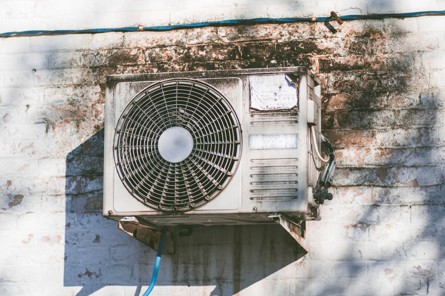
Image Source: www.hurlimanheating.com
Grasping Airflow and Noise
Air conditioners work by moving air. They pull warm air from your house, cool it, and send it back. This air moves through filters, coils, fans, and ducts. If anything blocks this path, or if air escapes where it should not, it can make noise. A whistle often happens when a lot of air is forced through a small opening. Think of blowing over the top of a bottle. That makes a whistle because air is pushed through a narrow spot. Your AC works the same way with whistling noises.
Blocked Air Filters
This is one of the most common reasons for an AC to whistle. Your air filter catches dust, dirt, and pet hair. It keeps these things out of your AC’s inner parts. But filters get full. When a filter is very dirty, air cannot pass through it easily.
Imagine trying to breathe through a thick cloth. It’s hard to get enough air. Your AC has the same problem with a dirty filter.
- The AC system still tries to pull the same amount of air.
- Because the filter is blocked, not enough air gets past it.
- This makes the fan work harder.
- Air that does get through has to go around the dirt or find small gaps.
- When air rushes quickly through small openings, it creates a whistling sound.
This is a classic example of an air filter causing AC noise. The whistling sound might come from near the air handler unit. It might also come from the vents in your rooms. Checking your filter is the first thing you should do if you hear a whistle. A very dirty filter looks gray or black and is thick with dust.
How to check and fix:
1. Find your AC air filter. It’s usually near the air handler or in a return vent in a wall or ceiling.
2. Open the cover and pull out the filter.
3. Look at it. Is it clean or covered in dirt?
4. If it’s dirty, replace it with a new, clean filter of the right size.
5. Put the new filter in the same way the old one came out (look for arrows showing airflow direction).
6. Close the cover.
Replacing a dirty filter is an easy fix. It often stops the whistling right away. It also helps your AC run better and saves energy. It is key for basic AC noise troubleshooting.
Issues with Blower Fan
The blower fan is a big fan inside your AC system. It pushes the cooled air through the ducts and into your home. If there is a problem with this fan, it can make noise, including a whistle.
The fan is usually a squirrel cage design. It has many blades that spin around. Problems can include:
- Dirt buildup: Dust and grime can stick to the fan blades. This buildup can make the fan unbalanced. An unbalanced fan wobbles as it spins. This can create different noises, sometimes a whistling sound.
- Loose blades: The blades are attached to a central hub. If a blade becomes loose or bent, it can hit the fan housing as it spins. This impact can cause a scraping or clicking sound. It might also disrupt airflow enough to cause a whistle.
- Motor problems: The motor spins the fan. If the motor has a bearing issue or other internal problem, it might make squealing, grinding, or even whistling sounds.
A blower fan whistling AC usually points to a mechanical problem. These issues are harder to fix yourself than changing a filter. Trying to clean or fix the fan can be dangerous. It requires working near electrical parts and moving parts.
What to do:
If you suspect the blower fan is the problem, turn off your AC. Do not try to run it. Call an AC repair technician. They have the tools and knowledge to safely check the fan and motor. They can clean the fan, fix loose parts, or replace the motor if needed. Ignoring a noisy blower fan can lead to bigger system failures.
Problems in the Ductwork
Ductwork is the system of metal tunnels that carry cool air from your AC to the rooms in your house. It also carries warm air back to the AC unit. This system must be sealed tight. Air should only leave or enter through the vents in your rooms.
If there are holes, cracks, or loose connections in your ductwork, air can escape. This is an air leak in air conditioner ducts. When air leaks out of a duct under pressure, it can make a whistling sound. This is like air coming out of a small hole in a balloon. The smaller the hole and the higher the pressure, the sharper the whistle.
Leaks can happen anywhere in the duct system:
* Near the AC air handler unit.
* Where ducts connect to vents.
* In the main trunk lines running through your attic, crawl space, or walls.
* At joints where pieces of duct meet.
A ductwork whistling sound often means you are losing cooled air. This makes your AC work harder to keep your house cool. It wastes energy and costs you money on your power bill. The whistling sound might be heard near the leak itself. Or, you might hear a whistling noise from AC vent if the leak is close to it or if the leak is changing pressure in the system.
Poorly designed or installed ductwork can also cause whistling. If ducts are too small for the amount of air your AC moves, or if they have sharp bends, air might get turbulent. This rush of air can sometimes make noise.
What to do:
Finding duct leaks can be tricky. They are often hidden behind walls or in hard-to-reach places. You can visually check any ducts you can see, like in an attic or basement. Look for gaps at joints or holes. Duct tape (the cloth kind, not the silver sticky tape) is not good for sealing ducts. Special mastic sealant or foil tape works best.
However, for a full check and repair of duct leaks or design problems, call an AC repair technician. They can perform a duct pressure test to find all the leaks. They can then seal the leaks properly. Fixing duct leaks improves efficiency, lowers bills, and stops whistling noises. This is a vital part of AC noise troubleshooting.
Closed Vents or Blockages
Your AC system is designed to move a certain amount of air. This air flow works best when most or all of your vents are open. Vents are the grates in your walls, floors, or ceilings where cool air comes out (supply vents) and warm air goes in (return vents).
If you close too many supply vents in different rooms, the AC unit is still pushing out the same amount of air. But the air has fewer places to go. This builds up pressure inside the ductwork.
Imagine a garden hose with the water turned on. If you put your thumb partly over the end, the water speeds up and sprays out harder. If you close off many vents, the air inside the ducts does something similar. It tries to escape anywhere it can. This might make air rush faster through the few open vents. It can also make air try to push through small gaps in the ductwork or around the coils. This rushing air through small spaces can create a whistling sound.
Blockages at vents can also cause noise. Furniture placed directly in front of a vent, thick curtains covering it, or even dust and debris built up inside the vent grille can block airflow. This localized blockage forces air through the remaining open parts of the vent, often causing a whistling noise right at that vent. This would be a whistling noise from AC vent.
Return vents can also be blocked. Return vents pull air back into the system to be cooled. If a large return vent is blocked by furniture or a rug, it restricts the amount of air the AC can pull in. This also affects airflow and can lead to whistling sounds elsewhere in the system or at other return vents.
What to do:
Check that most or all supply and return vents are open. Avoid closing more than 20% of the supply vents in your home. Make sure no furniture, rugs, or curtains are blocking vents, especially large return vents (they are usually bigger than supply vents). Clearing these blockages is an easy and free way to see if it stops the whistle. This is a simple step in AC noise troubleshooting.
Deciphering Refrigerant Sounds
Your air conditioner uses a special substance called refrigerant (like Freon, though newer types are common now). This liquid and gas move through coils inside your AC unit. It absorbs heat from the air in your home and releases it outside. Refrigerant is vital for cooling.
Problems with the refrigerant system can make strange noises. Sometimes, this includes a whistling or hissing sound.
Low Refrigerant Levels
Your AC system has a specific amount of refrigerant sealed inside it. Refrigerant is not “used up” like gasoline. If the level is low, it means there is a leak somewhere.
Low refrigerant levels cause problems:
* The AC does not cool well. The air coming out is not as cold as it should be.
* The system components might freeze up (you might see ice on coils or lines).
* The compressor (the heart of the AC that pumps refrigerant) can be damaged.
A low refrigerant whistling sound can happen near where the refrigerant is leaking. As the refrigerant gas escapes through a small hole in a line or coil, it can make a hissing or whistling sound. This sound is often sharp and distinct. You might hear it near the outdoor unit (the condenser) or along the refrigerant lines that run between the indoor and outdoor units.
This type of whistling is more serious. It means you have an air leak in air conditioner system, specifically a refrigerant leak. Refrigerant is a chemical and should only be handled by trained professionals.
What to do:
If you suspect a refrigerant leak (based on whistling noise, poor cooling, or ice buildup), turn off your AC system right away. Do not try to add refrigerant yourself or use leak seal products. These can cause major damage. Call an AC repair technician. They will find the leak, fix it, and add the correct amount of refrigerant back into the system. This requires special tools and permits. Ignoring a refrigerant leak is harmful to your AC and the environment. This is a critical part of AC noise troubleshooting.
Other Sources of AC Noise
While airflow and refrigerant issues are common, other parts of your AC can also cause whistling or similar high-pitched sounds.
Problems with Internal Parts
Sometimes, a whistling sound might come from components other than the fan or ducts.
* Expansion valve: This small valve controls the flow of liquid refrigerant into the cooling coil. If it’s faulty or partly blocked, it might restrict flow and create a high-pitched noise as refrigerant is forced through.
* Reversing valve (Heat Pumps): If you have a heat pump (which cools in summer and heats in winter), it has a reversing valve. This valve changes the direction of refrigerant flow. A faulty reversing valve can sometimes make a whooshing, hissing, or whistling sound as it operates or if it’s stuck.
* Compressor: While compressors usually make a low hum or rumble, internal issues or valves within the compressor could potentially cause unusual high-pitched sounds. This is less common for a typical whistle but possible.
These internal part problems are complex. They need expert diagnosis and repair.
New or Recently Repaired Systems
Sometimes, a new AC unit or one that has just been repaired might make slight noises that seem like a whistle.
* New systems might have components settling in.
* New refrigerant flowing through lines might sound a bit different at first.
* After a repair, small adjustments in airflow or pressure might create temporary noises.
Usually, these noises are minor and go away after the system runs for a short time. However, if the whistling is loud, sudden, or lasts for more than a day, it is worth checking into.
Interpreting the Whistle
Not all whistling sounds mean the same thing. Paying attention to details can help you understand the possible cause.
- Loud and sharp whistle: Often points to a distinct air leak under high pressure (ductwork or refrigerant) or a significant blockage.
- Soft, intermittent whistle: Might be a minor airflow issue, slight blockage, or a temporary noise.
- Whistle changes with fan speed: Strongly suggests an airflow issue (filter, blower, ducts, vents).
- Whistle comes and goes: Could be related to specific cycles of the AC, like when the compressor turns on or off, or when specific valves open/close.
- Location of the sound: Is it coming from a vent (whistling noise from AC vent)? Near the indoor unit? Near the outdoor unit? Along the refrigerant lines? This helps narrow down the possible source.
A persistent or loud AC unit making high pitched sound should not be ignored. Even minor issues can become major ones if left unaddressed.
Taking Action on AC Noises
Hearing a whistle from your AC can be annoying, but it’s also a useful signal. Your system is telling you something is wrong. Here is what you should do.
Initial Checks You Can Do
Before calling a professional, you can perform a few simple checks yourself. These are easy steps in AC noise troubleshooting.
- Check the Air Filter: This is the easiest first step. Find your filter, pull it out, and look at it. If it is dirty, replace it. Make sure you put the new filter in facing the right way (arrows point towards the air handler). Replace it even if it does not look too dirty, especially if it has been more than 1-3 months since the last change. This is the most common air filter causing AC noise.
- Check All Vents: Walk around your house. Make sure supply vents (where cool air comes out) are open. Also, check that return vents (where warm air goes in) are not blocked by furniture, rugs, or curtains. Try to open any closed vents. Do not close too many vents.
- Look for Obvious Blockages: Check around your indoor unit (air handler) and outdoor unit (condenser). Are there any objects blocking airflow? Check near the vents for anything blocking them.
- Listen Closely: Try to figure out where the sound is loudest. Is it near a specific vent (whistling noise from AC vent), near the indoor unit (possibly blower fan whistling AC or filter), or near the outdoor unit or lines (possibly low refrigerant whistling sound)?
These steps can help you find a simple fix. If the whistle stops after these checks, great! If not, it is time for the next step.
When to Call a Professional
Many causes of AC whistling require help from an expert. You should call an AC repair technician if:
- The whistling continues after you check and replace the air filter and open all vents.
- The whistling is loud, sharp, or sudden.
- You suspect a refrigerant leak (poor cooling, ice on lines, hissing/whistling near outdoor unit/lines). Remember, this is a serious air leak in air conditioner system.
- You think the problem is with the blower fan (blower fan whistling AC). These are inside the unit and can be dangerous to access.
- You suspect ductwork issues (ductwork whistling sound). Finding and sealing duct leaks properly requires expertise.
- Your AC unit making high pitched sound persists and you cannot find the simple cause.
- You are unsure about the cause of the HVAC system noises.
An AC repair technician has the tools and knowledge to diagnose the exact cause of the whistling. They can perform tests to check for refrigerant leaks, evaluate the blower fan, inspect ductwork, and check other internal components. Ignoring warning signs like a whistling AC can lead to more expensive repairs down the road or shorten the life of your system. Professional AC noise troubleshooting is often needed for anything beyond a simple filter change or vent adjustment.
What a Technician Will Do:
* Check your air filter (even if you did, they will confirm).
* Inspect the blower motor and wheel for dirt, damage, or balance issues.
* Check refrigerant levels and look for leaks using special leak detection tools.
* Inspect the ductwork system for leaks or blockages, possibly performing a duct pressure test.
* Check other internal components like the expansion valve or reversing valve.
* Address other potential sources of HVAC system noises.
Calling an expert when needed is the best way to ensure your AC is fixed correctly and safely.
Keeping Your AC Quiet
Preventing AC whistling often comes down to good maintenance. Regular care helps your system run smoothly and quietly.
- Change Your Air Filter Regularly: This is the most important step. Check your filter every month. Change it every 1-3 months, or more often if you have pets or allergies. A clean filter prevents the most common cause of whistling (air filter causing AC noise).
- Schedule Annual Maintenance: Have an AC repair technician inspect your system once a year, usually before the cooling season starts. They will clean parts, check refrigerant levels, inspect ductwork connections, and look for potential problems before they cause noise or breakdowns. This proactive approach helps prevent HVAC system noises and keeps your unit running at its best.
- Keep Vents Clear: Make sure furniture, rugs, and curtains do not block supply or return vents. This ensures proper airflow and prevents whistling caused by restricted air movement.
- Listen to Your AC: Pay attention to the normal sounds your AC makes. If you hear new or different AC noise troubleshooting sounds like whistling, address them promptly. Early detection can prevent small issues from becoming big, costly ones.
By following these tips, you can reduce the chances of hearing that annoying whistle and keep your AC running efficiently.
Common Whistling AC Causes and Solutions Table
| Possible Cause | Where You Might Hear It | What It Often Means | How to Check/Fix | Severity Level |
|---|---|---|---|---|
| Dirty Air Filter | Near indoor unit, at vents (whistling noise from AC vent) | Restricted airflow | Check and replace filter | Low (Easy fix) |
| Blocked Vents | At specific vents (whistling noise from AC vent) | Restricted airflow in rooms | Open vents, remove blockages | Low (Easy fix) |
| Ductwork Leaks | Near ducts in attic/basement, sometimes at vents | Air escaping or entering ducts (air leak in air conditioner, ductwork whistling sound) | Visual check for obvious holes; need technician for full check/seal | Medium |
| Blower Fan Issue | Near indoor unit (blower fan whistling AC) | Fan unbalanced or damaged | Needs AC repair technician to inspect/clean/repair | Medium |
| Low Refrigerant/Refrigerant Leak | Near outdoor unit or refrigerant lines | Refrigerant escaping (low refrigerant whistling sound, air leak in air conditioner) | Needs AC repair technician to find leak, repair, recharge | High |
| Faulty Internal Part | Near indoor or outdoor unit | Component not working correctly | Needs AC repair technician to diagnose/replace | High |
This table gives a quick look at the main causes and what they might mean. Remember, if you are unsure, calling a professional is always the safest bet for AC unit making high pitched sound or any other worrying HVAC system noises.
Frequently Asked Questions (FAQ)
Q: Is an AC whistle dangerous?
A: Not always dangerous in terms of immediate safety risk to people. But it can be dangerous for your AC system. It means something is not working right. If ignored, it can lead to bigger problems like system breakdown, damage to parts, or a refrigerant leak which can be harmful to the environment and require costly professional repair.
Q: Can I fix a whistling AC myself?
A: Maybe, depending on the cause. If the whistle is due to a dirty air filter or blocked vents, yes, you can fix it yourself. These are simple AC noise troubleshooting steps. But if the whistle is from a blower fan issue, duct leaks, or a refrigerant leak, you should call an AC repair technician. These need special tools, knowledge, and safety precautions.
Q: How often should I change my air filter?
A: Most filters need changing every 1 to 3 months. Some thicker filters can last longer, up to 6 months. Check your filter type and the manufacturer’s recommendation. Checking it monthly is a good habit, especially if you have pets or allergies. A dirty filter is a very common reason for an air filter causing AC noise like whistling.
Q: I hear a high-pitched sound, not quite a whistle. What could that be?
A: A high-pitched sound could still be one of the causes mentioned, especially airflow issues or refrigerant leaks (low refrigerant whistling sound). It could also be electrical noise or a motor bearing issue. If your AC unit making high pitched sound is new and not stopping, or is loud, it is best to have an AC repair technician listen to it as part of HVAC system noises inspection.
Q: My AC just started whistling after maintenance. Is that normal?
A: Sometimes, minor noises can happen after maintenance as the system settles. However, if the whistle is loud or does not stop after a day, contact the AC repair technician who did the work. It could be a sign that something was not put back correctly or that the maintenance revealed an underlying issue that needs further attention.
Conclusion
A whistling air conditioner is your system telling you it needs attention. The sound is often caused by air being forced through small spaces due to blockages like a dirty filter or closed vents. It can also signal more serious issues like duct leaks, a struggling blower fan, or a critical low refrigerant whistling sound due to a leak.
Start your AC noise troubleshooting by checking the simple things: your air filter and blocked vents. If those quick checks do not stop the whistling noise from AC vent or the overall AC unit making high pitched sound, it is time to call in an expert. A qualified AC repair technician can correctly diagnose the cause of the HVAC system noises and fix the problem safely and effectively. Addressing the whistle early helps keep your home comfortable and prevents potential damage to your AC system. Do not ignore the sound; take action to restore peace and cool air to your home.