
A frozen air conditioner coil is a common issue. You might see ice on the pipes or the indoor unit. How long does it take for air conditioner to unfreeze? Generally, it takes several hours, often between 1 and 24 hours, for the ice to fully melt. The exact time for AC coil to melt depends on many things, like how much ice there is and the weather outside. It’s important to let it melt completely before turning the AC back on. This section will explain everything you need to know about defrosting your AC unit.
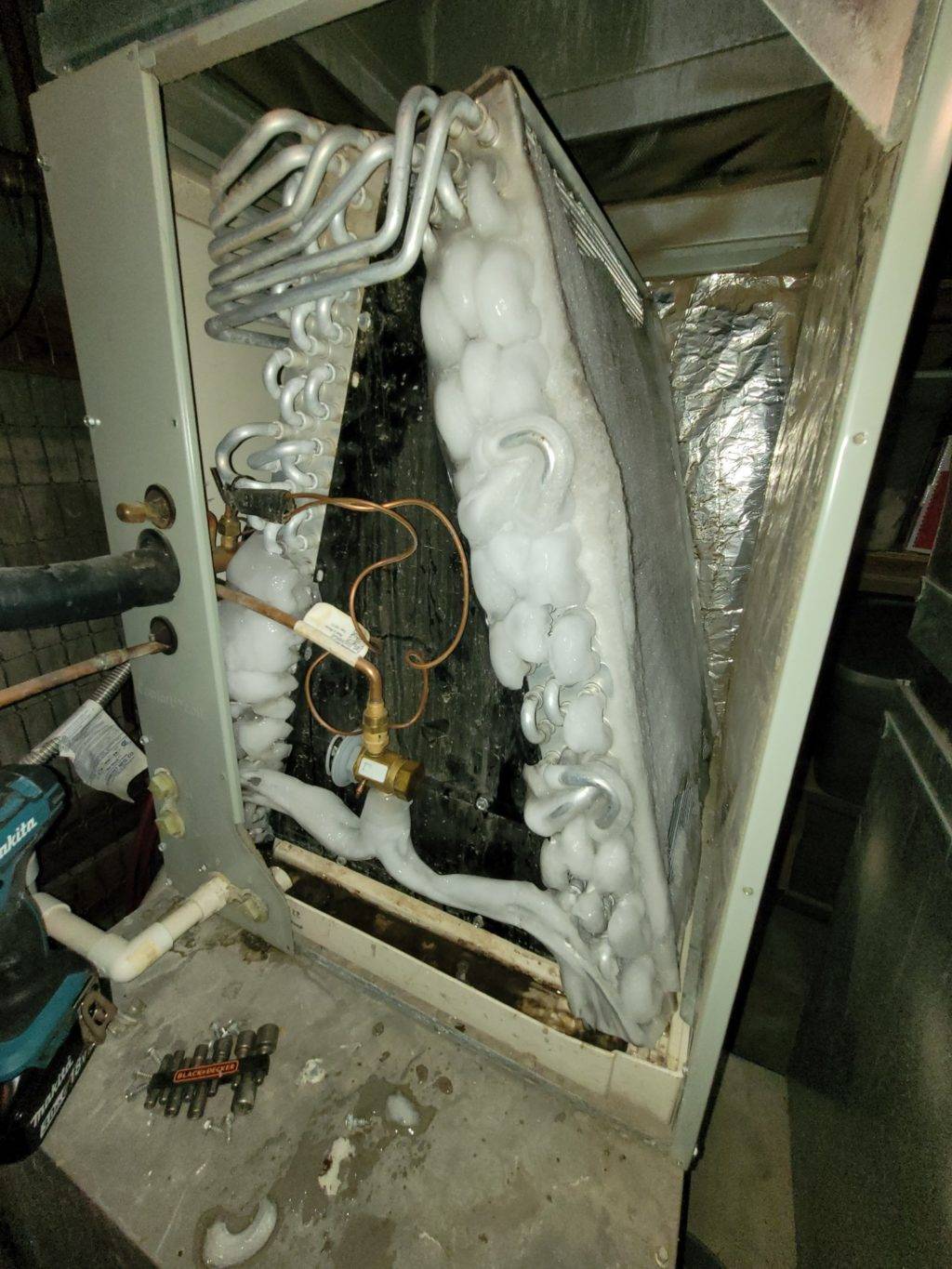
Image Source: www.manmadediy.com
Detecting Signs of a Frozen Air Conditioner
How can you tell if your air conditioner is frozen? There are clear signs. Spotting these early helps you fix the problem fast.
h4 Signs You Might See
- Ice on the Unit: Look at the copper lines going into your outdoor unit. Look at the coil inside your home (part of the furnace or air handler). Do you see ice? It might look like a thin layer or a thick block. The indoor coil is usually the first place to freeze.
- Poor Airflow: Is the air coming from your vents weak? A block of ice on the coil stops air from moving freely. The fan might blow, but little air comes out.
- Warm Air: Even if air is coming out, is it warm? If the coil is frozen, it can’t cool the air. So, your house won’t get cool.
- Water Leaks: As the ice melts, water can drip. You might see water around your indoor unit (furnace area) or near the outdoor unit. This water is from the melting ice.
- Strange Noises: Sometimes, you might hear odd sounds. This could be ice forming or the fan hitting ice.
Seeing one or more of these signs means your AC likely has a frozen coil.
Exploring Causes of Frozen AC Coils
Your air conditioner freezes up because the coil gets too cold. It drops below 32°F (0°C). When air passes over this super-cold coil, any moisture in the air turns into ice. This ice builds up.
h4 Why Your AC Freezes Up
There are several reasons why your AC coil gets too cold.
- Low Refrigerant: This is a very common cause. Refrigerant (often called freon, though that’s a brand name) is the stuff that cools the air. If your unit is low on refrigerant, the pressure drops. Low pressure makes the coil get much colder than it should. This extreme cold freezes the moisture. Low refrigerant usually means there’s a leak.
- Dirty Air Filter: A dirty filter blocks airflow. Your AC needs air to flow over the coil to work right. If air can’t pass easily, the coil gets too cold because heat isn’t being absorbed well. Change your filter regularly.
- Blocked or Closed Vents/Ducts: Similar to a dirty filter, blocked vents or ducts limit airflow. If too many vents are closed or there’s a block in the ductwork, not enough warm air reaches the coil. This makes the coil too cold.
- Faulty Fan Motor: The fan motor (blower motor) pushes air over the indoor coil. If this motor is slow or not working well, airflow is reduced. Less airflow means a colder coil and ice.
- Thermostat Problems: If your thermostat isn’t working right, it might tell the AC to run constantly or set a temperature that’s too low. Running the AC when it’s cool outside can also cause freezing.
- Dirty Evaporator Coil: The evaporator coil (the indoor coil) itself can get dirty over time. Dirt, dust, and grime on the coil act like a blanket. This blanket stops heat from being absorbed from the air properly. The coil gets colder and can freeze.
- Running the AC in Cold Weather: AC systems are made to work in certain temperature ranges. If you run your AC when the outside temperature is too low (usually below 60°F or 15°C), the refrigerant pressure can drop too much, causing freezing.
Knowing the causes of frozen AC coils helps you fix the problem and stop it from happening again.
Influencing Factors on AC Unfreeze Time
You want to know how long to defrost frozen AC unit. There’s no single answer. Many things speed up or slow down the melting process. These are the factors affecting AC unfreeze time.
h4 What Changes How Fast Ice Melts
- Amount of Ice: This is the biggest factor. Is it just a thin layer? Or is the coil covered in a thick block of ice? More ice takes much longer to melt. A light freeze might melt in a few hours. A heavy block could take a full day or more.
- Ambient Temperature: The warmer the air around the AC unit, the faster the ice will melt. If it’s 80°F outside, the ice will melt much faster than if it’s 65°F inside your cold house.
- Humidity: High humidity means more moisture in the air. This can slightly slow down melting, but temperature is more important.
- Airflow (with power off): Even with the AC cooling turned off, leaving the indoor fan on (if possible and safe) can help speed up melting. Moving warmer indoor air over the frozen coil helps thaw it faster. Make sure the cooling mode is OFF.
- Direct Sunlight: If the outdoor unit (where you might see ice) is in direct sunlight, the sun’s heat will help melt the ice there faster. The indoor coil won’t get sunlight, of course.
- Unit Size and Design: Larger coils might have more surface area to freeze, potentially holding more ice. The design of the coil also plays a small role.
- Location of Ice: Ice on the easily accessible outdoor line melts quicker than ice deep within the indoor coil assembly.
Because of these different factors, the average time for AC ice to melt is a range, not a fixed number.
Time for AC Coil to Melt
Okay, let’s talk specific timeframes for the time for AC coil to melt. Remember, this is just a guide. Your situation might be different.
h4 Typical Melting Times
If you turn off the cooling function of your AC system (usually by turning the thermostat to OFF or FAN ON), the ice will start to melt.
- Light Frost/Thin Ice: You might see this melt in as little as 1-3 hours.
- Moderate Ice Build-up: This could take anywhere from 3-8 hours.
- Heavy Ice Block: If the coil is completely encased in ice, prepare for a longer wait. This can take 8 hours or even 24 hours or more, especially if the surrounding air is not very warm.
It’s crucial that you let the ice melt completely. Do not rush this process. Turning the AC back on too soon, while there’s still ice, can cause the unit to freeze up again quickly. It can also potentially harm the compressor.
h4 How Long Should AC Be Off to Unfreeze
You should leave the air conditioner off until all the ice is gone. This means both the outdoor compressor unit and the indoor coil unit are OFF for cooling.
- Check the Coils: Visually check both the indoor and outdoor coils (and the refrigerant lines). Are they totally free of ice? Is the surface just wet from melted ice?
- Feel the Lines: The larger copper line going into the outdoor unit should feel cool, but not freezing cold. If it’s still ice-cold or has tiny bits of ice/frost, it’s not fully thawed.
- Look for Dripping: Is water still actively dripping or flowing away from the unit? Melting ice creates water. Once the dripping stops, most, if not all, ice is likely gone.
For a significant freeze, planning for an entire day (24 hours) of downtime is safer than guessing. While it might unfreeze faster, giving it plenty of time ensures all ice is gone.
How to Manually Unfreeze AC
You can help your AC unfreeze. This is called manually unfreezing it. It’s simple and mainly involves turning the system off.
h4 Steps to Manually Thaw Your AC
- Turn Off the AC at the Thermostat: Find your thermostat. Change the system setting from COOL to OFF. Do NOT just turn the temperature up. You must turn the cooling mode off.
- Turn On the Indoor Fan (Optional but Recommended): If your thermostat has a FAN setting (like AUTO/ON), set it to ON. This will make the indoor fan blow air. This warmer air from inside your home will blow over the frozen indoor coil. This speeds up the melting process. Make sure the system is still set to OFF, not COOL.
- Turn Off Power to the Unit (Optional but Safe): For extra safety, you can turn off the power switch near the outdoor unit. There’s usually a switch on the wall outside near the AC unit. Flip the breaker for the AC unit inside your home’s electrical panel. This makes sure the compressor doesn’t accidentally try to run while the coil is frozen or thawing.
- Let It Melt: Now you wait. Allow hours for the ice to melt. How long? See the times mentioned above. A few hours for light ice, maybe 24 hours for a solid block.
- Manage Meltwater: As the ice melts, water will drain. The indoor unit has a drain pan and drain line. Make sure this isn’t blocked. If there’s a lot of ice, the pan might overflow. Place towels or buckets if needed to catch water and prevent damage.
- Check for Full Thawing: Before turning the cooling back on, visually check the indoor and outdoor coils and refrigerant lines. Make sure all ice is gone.
- Find the Cause: While it’s melting or after it’s thawed, try to figure out why it froze. Was the filter dirty? Were vents closed? Is the outdoor unit dirty? Addressing the cause is key.
- Clean Up: Wipe up any water spills. Change your air filter if it’s dirty.
- Turn Power Back On: If you turned off power switches or breakers, turn them back on.
- Restart the AC: Go back to your thermostat. Set the FAN back to AUTO (or your preferred setting). Change the system setting from OFF back to COOL. Set your desired temperature.
By following these steps for how to manually unfreeze AC, you allow your system to recover safely.
What to Do After AC Unfreezes
The ice is gone! Great. But you’re not done yet. There are important steps to take what to do after AC unfreezes.
h4 Steps After the Ice is Gone
- Verify All Ice is Melted: Double-check that there is absolutely no ice left on the indoor coil, outdoor coil, or refrigerant lines. The coils should look wet, not icy or frosty.
- Check the Drain Pan and Line: A lot of water comes from melting ice. Make sure the drain pan under your indoor unit is not overflowing. Check that the drain line (a small pipe usually made of PVC) is letting water drain away freely. If the pan overflowed, clean up the water to prevent damage.
- Change Your Air Filter: A dirty filter is a main reason for freezing. Put in a clean air filter before you turn the AC back on. This is a quick and easy step that makes a big difference in airflow.
- Check Vents and Return Grilles: Make sure all your supply vents are open. Check that return air grilles (where the air goes back into the system) are not blocked by furniture, curtains, or dirt. Good airflow is vital.
- Inspect the Outdoor Unit: Clear away any leaves, dirt, or debris from around the outdoor unit. Make sure the sides of the unit (the coil fins) are relatively clean so air can flow through.
- Turn Power Back On: If you turned off breakers or switches, turn them back on now.
- Restart the AC System: Go to your thermostat. Set the system to COOL and set your desired temperature.
- Monitor the System: Listen to the unit. Does it sound normal? Does cool air start coming from the vents after a few minutes? Let it run for a while and check again later for any signs of ice coming back.
- Consider the Cause (Again): Think about why it froze.
- Dirty filter/blocked airflow? You fixed that (hopefully).
- Was the unit running in very cold weather? Avoid doing that.
- Does it seem like low refrigerant (cool air isn’t very cold, freezing happens again quickly)? This needs a pro.
- Call a Professional: If your AC froze because of low refrigerant (a leak) or another complex issue like a fan problem or dirty indoor coil that needs cleaning, you will need an HVAC technician. If the unit freezes again after you’ve thawed it, changed the filter, and checked airflow, it’s definitely time to call for service. Don’t keep running a system that keeps freezing.
Taking these steps helps make sure your AC runs right after thawing and helps you figure out if you need professional help.
Preventing Your AC from Freezing Up Again
Fixing the freeze is good, but stopping it from happening again is better. Here’s how you can help prevent your air conditioner from freezing up.
h4 Steps for Prevention
- Change Air Filters Regularly: This is the easiest and most important step. Check your filter every month. If it looks dirty, change it. Most filters need changing every 1-3 months, depending on the type and how much you use your AC.
- Keep Vents and Returns Open: Make sure all your supply vents are open in rooms you want to cool. Don’t block return air grilles with furniture. Your system needs proper airflow.
- Keep the Outdoor Unit Clean: Clear away grass clippings, leaves, and debris from around the outdoor unit. The sides of the unit (the coil fins) should be clean so air can pass through.
- Check the Drain Line: Pour a little vinegar or water down the drain line occasionally (check your manual first) to help keep it clear of clogs from algae or mold.
- Avoid Running the AC in Cold Weather: Don’t use your AC if the outside temperature is below the limit given in your owner’s manual (usually around 60°F or 15°C). Use fans or open windows if it’s just a little warm.
- Get Regular Professional Maintenance: Have an HVAC technician check your system once a year, ideally before the cooling season starts. They can clean the coils properly, check refrigerant levels, inspect the fan motor, and look for other potential problems before they cause freezing. This is the best way to catch issues like low refrigerant early.
- Check for Duct Leaks: Leaks in your ductwork can reduce airflow to the coil. Have a professional check your ducts if you suspect leaks.
- Use the Right Size System: An AC unit that is too big for your house can cycle on and off too often. This can sometimes contribute to freezing issues over time. If you are replacing your system, make sure a pro does a proper size calculation.
Taking these steps helps maintain good airflow and proper operation, greatly reducing the chance of your AC freezing.
Getting Professional Help
Sometimes, you need an expert. If your AC freezes up often, or if you suspect a problem you can’t fix (like low refrigerant), call a qualified HVAC technician.
h4 When to Call a Pro
- Repeated Freezing: If your AC freezes even after you’ve thawed it, changed the filter, and checked airflow, there’s a deeper problem. This could be a refrigerant leak, a bad fan motor, or a clogged drain line you can’t clear.
- Suspected Refrigerant Leak: If the air isn’t getting very cold and the unit freezes, you likely have a leak. Refrigerant is not something you can add yourself. It requires special tools and training. Leaks are also bad for the environment.
- Dirty Indoor Coil: The indoor coil can get very dirty inside. This needs special cleaners and tools to clean properly. A pro can do this safely.
- Fan Motor Issues: If the fan sounds wrong or isn’t blowing much air even with a clean filter, the motor might be failing.
- You Don’t Feel Comfortable: If you’re not sure about checking things or don’t want to risk doing something wrong, calling a professional is always a good choice.
A technician can find the exact cause of the freezing and fix it right. This costs money, but it saves you from repeated problems and potential damage to your expensive AC system.
FAQ: Questions About Frozen ACs
Here are some common questions people ask about air conditioners freezing up.
h5 Is It Bad If My AC Freezes?
Yes, it is bad. Running a frozen AC can damage the compressor, which is the most expensive part of the system. The ice blocks airflow, making the unit work harder without cooling your home. It also wastes energy.
h5 Can I Run My AC While It’s Frozen?
No, absolutely do not run your AC’s cooling function when it’s frozen. Turn the system OFF at the thermostat. Running it frozen can cause serious damage. You can often run just the fan (FAN ON setting) to help it melt, but the cooling (COOL setting) must be off.
h5 How Long Does It Take for a Light Frost to Melt vs. a Block of Ice?
A light frost might melt in 1-3 hours. A large block of ice covering the coil can take 8-24 hours or even longer to melt completely, depending on the conditions around the unit.
h5 Will Turning the Fan On Help Unfreeze It Faster?
Yes, usually. Setting your thermostat to FAN ON (with the system set to OFF, not COOL) will blow warmer indoor air over the frozen indoor coil. This helps speed up the melting process compared to just leaving everything off.
h5 Why Does My AC Keep Freezing Up?
The most common reasons are a dirty air filter, low refrigerant (usually due to a leak), poor airflow from blocked vents or ducts, or a dirty indoor coil. If it keeps happening, you likely have low refrigerant or a major airflow problem.
h5 How Do I Know If the Ice is Completely Melted?
Visually check the indoor and outdoor coils and lines. All visible ice and frost should be gone. The surfaces might be wet from melted water. The large copper line outside should be cool, not icy cold. The dripping from melting should have stopped.
h5 What Happens If I Turn the AC Back On Too Soon?
If you turn the cooling back on before all the ice has melted, the system will likely freeze up again very quickly. This cycle of freezing and running frozen puts stress on the compressor and can lead to expensive repairs.
h5 Can Low Refrigerant Be Fixed By Just Adding More?
No. If the system is low on refrigerant, it means there’s a leak somewhere. A technician must find and repair the leak before adding more refrigerant. Just adding refrigerant without fixing the leak is a temporary fix that doesn’t solve the problem and is bad for the environment.
h5 My Drain Pan is Full After Unfreezing. Is That Normal?
Yes, it is normal for the drain pan to have water in it after a freeze. All that melted ice turns into water. Make sure the water drains away or dry it up. If the pan overflowed, you had a significant amount of ice. Check that the drain line isn’t clogged.
h5 Should I Pour Hot Water on the Ice to Make It Melt Faster?
No, do not pour hot water or use heaters directly on the coils. This can damage the coil fins or other parts of the unit. Letting it melt naturally or using the indoor fan is the safe way to defrost.
Fixing a frozen AC requires patience to let it thaw completely and then addressing the root cause. Don’t skip the steps to find out why it happened. This will save you trouble later.