
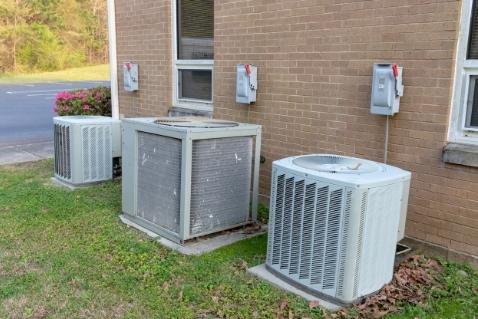
Image Source: www.huskyair.com
How Often Should Air Conditioner Run: Your Optimal Guide
How often should an air conditioner run? There’s no single perfect answer because many things affect it, but a typical AC unit often runs in cycles lasting 15 to 20 minutes, cycling on and off maybe two or three times per hour when cooling a home on a hot day. This cycling helps keep your home at a steady temperature and also manages humidity.
An air conditioner works by pulling warm air from inside your home, cooling it, removing moisture, and sending the cool, dry air back. It does this in cycles. The unit runs until the room reaches the temperature you set on the thermostat. Then it turns off. When the temperature rises a few degrees, it turns back on. This on-and-off pattern is normal operation. How long the AC stays on each time and how often it turns on depends on many things inside and outside your house. Knowing what affects this can help you figure out if your AC is working right or if you might have a problem.
Deciphering Normal AC Operation Cycles
Your air conditioner doesn’t just run all the time. It runs in cycles. Think of it like a pump filling a bucket. It runs until the bucket is full, then stops. When the water level drops, it runs again to fill it up. Your AC works similarly with temperature.
An ideal AC cycle length should be long enough to properly cool your home and remove moisture from the air. A cycle that is too short or too long can signal an issue. When your AC turns on, it starts a cooling cycle. It cools the air, and part of that process is taking humidity out of the air. This helps your home feel more comfortable, not just cooler.
A normal cycle finishes its job. The house gets to the right temperature. The AC turns off. It stays off for a while. Then, when the house warms up, the cycle starts again. This on-off rhythm is how the system keeps the temperature steady.
Grasping Optimal AC Runtime
What is the optimal AC runtime? This is not a set number of minutes or hours. It’s about the AC running effectively for the conditions it’s facing. An optimal cycle cools your home evenly and removes enough moisture without running for too long without stopping.
On a mild day, your AC might run for shorter periods, maybe 10-15 minutes, with longer breaks in between. On a very hot and humid day, it will need to run longer to reach the set temperature and control humidity. Cycles might be 20-30 minutes or even longer. The time between cycles will also be shorter.
The average air conditioner run time depends a lot on the outside weather. In extremely hot weather, it’s common for an AC to run for extended periods. It might even seem like the air conditioner running constantly or the AC unit running continuously. This can be normal if the temperature difference between inside and outside is very large. The system is working hard to fight the heat coming into your home.
However, there is a point where constant running is not normal and points to a problem. We’ll look at that later. The goal is comfort and efficiency. The AC should run long enough to do its job well, but not so long that it wastes energy or risks damage.
Factors Affecting AC Run Time
Many things change how long your AC needs to run. These factors affecting AC run time can be grouped into a few areas:
Weather Conditions
- Outside Temperature: This is the biggest factor. The hotter it is outside, the more heat tries to get into your home. Your AC has to work harder and run longer to push this heat out.
- Humidity: High humidity makes air feel warmer. It also makes it harder for your body to cool down through sweat. Your AC has to remove this moisture. This takes extra energy and time. An AC working on a humid day will run longer than on a dry day at the same temperature.
Your Home’s Structure
- Size of Your Home: A bigger house has more air to cool. It also has more walls, windows, and roof area for heat to enter. A larger home will require the AC to run longer than a small one, assuming everything else is equal.
- Insulation: Good insulation in walls, attic, and floors acts like a blanket, slowing down heat transfer. A well-insulated home keeps cool air inside and warm air outside. Poor insulation means heat gets in faster, making your AC run more often and longer.
- Windows and Doors: Single-pane windows and old doors let a lot of heat in. Drafts around them also let in warm air. Energy-efficient windows and sealed doors help keep the cool air in. The number and size of windows, especially those facing the sun (south or west in the Northern Hemisphere), impact how much the AC runs.
- Air Leaks: Small cracks or gaps in walls, around windows, or in the attic let air move freely. Conditioned cool air escapes, and hot outside air gets in. This makes the AC run longer to replace the lost cool air.
Your AC System
- Size of the AC Unit: An AC unit must be the right size for your home.
- Too Small: An AC that is too small will struggle to cool the house on hot days. It might run air conditioner running constantly but never reach the set temperature. It won’t remove humidity well either.
- Too Big: An oversized AC unit cools the house too quickly. It reaches the thermostat setting fast and shuts off. This leads to AC short cycling. It doesn’t run long enough in each cycle to properly remove humidity. This leaves your home feeling cool but sticky and uncomfortable. Short cycling is also less efficient and puts more wear on the unit.
- System Age and Condition: Older AC units are less efficient. They might have worn parts. They have to work harder and run longer to cool the same amount of space as a newer, well-maintained unit. Dirty coils or a clogged filter also make the system work harder.
- Thermostat Setting: Setting your thermostat to a very low temperature makes the AC run much longer to reach and maintain that level. Each degree lower can increase energy use by a significant amount. Setting it higher, even by a few degrees, can reduce runtime.
- Thermostat Type: An old mercury thermostat might not be as accurate as a modern digital or smart thermostat. A smart thermostat can learn your habits and adjust settings for better efficiency, potentially optimizing runtime.
- Maintenance: A well-maintained AC system runs more efficiently. Clean filters, coils, and clear drain lines help the unit work without extra strain. Lack of maintenance makes the system run longer and use more energy.
How You Use Your Home
- Number of People Inside: People generate heat. More people mean more heat load inside the house.
- Appliance Use: Running ovens, clothes dryers, or dishwashers adds heat and moisture to the air inside your home.
- Lighting: Old incandescent light bulbs produce a lot of heat compared to LED lights.
- Opening Doors and Windows: Letting outside air in cancels out the cooling work your AC has done.
All these factors work together. A perfect AC in a leaky, poorly insulated house on a hot, humid day will run much more than the same AC in a sealed, well-insulated house on a mild day.
Is AC Running Too Much? Common Issues
Sometimes, your AC running for a long time is fine, especially on very hot days. But when is the is AC running too much? Or why is my AC running nonstop? When the AC unit running continuously is combined with other signs, it might mean something is wrong.
Signs your AC might be running too much or has a problem:
- It Runs Constantly and Never Reaches the Set Temperature: If the AC runs all day and the temperature inside your home never drops to what you set on the thermostat, the unit might be too small for the house, low on refrigerant, or have a serious issue like a dying compressor.
- It Runs for Very Long Cycles Even on Mild Days: On days that aren’t extremely hot, your AC should cycle off periodically. If it runs for hours without stopping even when it’s not that warm outside, there’s likely a problem.
- Your Energy Bills Are Much Higher Than Normal: If your AC is running too much, it’s using a lot of electricity. A sudden spike in your energy bill could be a sign.
- The House Feels Humid or Sticky Even When the AC is Running: An AC that runs constantly but doesn’t remove humidity effectively might be low on refrigerant or have airflow issues.
- The Outside Unit (Condenser) is Covered in Ice: This is a sure sign of a problem, often low refrigerant or poor airflow, causing the coil to get too cold.
If you notice these signs, it’s time to investigate or call a professional. Constant running can wear out parts faster and increase the chance of a breakdown.
The Problem of AC Short Cycling
On the flip side of running too much is AC short cycling. This is when your air conditioner turns on, runs for only a few minutes (say, less than 10-15 minutes), and then shuts off, only to turn back on again shortly after.
Think of short cycling like a car engine that starts, runs for a minute, turns off, then starts again right away. This is hard on the engine. It’s also hard on your AC system.
Why is AC short cycling bad?
- Wear and Tear: Starting the compressor is the hardest part of the cycle for your AC unit. Short cycling means the compressor starts many more times per hour than it should. This puts stress on the motor and other parts, making them wear out faster. It can shorten the lifespan of your unit.
- Poor Dehumidification: The AC unit needs to run for a certain amount of time to effectively pull moisture out of the air. Short cycles don’t allow enough time for this to happen. Your home might reach the temperature setting, but it will feel damp and clammy because the humidity is still high.
- Energy Waste: The unit uses a surge of energy each time it starts. With short cycling, you have many more starts per hour, leading to higher energy use without effective cooling or dehumidification.
What causes AC short cycling?
- Oversized AC Unit: As mentioned before, an AC that’s too big cools the space too fast, hitting the thermostat set point quickly and shutting off.
- Dirty Air Filter: A clogged filter blocks airflow. This can cause the evaporator coil to get too cold and potentially freeze up, leading the system to shut down prematurely as a safety measure.
- Frozen Evaporator Coil: A frozen coil is often caused by low airflow (dirty filter, blocked vents) or low refrigerant. The ice prevents proper heat absorption, and the system may cycle off.
- Low Refrigerant: If the system is low on refrigerant (the stuff that cools the air), it can’t absorb heat effectively. This can lead to the coil freezing or the system struggling to cool, sometimes causing it to cycle off quickly.
- Faulty Thermostat: A broken thermostat might not read the temperature correctly or could be telling the AC to turn on and off too often.
- Electrical Problems: Issues with wiring, capacitors, or relays can cause the unit to stop unexpectedly.
- Blocked Condenser Unit (Outside Unit): The fan outside needs to release heat. If the coils are dirty or blocked by plants or debris, the unit can overheat and shut off quickly.
- Air Leaks in Ductwork: Leaks in the ducts can cause the air returning to the AC unit to be warmer than expected, confusing the system or causing it to work harder than needed for a short burst.
If your AC is short cycling, it’s a problem that needs fixing. It’s not just inefficient; it can damage your system.
Interpreting AC Running Issues
Let’s summarize the spectrum of AC runtime:
- Normal Cycling: Runs for 15-30 minutes, shuts off for a while, then repeats. Time off is longer than time on in mild weather. Time on is often longer than time off in hot weather.
- Air Conditioner Running Constantly / AC Unit Running Continuously: Runs for very long periods (hours) without stopping, especially on very hot days. Can be normal in extreme heat if the house is well-sealed and the unit is properly sized and working hard against the heat load.
- Is AC Running Too Much / Why is My AC Running Nonstop?: Runs constantly and is not cooling effectively, or happens even on mild days, or leads to much higher bills without better comfort. This signals a problem.
- AC Short Cycling: Runs for less than 10-15 minutes per cycle, turns off, then turns back on quickly. Always a sign of a problem.
Knowing where your AC falls on this spectrum helps you decide if you need to investigate further or call a professional.
Troubleshooting AC Running Issues
Before you call for help, there are a few simple troubleshooting AC running issues steps you can take.
If your AC is running constantly or too much:
- Check the Air Filter: A dirty filter is the most common cause of many AC problems. Turn off the AC at the thermostat and at the breaker box for safety. Find the filter slot (usually near the air handler/furnace inside). Pull out the old filter. If it’s grey or black with dust, replace it. Make sure you put the new filter in the right direction (arrows point towards the air handler). Turn power back on and see if runtime improves.
- Check the Thermostat: Make sure it’s set to “Cool” and the fan is set to “Auto” (not “On”). If the fan is “On,” it blows air even when the cooling is off, which is fine, but the compressor (cooling part) should still cycle. Make sure the temperature setting is reasonable. If you set it to a very low temperature, the AC will run longer. Try raising the temperature setting by a few degrees. Make sure the thermostat is clean and has fresh batteries if needed.
- Check Vents and Registers: Make sure all supply registers (where cool air comes out) are open and not blocked by furniture or curtains. Make sure return vents (where air is pulled in, usually larger) are also clear. Blocked vents restrict airflow, making the unit work harder.
- Check the Outside Unit (Condenser): Turn off power to the outside unit at the breaker box. Make sure the outside coils are not blocked by leaves, grass clippings, or debris. Trim back any plants that are too close (give it at least 2 feet of clear space all around).
If your AC is short cycling:
- Check the Air Filter: Again, a dirty filter can cause short cycling by limiting airflow and potentially freezing the coil. Replace it if dirty.
- Check for Ice on the Outside Unit: If you see ice covering the copper lines or coil on the outside unit, turn the system off immediately at the thermostat and breaker. Let it thaw completely. This can take several hours. Once thawed, check the filter and vents. If you turn it back on and it freezes again quickly, there’s a bigger problem, likely low refrigerant or a major airflow issue, and you need professional help.
- Check the Thermostat: Sometimes a thermostat problem can cause short cycling. If the thermostat is acting strangely or seems inaccurate, it might need replacing.
If these simple steps don’t fix the problem, especially if the issue is low refrigerant, a frozen coil that keeps coming back, strange noises, or if the unit is old, it’s best to call a qualified HVAC technician. They have the tools and knowledge to diagnose and fix more complex issues.
Achieving Optimal AC Runtime and Efficiency
Getting your AC to run efficiently and have the optimal AC runtime involves looking at the whole system – the unit, your house, and how you use it.
- Proper Sizing: Ensure your AC unit is the right size for your home. If you are getting a new system, a professional Manual J calculation should be done to determine the correct size based on your home’s specific features (size, insulation, windows, local climate).
- Improve Home Sealing and Insulation: This is often the most cost-effective way to reduce AC runtime and energy bills. Seal air leaks around windows, doors, and in the attic or crawl space. Add insulation to your attic and walls if needed.
- Use a Programmable or Smart Thermostat: These thermostats let you set schedules so the AC runs less when you’re not home or when you’re sleeping. A smart thermostat can even learn your habits and adjust automatically. Setting the temperature back by 7-10 degrees Fahrenheit for 8 hours a day can save significant energy.
- Set a Reasonable Temperature: Aim for a comfortable temperature, usually between 72-78°F (22-26°C). Find the highest temperature you are comfortable with. Using ceiling fans can make a slightly higher temperature feel just as comfortable, allowing your AC to run less.
- Limit Heat Sources: Close curtains or blinds on sunny windows during the hottest part of the day. Use kitchen and bathroom fans to vent heat and moisture outside when cooking or showering. Try to run heat-generating appliances like the oven or dryer in the cooler parts of the day or evening.
- Regular Maintenance: This is key!
The Value of Regular AC Maintenance
Think of AC maintenance like getting the oil changed in your car. It keeps things running smoothly and prevents big problems down the road. Regular check-ups by a professional help ensure your AC has optimal AC runtime.
What does maintenance include?
- Cleaning or replacing air filters regularly (this one you can and should do yourself!).
- Cleaning the indoor evaporator coil and outdoor condenser coil. Dirty coils can’t transfer heat well, making the unit run longer.
- Checking refrigerant levels. Low refrigerant means the system can’t cool effectively and runs longer or short cycles. A technician can find and fix leaks.
- Checking electrical connections and components.
- Checking the condensate drain line to make sure it’s not clogged. A clogged line can cause water damage or shut down the system.
- Checking the fan motor and blades.
- Lubricating moving parts.
Having your AC checked once a year, usually before the cooling season starts, can catch small problems before they become big, expensive ones. It helps your unit run more efficiently, lasts longer, and gives you peace of mind. It helps prevent issues like air conditioner running constantly or AC short cycling.
Regular maintenance is part of troubleshooting AC running issues preventively. It helps ensure the average air conditioner run time stays within a normal range for the conditions and helps achieve the ideal AC cycle length for proper cooling and dehumidification.
Summary Table: Normal vs. Problem Runtimes
Here is a simple look at runtimes:
| Condition | Typical Cycle Length | Break Between Cycles | What it Might Mean |
|---|---|---|---|
| Normal (Mild Day) | 10-20 minutes | 20-40 minutes | System is managing temperature easily. |
| Normal (Hot Day) | 20-45 minutes or longer | 10-20 minutes or shorter | System is working hard against high heat/humidity. |
| Air Conditioner Running Constantly / AC Unit Running Continuously | Very long, hours without stopping | Very short or none | Could be normal in extreme heat, OR unit is too small, low on refrigerant, or failing. |
| AC Short Cycling | Less than 10-15 minutes | Very short | Unit is too big, airflow is blocked (dirty filter, frozen coil), low refrigerant, or electrical issue. |
Remember, this table gives rough ideas. Your home’s specific situation affects what is “normal” for you.
FAQ: Common Questions About AC Runtime
Here are answers to some common questions about how often your AC should run.
Q: How long should an AC cycle last?
A: An ideal cycle usually lasts 15 to 20 minutes. On hotter or more humid days, it can be longer, maybe 20 to 45 minutes. It should be long enough to cool the air and remove moisture.
Q: Why is my air conditioner running constantly?
A: On very hot days, it might be normal for your AC to run for hours without stopping as it fights the heat. However, if it runs constantly and doesn’t cool well, or if it happens on mild days, it could mean the unit is too small, low on refrigerant, dirty, or has another issue needing repair.
Q: Is it bad if my AC short cycles?
A: Yes, AC short cycling is bad. It causes extra wear and tear on the system, especially the compressor, which can lead to early failure. It also means the unit isn’t running long enough to properly dehumidify your home, making it feel sticky.
Q: How many times an hour should my AC turn on?
A: On a moderate day, your AC might cycle on and off 2 to 3 times per hour. On a very hot day, it might run almost non-stop, so it turns on less often but runs much longer when it does.
Q: How can I reduce my AC’s runtime?
A: You can reduce runtime by improving your home’s insulation and sealing air leaks, using a programmable thermostat, setting a slightly higher temperature, using fans, limiting heat-generating activities, and performing regular maintenance.
Q: Can a dirty filter make my AC run longer?
A: Yes, absolutely. A dirty filter blocks airflow, making the AC work much harder to pull air through. This reduced efficiency can cause the unit to run longer to reach the set temperature or even lead to freezing and short cycling.
Q: My AC unit is running continuously, but the house isn’t getting cool. What’s wrong?
A: This is a strong sign of a problem. Common causes include being low on refrigerant (due to a leak), a failing compressor, a clogged coil, or a problem with the fan not moving air. You should turn the unit off and call an HVAC professional.
Q: How does humidity affect how long the AC runs?
A: Your AC has to remove moisture (dehumidify) as it cools the air. This takes extra energy and time. On a humid day, your AC will run longer than on a dry day, even if the temperature is the same, because it’s doing two jobs: cooling and drying the air.
Conclusion
How often your air conditioner should run isn’t a fixed schedule. It varies based on the weather outside, the condition of your home, the type and shape of your AC system, and how you use it. Normal operation involves cycles that are long enough to cool and dehumidify your space effectively.
Paying attention to how long your AC runs can help you spot potential problems early, like AC short cycling or air conditioner running constantly. Simple steps like checking the filter and thermostat can fix minor issues. For more complex problems or if you suspect issues like low refrigerant or an improperly sized unit causing is AC running too much, getting help from a qualified technician is the best step. Regular maintenance is key to ensuring optimal AC runtime, efficiency, and long life for your system. By understanding these basics, you can keep your home comfortable and your AC running smoothly.