
Does your air conditioner turn into an ice block? An AC coil freezing is a common problem. It happens when the evaporator coil, the part that gets cold inside your home, gets too cold. Instead of just getting chilly to cool the air, it drops below freezing. When this happens, the moisture from the air turns into ice on the coil. This ice stops the AC from working right and can even harm the system. Stopping your air conditioner from freezing up often involves simple steps you can take yourself, but sometimes it needs help from an HVAC repair service.
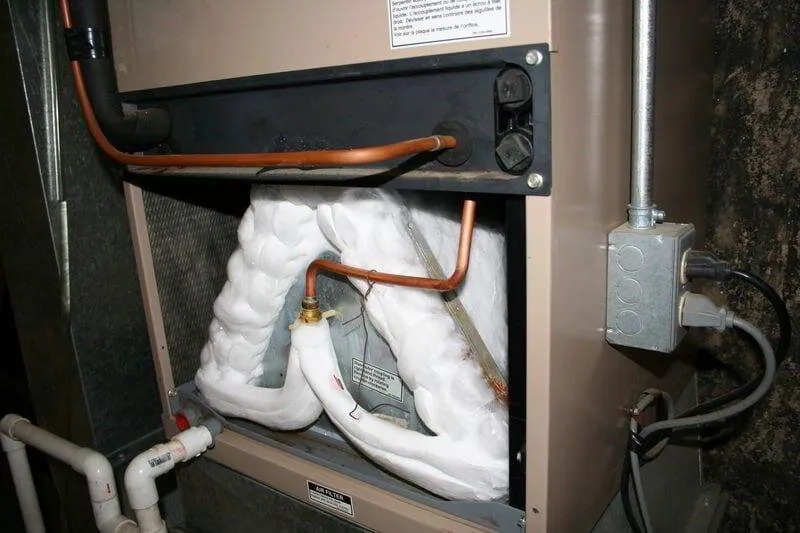
Image Source: content.app-sources.com
Grasping Why AC Coils Freeze
Let’s look at how your AC cools your home. It uses a special liquid called refrigerant. This liquid flows through coils. Inside your house, warm air blows over a coil called the evaporator coil. The refrigerant inside this coil soaks up heat from the air. As it takes in heat, the refrigerant changes from a liquid to a gas. This process makes the coil very cold, which cools the air blowing over it. This cool air then goes into your rooms.
Normally, the evaporator coil stays above freezing. But if something goes wrong, the coil can get too cold. When its temperature dips below 32°F (0°C), any moisture in the air hitting the coil turns into ice. This ice builds up and covers the coil.
Think of it like a cold drink on a hot day. Water forms on the outside of the glass because the air around it cools down. If that glass was super, super cold, like below freezing, that water would turn into ice on the glass. That is sort of what happens with your AC coil.
When ice covers the coil, it stops the coil from taking heat from the air. It also blocks airflow. This makes the AC work harder, use more energy, and not cool your house well. If you let it freeze often, it can cause serious damage.
Key Reasons for AC Freezing
Several things can cause your AC to freeze. Most of them relate to either not having enough of the cold stuff (refrigerant) or not having enough warm air flowing over the coil. Let’s look at the main culprits.
Low Refrigerant Level
The refrigerant in your AC system is like the blood in your body. It moves heat from one place to another. Your AC comes with a set amount of refrigerant. It should never need more unless there is a leak.
If the refrigerant level is low, there isn’t enough liquid flowing into the evaporator coil. This causes the pressure inside the coil to drop. When the pressure drops, the temperature where the refrigerant changes from liquid to gas also drops. If it drops too low, the coil gets cold enough to freeze.
Low AC refrigerant is almost always due to a leak. Refrigerant doesn’t get “used up” like gas in a car. If it’s low, it means it escaped somewhere. Finding these leaks needs special tools. This is called refrigerant leak detection.
- Why it causes freezing: Lower pressure means lower temperature in the coil.
- Signs: Warm air, ice on the coil or lines, bubbling or hissing noises, higher electric bills.
- Fix: A trained technician must find and fix the leak, then add the right amount of refrigerant. This needs a professional HVAC repair service. Trying to add refrigerant yourself is dangerous and illegal without proper training.
Restricted Airflow
Airflow is super important for your AC. Warm air blowing over the cold evaporator coil does two things: it cools the air for your home, and it warms the coil up just enough to keep it from freezing. If not enough warm air reaches the coil, the coil gets too cold and freezes.
Think of blowing on something cold. Your breath warms it up a bit. If you stop blowing, and the thing is really cold, it might get even colder. The air blowing over the coil is like your breath.
Here are common ways airflow gets restricted:
Dirty Air Filter
This is the number one reason for restricted airflow. Your air filter catches dust, dirt, and other junk in the air before it gets into your AC system. This keeps your system clean. But filters get full.
When an air filter gets clogged with dirt, air cannot pass through it easily. It’s like trying to breathe through a thick blanket. Less air reaches the evaporator coil. This causes the coil to get colder than it should.
A dirty air filter AC is a very common cause of freezing. Checking and changing your filter regularly is the simplest thing you can do to prevent freezing.
- Why it causes freezing: Blocks air from reaching the coil.
- Signs: Ice on the coil, weak airflow from vents, a dirty-looking filter.
- Fix: Change the air filter. Make sure you put the new filter in the right way (arrow points towards the air handler).
Blocked Vents or Ducts
The cool air from your AC travels through ducts to the vents in your rooms. If vents are closed or blocked by furniture or curtains, the cool air can’t get into the room easily. This can back up the system.
Closing too many vents, especially near the thermostat or near the air return grille, can mess up the airflow. It limits how much warm air comes back to the AC system to be cooled. This reduces the total amount of air moving through the system.
Ducts can also get blocked by debris or even pests. Leaky ducts can lose a lot of air before it reaches the vents, also reducing airflow.
- Why it causes freezing: Reduces the amount of air circulating through the system and over the coil.
- Signs: Some rooms are warm, weak airflow from vents, ice on the coil.
- Fix: Open all vents. Make sure they aren’t blocked. Check return air grilles too. Have ducts inspected if you suspect blockages or leaks.
Faulty Blower Fan
The blower fan is inside your indoor unit. Its job is to push air through the filter, over the evaporator coil, through the ducts, and out the vents. If the blower fan is not working right, it won’t move enough air.
A fan might run too slowly, or it might stop working altogether. This is a serious airflow restriction.
- Why it causes freezing: No air, or too little air, moves over the cold coil.
- Signs: No air coming from vents (or very weak air), the indoor unit sounds off or silent when it should be running, ice on the coil.
- Fix: This needs a professional HVAC repair service. The blower motor, capacitor, or control board might be faulty.
Dirty Evaporator Coil
The evaporator coil is where the magic happens (cooling the air). Over time, even with a filter, dust, dirt, and grime can build up on the coil itself. It’s a moist, cold surface, so it can attract gunk.
A dirty coil is like a blanket on the coil. It stops the coil from absorbing heat from the air well. It also makes it harder for air to flow over the coil.
When air hits a dirty, cold coil, the moisture in the air can get trapped by the dirt and freeze there. This layer of ice and grime gets thicker, making the problem worse. Cleaning the clean evaporator coil is an important maintenance step.
- Why it causes freezing: Reduces heat transfer and airflow over the coil.
- Signs: Ice on the coil, musty smells (dirt and moisture), reduced cooling, reduced airflow.
- Fix: The coil needs cleaning. Sometimes a home owner can use a special coil cleaner for light dirt, but heavy buildup often requires professional cleaning by an HVAC repair service.
Mechanical Issues
Less common but still possible are problems with the AC system itself.
- Faulty Metering Device: This part (like a TXV or capillary tube) controls how much liquid refrigerant enters the evaporator coil. If it lets too much in, or too little, it can mess up the temperature and pressure balance, leading to freezing.
- Low Outdoor Temperature: AC systems are made to work within certain outside temperature ranges. If the outside is too cold, the pressure in the system can drop, causing the indoor coil to freeze. Most ACs should not be run when it’s below 60°F to 65°F (15°C to 18°C) outside.
-
Issues with Sensors or Controls: Modern ACs have sensors that monitor temperature and pressure. If a sensor fails or the control board has a glitch, it might not manage the system correctly, which could lead to freezing.
-
Why it causes freezing: These issues disrupt the balance of refrigerant flow or temperature regulation.
- Signs: Often similar to low refrigerant or airflow issues, sometimes comes with error codes.
- Fix: Needs diagnosis and repair by a qualified HVAC technician.
How to Tell Your AC is Freezing
How do you know if your AC coil freezing is the problem? Look and listen for these signs:
- Ice on the Coils or Lines: The most obvious sign. Look at the large copper line (the suction line, usually insulated) going from the indoor unit outside. If you see ice on it, or if you open the indoor unit panel and see ice on the coil itself, your AC is frozen.
- Warm Air from Vents: Even though the AC is running, the air coming out feels warm or not as cold as it should be. The ice on the coil stops it from cooling the air.
- Reduced Airflow: Less air is blowing out of your vents than usual. The ice blocks the path of the air across the coil.
- Unit Running Constantly: The AC keeps running and running, trying to cool the house, but it can’t because of the ice. It might never reach the temperature set on your thermostat.
- Water Puddles: As the ice melts during the AC’s off cycle, you might see water near your indoor unit. This can be a sign of a problem, especially if your drain pan and drain line are clear.
If you notice any of these signs, especially ice, it’s time to act.
Taking Action: How to Thaw a Frozen AC Unit
Finding your AC frozen can be alarming, but don’t panic. The first step is always to thaw the ice safely. You must do this before you try to fix the cause, otherwise you could damage the system when it tries to run with ice on it.
Here is how to thaw a frozen AC unit:
- Turn Off the AC: This is the most important step. Go to your thermostat and switch the system from “Cool” to “Off”. Do not just turn the temperature up. You must stop the cooling cycle. If your thermostat has a “Fan” setting, you can move to the next step. If not, or if your indoor unit doesn’t have a separate fan switch, you might need to go to your breaker box and turn off the power switch for the indoor air handler unit (the furnace or air handler). This stops the compressor outside and allows the ice to melt.
- Turn On the Fan (if possible): If your thermostat has a “Fan” setting (usually “On” or “Auto”), switch it to “On”. This tells the indoor blower fan to run continuously, without the cooling system. The fan will blow warmer indoor air over the frozen coil. This speeds up the thawing process.
- Allow Time for Thawing: This can take a while, often several hours. Depending on how much ice has built up, it could take anywhere from 2 to 24 hours. Be patient. The ice must melt completely. You can check the coil or suction line periodically to see how the melting is going.
- Keep the Outdoor Unit Clear: While the indoor unit is thawing, make sure the outdoor unit (the condenser) isn’t covered in ice or debris. It won’t be running during the thaw, but it’s a good time to check it.
- Manage Melted Water: As the ice melts, water will collect in the drain pan under your indoor coil. This water should go down the drain line and usually outdoors or to a floor drain. Check that this drain line isn’t clogged. If it is, water could overflow. You might need to use towels or a wet-dry vacuum to deal with excess water.
- Address the Cause After Thawing: Once all the ice is gone, you need to figure out why it froze. Do not just turn the AC back on cool mode without checking the common causes. Running it again without fixing the problem will likely cause it to freeze again quickly, and repeated freezing can cause permanent damage to the compressor or other parts.
By following these steps, you can safely thaw your unit. The next part is fixing the root problem to avoid future freezing.
Preventing Air Conditioner From Freezing
Stopping your air conditioner from freezing up is much better than dealing with a frozen system. Most steps for preventing air conditioner from freezing involve simple maintenance and paying attention to your system.
Regular Maintenance is Key
The best way to prevent AC problems, including freezing, is to have your system checked regularly by a professional. An HVAC repair service technician can spot small issues before they become big problems.
- What they do: They clean coils (especially the outdoor one, and sometimes the indoor one professionally), check refrigerant levels (using special tools, not just adding more), look for leaks, check airflow, inspect electrical parts, and make sure the system is running efficiently and safely.
- How often: Most experts recommend a check-up once a year, usually in the spring before the cooling season starts.
Simple Steps You Can Take
While professional tune-ups are important, there are many things you can do yourself to help prevent freezing.
Change Your Air Filter Often
This is the single most important maintenance task for homeowners. A dirty air filter AC is the easiest way to cause restricted airflow.
- How often: Check your filter every month, especially during cooling season. Hold it up to the light. If you can’t see light through it, change it. Some filters need changing every 1-3 months, others last longer (like 6-12 months for high-efficiency filters), but checking monthly is a good habit.
- Type of filter: Make sure you use the correct size filter for your system. Using a filter that is too restrictive (like a very high MERV rating) without your system being designed for it can also reduce airflow. Check your AC manual for the recommended MERV range.
Keep Vents Open and Clear
Do not close vents in rooms, especially not many of them. This limits airflow back to the air handler. Make sure furniture, curtains, or rugs are not blocking any supply vents or return air grilles.
- Why it helps: Ensures proper air circulation and heat transfer.
Check for Coil Cleanliness
While deep cleaning the clean evaporator coil is a job for pros, you can often look at the coil (located in your indoor air handler unit) to see if it looks very dirty. You might need a flashlight. If it has a noticeable layer of grime, it might be causing problems.
- What to look for: Dust, pet hair, mold, or a generally dirty appearance.
- Light cleaning: For light surface dust, sometimes a soft brush or vacuum attachment can help (with the power off!). However, avoid touching the delicate fins too much. If it looks really dirty, call a professional.
Listen to Your System
Your AC unit makes certain sounds when it’s running normally. Pay attention to unusual noises.
- What to listen for: Hissing or bubbling (could be refrigerant leaks – refrigerant leak detection is needed!), loud banging (blower fan issue), or squealing (belt or motor bearing).
- Why it helps: Strange sounds can be early warnings of problems that could lead to freezing, like low refrigerant or a failing blower fan.
Addressing Potential Issues Quickly
If you suspect a problem, don’t wait.
Spotting Low Refrigerant Signs
If you notice warm air, ice, or hear strange noises, it might mean you have low AC refrigerant.
- What to do: Turn off the AC immediately (to prevent freezing or damage) and call an HVAC repair service. Do not try to add refrigerant yourself. It requires special tools and knowledge to find the leak and add the correct amount.
What to Do During AC Troubleshooting Steps
If your AC isn’t working right (e.g., not cooling well), here are some basic AC troubleshooting steps you can take before calling a pro:
- Check the thermostat: Is it set to “Cool” and at a temperature lower than the room temperature? Are the batteries good?
- Check the air filter: Is it clean?
- Check the power: Are the circuit breakers for the indoor and outdoor units on?
- Check vents: Are they open and not blocked?
- Check the outdoor unit: Is it free of debris (leaves, grass clippings)? Is anything blocking the airflow around it?
- Listen: Do you hear the outdoor unit running? Do you hear the indoor fan running?
If these simple checks don’t fix the problem, or if you see ice, it’s time to call a professional.
When to Call the Pros
While some maintenance is DIY-friendly, many AC issues need expert help. You should definitely call an HVAC repair service if:
- You see ice on your coil or refrigerant lines, and changing the filter didn’t solve it.
- You suspect low AC refrigerant (warm air, high bills, hissing/bubbling sounds). Refrigerant leak detection requires professional tools and training.
- Your blower fan isn’t working correctly (no airflow, strange noises). This indicates restricted airflow AC due to a mechanical failure.
- Your evaporator coil is heavily caked with dirt that simple brushing can’t remove. A professional clean evaporator coil service might be needed.
- The problem is recurring. If your AC freezes often, there’s an underlying issue that needs professional diagnosis.
- You’ve gone through basic AC troubleshooting steps and the problem remains.
- You hear loud or unusual noises from the unit.
- You smell strange odors (like burning or musty smells that don’t go away after changing the filter).
Trying to fix complex AC problems yourself can be dangerous (electricity, high-pressure refrigerant) and can cause more damage to the system. Professionals have the knowledge, tools, and certifications to fix these issues safely and effectively.
A Word on DIY vs. Professional Help
It’s great to be proactive with your AC maintenance. Changing filters, keeping vents clear, and cleaning around the outdoor unit are perfect DIY tasks. These go a long way in preventing air conditioner from freezing.
However, anything involving opening the refrigerant system, adding refrigerant, diagnosing electrical problems beyond checking breakers, or dealing with major mechanical parts requires a trained technician. Refrigerant is a chemical that needs to be handled properly for both environmental reasons and system performance. Messing with refrigerant or complex wiring can lead to serious injury or expensive damage.
Think of it this way: you change the oil in your car, but you probably don’t rebuild the engine. Do the easy, important maintenance yourself, and leave the complex stuff to the pros.
Table: Common Causes & Solutions for Freezing
| Cause | How it Leads to Freezing | Signs | What You Can Do (DIY) | When to Call a Pro (HVAC Repair Service) |
|---|---|---|---|---|
| Dirty Air Filter | Restricts airflow over coil, coil gets too cold. | Ice on coil/lines, weak airflow, visible dirt on filter. | Check/Change filter monthly. | If changing filter doesn’t fix it. |
| Blocked Vents/Ducts | Reduces total airflow through system. | Ice on coil/lines, weak airflow, some rooms warm, vents are closed/blocked. | Open all vents, clear blockages. | If ducts are blocked or leaky. |
| Faulty Blower Fan | Moves too little or no air over coil. | No airflow, unit sounds off/wrong, ice on coil. | Check if fan is on (thermostat/switch). | Always call a pro. |
| Low AC Refrigerant | Low pressure in coil, temperature drops too low. | Ice on coil/lines, warm air, hissing/bubbling, higher bills. | NONE (Do not add refrigerant). | Always call a pro (needs leak detection). |
| Dirty Evaporator Coil | Reduces heat transfer and airflow. | Ice on coil, musty smell, reduced cooling/airflow. | Visual check, light surface clean (careful!). | For heavy dirt/mold (clean evaporator coil). |
| Mechanical Issues | Problems with metering device, sensors, controls. | Often similar to other signs, sometimes error codes. | Basic AC troubleshooting steps. | Always call a pro for diagnosis. |
| Low Outdoor Temp | System not designed to run below a certain temp (often 60-65°F). | Ice on coil (when running in cold weather). | Avoid running AC in cold weather. | If you think system is malfunctioning in normal temps. |
FAQ: Your Frozen AC Questions Answered
Q: How long should I leave my AC off to thaw?
A: It depends on how much ice there is. It can take anywhere from 2 to 24 hours. Turn the system off completely (or just the cooling and run the fan) and be patient. Check periodically, but don’t turn it back to cool until ALL the ice is gone.
Q: Can I pour hot water on my frozen AC coil to thaw it faster?
A: NO! Absolutely do not do this. Pouring water can cause electrical shorts and serious damage to the unit, especially the delicate fins on the coil. It’s safer and better for the AC to let it thaw naturally with the fan running.
Q: My air filter isn’t that dirty. Could it still cause freezing?
A: Yes. Even a moderately dirty filter restricts airflow. Combine that with slightly low refrigerant or another minor issue, and it can be enough to cause freezing. Changing the filter is cheap and easy; it’s always the first thing to check.
Q: Will my AC be okay after it thaws?
A: It will likely work again after thawing, but if you don’t fix why it froze, it will just freeze up again. Repeated freezing can permanently damage the compressor, which is very expensive to replace. Always address the underlying cause after thawing.
Q: How often should I get my AC checked to prevent freezing?
A: Get a professional tune-up by an HVAC repair service once a year, ideally before the cooling season starts. This allows them to check refrigerant levels, clean coils, and look for issues that could cause freezing or other problems.
Q: My outdoor unit is frozen, not the indoor one. Is that the same problem?
A: A frozen outdoor unit (the condenser) is usually a different issue, often related to defrost cycle problems in a heat pump during heating mode in winter, or sometimes related to severe overcharging or airflow issues through the outdoor unit in cooling mode. A frozen indoor coil during cooling mode is much more common and is usually due to low refrigerant or restricted airflow indoors. In any case, ice is bad and needs professional diagnosis.
Wrapping Up
A frozen AC is a clear sign that something is wrong. Ignoring it won’t make it go away and can lead to expensive repairs. Most often, the cause is simple: a dirty air filter AC or low AC refrigerant from a leak needing refrigerant leak detection.
Knowing why AC coil freezing happens helps you spot the signs early. Remember the steps: thaw the unit safely (how to thaw a frozen AC unit) and then find and fix the cause. Regular maintenance, like changing your filter and having professional check-ups (HVAC repair service), is the best defense for preventing air conditioner from freezing. Don’t underestimate the power of clean components and unrestricted airflow (restricted airflow AC).
By being proactive and addressing issues promptly using basic AC troubleshooting steps or calling in the experts when needed (especially for things like needing a clean evaporator coil or suspecting a leak), you can keep your AC running smoothly, efficiently, and ice-free for years to come.